Can You See A Tango Show In Buenos Aires For Free?
Yes for street tango and community milongas, no for staged dinner shows. Here is exactly what is free, what costs money, and where each option happens in Buenos Aires.
In Short
Yes, but not the dinner-theatre version. Street tango on Caminito and the Sunday Patio de Tango on Plaza Dorrego are free to watch, and community milongas such as La Glorieta in Barrancas de Belgrano run a la gorra, meaning you pay what you want. Staged shows with a stage, a menu and a microphone are always ticketed. The [free tango guide](/guides/free-tango-in-buenos-aires/) covers every free option in depth.
This question sits inside the Free Tango In Buenos Aires guide.
Quick Facts
| Question | Answer |
|---|---|
| Can you see tango for free? | Yes: street tango and community milongas, free to watch or join, tips expected |
| What is free | Patio de Tango on Plaza Dorrego, Caminito street tango, La Glorieta milonga (a la gorra) |
| What costs money | Staged dinner shows, milonga classes, Festival y Mundial de Tango finals with reservation |
| When | Patio de Tango every Sunday; La Glorieta on Sundays; festival events cluster in the southern winter |
| Where | Plaza Dorrego in San Telmo, Caminito in La Boca, Barrancas de Belgrano |
| Nearest free walk platform | GuruWalk and freetour.com, both pay what you want |
Can You See A Tango Show In Buenos Aires For Free?
The honest answer is yes for the street and community version of tango and no for the staged show. Dancers perform outdoors on Plaza Dorrego and Caminito at no charge to watch, and the open air milonga at Barrancas de Belgrano runs on voluntary contributions. Anything sold as a show, with seating, a stage and a dinner menu, is a commercial production and always carries a ticket price.
That split is the whole decision, and it matters because the word "show" gets used loosely in this city. A couple dancing on the cobblestones of San Telmo with a hat out for tips is a performance you can stand and watch for an hour without spending a peso. A teatro production with a bandoneon orchestra and sequinned costumes is a business, and no verified free ticket exists for those.
The free side of tango in Buenos Aires is genuinely free, with one soft expectation. Outdoor performers work for tips, and the community milongas are described as a la gorra, an Argentine phrase meaning voluntary payment. Nobody charges you an entrance fee, nobody turns you away, and the dancers depend on what the crowd drops in the hat or the box. A free walk meets in this neighbourhood: La Boca Free Walking Tour.
The paid side is not a scam or a tourist trap in disguise, it is simply a different product. Staged tango shows are professional theatre. The city also hosts two annual tango events where the line blurs, the Festival y Mundial de Tango, whose open activities are free while the semifinals, finals and ticketed shows need a reservation through the official tango body at tangoba.org, and the August-only Semana de las Milongas, where some activities are free with booking.
For orientation, Free Things To Do In Buenos Aires keeps the whole free side of the city in one place, and the barrio-by-barrio free walks there, all pay what you want, are a good way to arrive at the free tango spots with a local guide explaining what you are looking at.
What Does The Free Part Include?
Free tango in Buenos Aires means three verified things: the Sunday Patio de Tango on Plaza Dorrego, street tango on Caminito in La Boca, and the Sunday community milonga at La Glorieta in Barrancas de Belgrano, plus the free activities of the annual festival and milonga week. All of them are free to watch, tips are how the performers earn, and none of them requires a ticket, a reservation or a minimum spend.
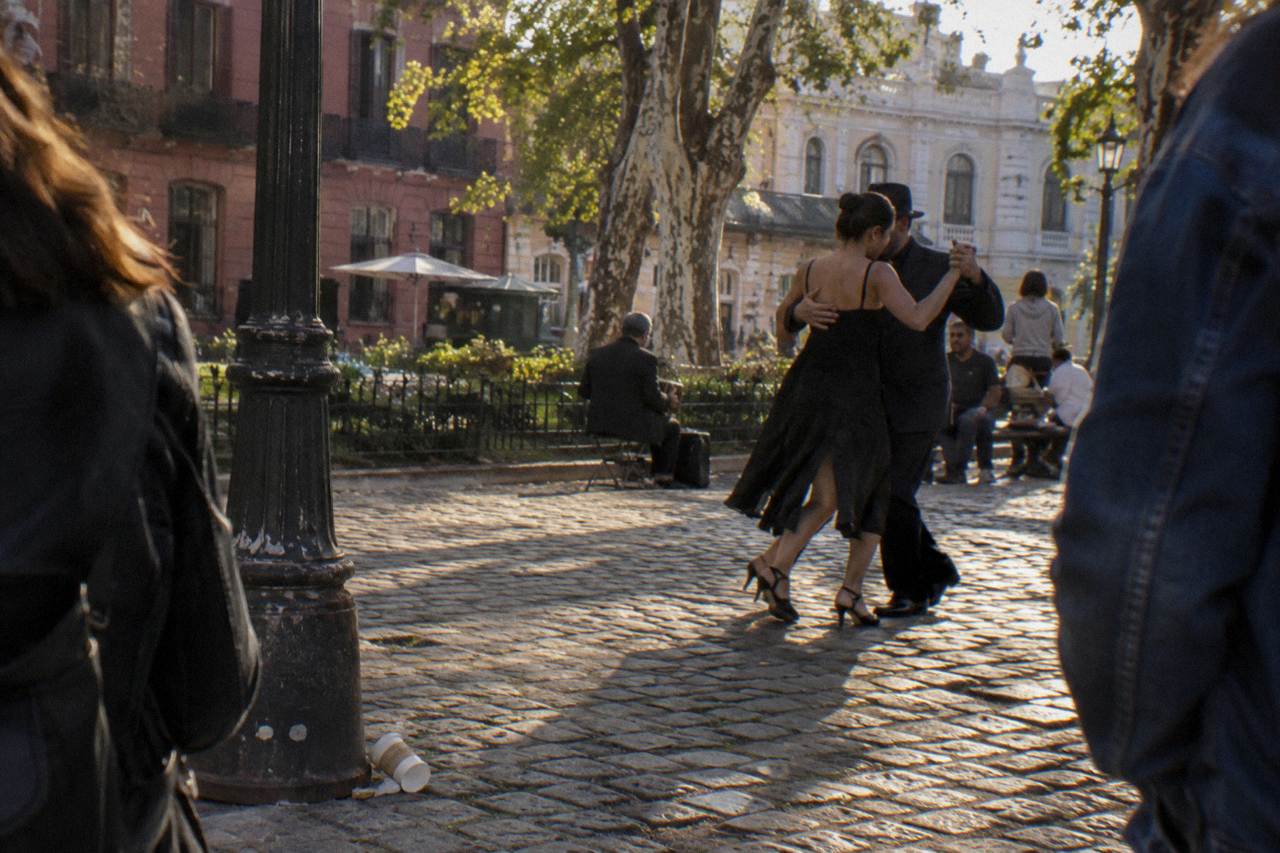
The Patio de Tango on Plaza Dorrego is confirmed by the city tourism authority as happening every Sunday on that San Telmo square. It is free to watch, and the performers take tips. No times are published, so the workable plan is to treat Sunday in San Telmo as a tango afternoon rather than a timed appointment, and let the San Telmo market and Sunday fair fill the hours around it.
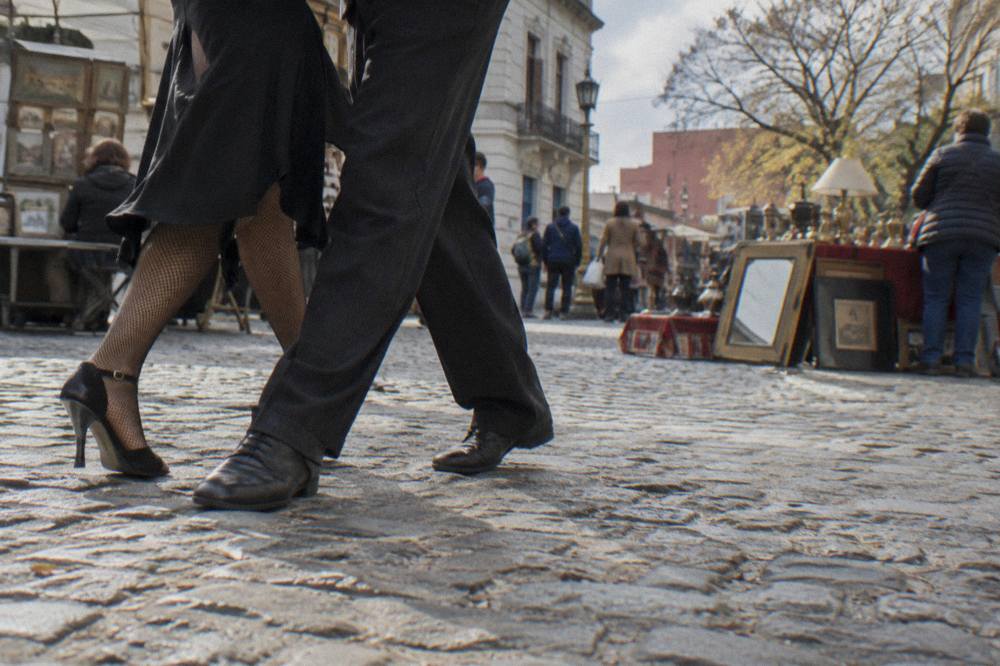
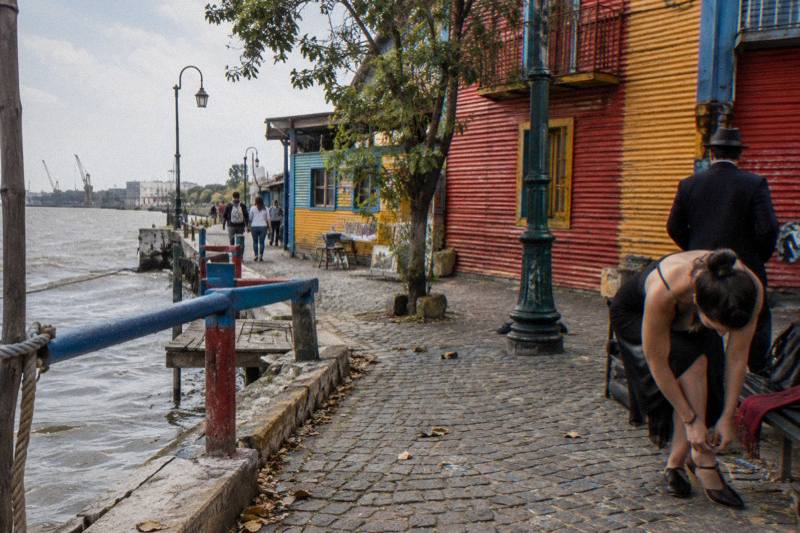
Caminito street tango works differently. In the colourful open air museum of La Boca, couples dance where the tourists gather, free to watch, with tips in the hat and paid photos if you want to pose with them. It is tango as a street craft rather than a stage production, and the whole Caminito strip itself is free to walk, as the La Boca and Caminito guide lays out.
La Glorieta at Barrancas de Belgrano is the community version. The milonga there is a la gorra, meaning voluntary contributions rather than a cover charge, and the city page confirms Sundays for tango and folklore. It is free to watch or to dance, while the classes that run alongside it are paid.
The best single walk for the La Boca side of this is the Tango, Art, Football Walk, a pay what you want GuruWalk walk in La Boca, the barrio where tango took its working-class shape. It runs 2 hours 30 minutes in English, Spanish and French, rated 4.81 out of 5 across 1,469 GuruWalk reviews.
A couple of practical notes keep expectations honest. Outdoor tango is weather dependent, none of it happens to a published timetable, and the amount you give is entirely your call. The free part of tango is not a lesser version of the paid show, it is the form of tango that grew up in these barrios in the first place.
| Free option | Where | When | Cost to watch |
|---|---|---|---|
| Patio de Tango | Plaza Dorrego, San Telmo | Every Sunday | Free, tips expected |
| Street tango | Caminito, La Boca | Street performers, no set schedule | Free, tips and paid photos |
| La Glorieta milonga | Barrancas de Belgrano | Sundays | A la gorra (pay what you want) |
| Festival y Mundial open activities | Citywide | Annual, typically August or September | Free, some need reservation |
| Semana de las Milongas | Participating milongas | August only | Some activities free with booking |
What Do You Still Have To Pay For?
Everything with a stage, a seat and a sound system: staged dinner shows, milonga classes, the ticketed finals of the Festival y Mundial de Tango, and any reserved seating during Semana de las Milongas. No free or discounted ticket to a commercial tango show exists in official sources, and any offer promising one should be treated with suspicion.
Free to do
- Walk guiding (tip only)
- Plazas and street art
- Outside views of landmarks
Paid separately
- Food on food walks
- Show tickets
- Museums that charge
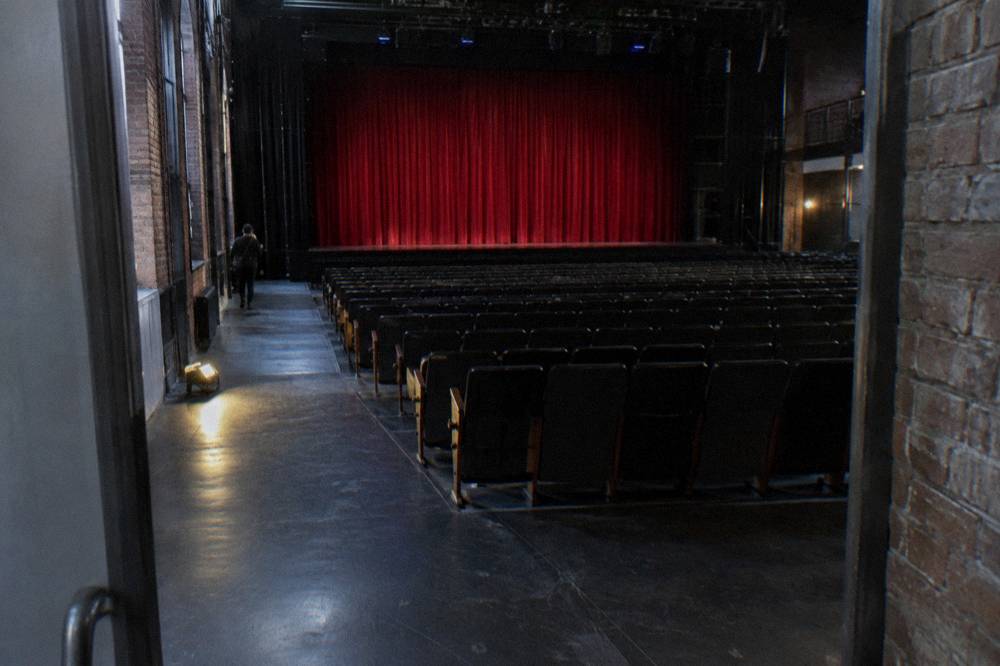
The clearest paid item is the staged show itself. These are theatre productions with professional dancers, orchestras and dinner service, sold as ticketed evenings. They are a legitimate product and many visitors love them, but they sit entirely on the paid side of the line, and no listing shows a free route into one.
Classes at the community milongas are the second paid item. Watching or joining the dance at La Glorieta costs what you choose to give, but the instruction around it is a paid service, and the distinction is worth knowing before you arrive.
Third, the festival line blurs in a specific way. The Festival y Mundial de Tango makes its open activities free, but the semifinals, finals and shows need a reservation through the official tango body, and those ticketed elements are the competitive heart of the event. Semana de las Milongas in August works similarly, with some free activities available only with booking.
If your heart is set on the theatre version, budget for it as you would for any show. If what you actually want is to see tango danced well in the places it came from, the free side delivers that, and a guided walk through the tango barrios costs nothing but the tip you choose to leave.
When Is The Free Option Available?
Sunday is the anchor day: the Patio de Tango runs every Sunday on Plaza Dorrego and La Glorieta holds its tango and folklore session on Sundays at Barrancas de Belgrano. Caminito street tango has no confirmed schedule, and the two big annual events cluster in the southern winter, with the Festival y Mundial de Tango typically falling in August or September and Semana de las Milongas in August only.
That makes the weekly rhythm simple. Sunday belongs to San Telmo and Barrancas de Belgrano, and a Sunday built around the fair, the market and the Patio de Tango is the closest thing Buenos Aires has to a guaranteed free tango day.
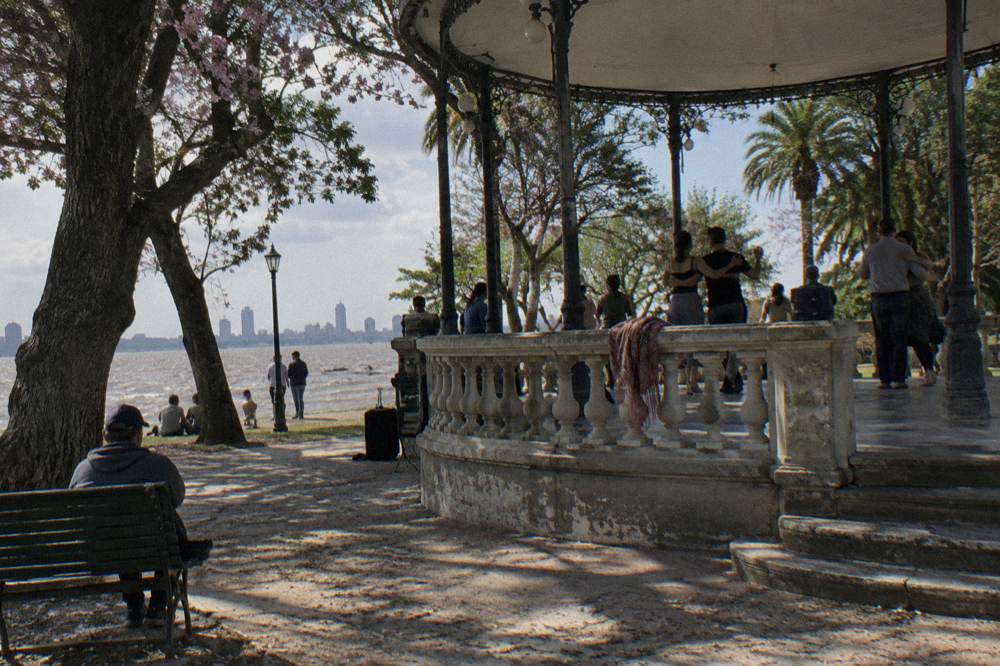
No times are published for the weekly events, and the schedule at La Glorieta is set by the community organisers and can change, so a specific hour cannot honestly be promised here. What can be said is the day, and that showing up with the whole afternoon free is the reliable approach.
The annual events follow the calendar rather than the week. The Festival y Mundial de Tango is the city's flagship tango event, its open activities free and its finals reserved, and the 2026 edition had already ended by late August, so anyone planning around it should check the current programme rather than assume a date. Semana de las Milongas runs in August only, with some free activities requiring booking.
Weather shapes all of the outdoor options. Open air tango in a plaza depends on the evening being dry, and the community milongas move with the seasons, so a flexible plan beats a fixed timetable.
Where Does The Free Visit Start?
The free tango map has three anchors: Plaza Dorrego in San Telmo for the Sunday Patio de Tango, Caminito in La Boca for street tango, and the Barrancas de Belgrano park for the La Glorieta milonga. The festival events are citywide, and each of the weekly spots sits inside a barrio that rewards walking around before the dancing starts.
GuruWalk
Most walks here, run by independent guides
Pay what you want
freetour.com
A smaller set, mostly Spanish-led
Pay what you want
Plaza Dorrego is the heart of old San Telmo, a short cobblestone square ringed by cafes, and on Sundays it shares the neighbourhood with the Feria de San Pedro Telmo. Caminito is the pedestrian strip of painted tin houses in La Boca, and the street performers work along it. Barrancas de Belgrano is a park in the north of the city, a different world from the southern barrios and worth the trip on a Sunday for the milonga alone.
The walks that reach these places are themselves free. For San Telmo, the San Telmo Essentials in English walk by guide Magdalena on GuruWalk runs 2 hours in English, rated 4.87 out of 5 across 209 GuruWalk reviews, meeting at Mercado de San Telmo, Adolfo Alsina 400. It is pay what you want, like everything on GuruWalk here.
There is also a Spanish-language San Telmo walk listed on freetour.com, the San Telmo Market Walk, rated 9.6 out of 10 across 10,059 reviews shown on its freetour.com listing, meeting at Iglesia de San Ignacio, Bolívar 225. Between GuruWalk and freetour.com, both platforms name their price as pay what you want, and the choice is mostly language and meeting point.
Routes vary by guide, and each walk's page on GuruWalk or freetour.com shows the meeting point, so the honest framing is that these are walks in the tango barrios, not guaranteed visits to any particular stage. The meeting points are listed on each walk's own page, and that is where the free visit starts.
Which Free Walking Tours Cover This?
Several pay what you want walks put a guide beside the tango story: the Tango, Art, Football Walk in La Boca on GuruWalk, the San Telmo Essentials walk in English, and the freetour.com walks in San Telmo and La Boca that run in Spanish. None of them is a show or a substitute for one, they are barrio walks whose themes run through tango.
The La Boca leader is the Tango, Art, Football Walk by guide Almafuerte on GuruWalk, 2 hours 30 minutes in English, Spanish and French, rated 4.81 out of 5 across 1,469 GuruWalk reviews, meeting at Av. Martín García 270 by Parque Lezama. La Boca is the barrio in its title, and tango, art and football are its three threads.
For a Spanish-language La Boca option there is the La Boca Free Walking Tour listed on freetour.com, rated 9.4 out of 10 across 10,096 reviews shown on its freetour.com listing, meeting at Caminito and Magallanes. Freetour.com rates out of 10 rather than out of 5, so those figures cannot be lined up against the GuruWalk star ratings, and the review counts on its listings aggregate other sources.
Downtown, the walks that touch the theatres and the Avenida de Mayo story give the other half of the tango picture, the grand-city half rather than the barrio half. The full list of 55 free walks in the directory, across GuruWalk and freetour.com, is laid out in the free walking tours guide, with meeting points, languages and durations for each.
One caution keeps this honest: a walk themed on tango is a walk, not a performance. What you get is a guide explaining the barrios, the history and the culture around the dance, and the free performances themselves you watch on your own time at Plaza Dorrego, Caminito or La Glorieta.
Mistakes That Trip People Up At Free Tango In Buenos Aires
The recurring mistakes are assuming the word free covers staged shows, expecting a timetable that does not exist, arriving on the wrong day for the Sunday events, and treating a tip-optional street performance as a zero-cost obligation. Each of these comes from the same confusion between the community side of tango and the commercial one.
The first mistake is booking a dinner show believing it is the free thing. No free ticket to a commercial tango show exists in official sources. The second is treating MALBA-style free days, or any museum free day, as a tango opportunity, which is a category error, the free tango list here is the five items in this article, nothing more.
The third is the calendar mistake. The Patio de Tango and La Glorieta both run on Sundays, and turning up on a Wednesday expecting either is the classic wasted trip. Caminito performers keep their own hours, and the festival lands in the southern winter, so August and September are the months to plan around if the Mundial matters to you.
The fourth is the tip mistake, in both directions. Outdoor performers work for tips, and a la gorra means voluntary payment, not free in the sense of costless to the people dancing. Bring small notes, and treat the contribution as the price of the best free show in the city.
The fifth is expecting hours. No published times exist for the Patio de Tango, the Caminito performers or La Glorieta, and organisers change their schedules. The day is verifiable, the hour is not, and a plan built around a whole afternoon survives that reality.
Common Questions On This Topic
Can You See A Tango Show In Buenos Aires For Free?
Yes, for street and community tango: the Sunday Patio de Tango on Plaza Dorrego, street tango on Caminito and the Sunday a la gorra milonga at La Glorieta in Barrancas de Belgrano are all free to watch, with tips expected. Staged dinner shows with a stage and a menu are ticketed commercial productions and have no free version.
Where can I watch tango for free in Buenos Aires?
Three verified spots: Plaza Dorrego in San Telmo, where the city confirms a Patio de Tango every Sunday; Caminito in La Boca, where street couples dance for tips; and the Barrancas de Belgrano park, where the La Glorieta milonga runs on Sundays on a pay what you want basis. The annual festival's open activities are also free.
Is Caminito free to visit?
Caminito itself is a free open air street to walk, and the tango danced along it is free to watch, with tips in the hat and paid photos if you want one. The museum and the stadium experience in La Boca are paid and separate, so the free visit and the paid ones sit side by side in the same barrio.
What time does the free tango start on Plaza Dorrego?
No start time is published for the Patio de Tango, so a specific hour cannot honestly be given. What is confirmed is the day, Sunday, on Plaza Dorrego in San Telmo. Plan the whole afternoon around the square and the Sunday fair, and the tango will find you rather than the reverse.
Do I have to tip at a free tango performance?
There is no obligation and no set amount, but outdoor performers and the a la gorra milonga organisers depend on voluntary contributions, so a tip is the honest way to watch. Bring small notes. The classes run alongside the community milongas are a separate paid service, distinct from watching or dancing.
Can a free walking tour replace a tango show?
No, and it does not try to. The pay what you want tango-themed walks, such as the 4.81 out of 5 Tango, Art, Football Walk on GuruWalk, are guided barrio walks that explain the culture around the dance. They are not performances, but they do deliver you to the barrios where the free performances happen, and they cost only what you choose to tip.