Is Buenos Aires Expensive For Tourists?
A cost breakdown of Buenos Aires for tourists built around what genuinely costs nothing, what foreign visitors pay, and how free pay-what-you-want walking tours stretch a budget.
In Short
Buenos Aires is not expensive for tourists who plan around its free layer. Plaza de Mayo, the national museums, the Reserva Ecológica Costanera Sur and the Bosques de Palermo cost nothing for anyone. The real costs sit elsewhere: foreign visitors now pay at the Cementerio de la Recoleta, MALBA, Teatro Colón and the Jardín Japonés, while free walking tours across the city run on a pay-what-you-want basis.
This question sits inside the Buenos Aires On A Budget guide.
Quick Facts
| Question | Answer |
|---|---|
| What costs nothing for everyone | Plaza de Mayo, Caminito, national museums, Reserva Ecológica Costanera Sur, Bosques de Palermo |
| What is free for Argentine residents with DNI only | Cementerio de la Recoleta entry, city museums on Wednesday |
| What foreign visitors pay for | Recoleta cemetery entry, MALBA except Wednesday discount, Teatro Colón tours, Jardín Japonés |
| Walking tour model | Free to join, pay what you want at the end |
| Walks shipped on this site | 55 free tours across the city's barrios |
| Closing days to plan around | Monday for Cabildo, Reserva Ecológica, Jardín Botánico; Tuesday for MALBA, MAMBA and city museums |
Is Buenos Aires Expensive For Tourists?
No, not if the trip is built around the city's free layer, but the honest answer has a split in it. Buenos Aires charges foreign visitors at several marquee attractions that residents enter free or cheap. Everything outdoors that defines the postcard, from Plaza de Mayo to Caminito to the Reserva Ecológica Costanera Sur, costs nothing for anyone.
The word "expensive" also depends on which Buenos Aires you mean. The museum-and-landmark Buenos Aires has a two-tier price structure that the city formalised in recent years: Argentine residents with DNI pay one rate, foreign visitors pay another, and the gap is wide. MAMBA, the modern art museum in San Telmo, charges foreign visitors ARS 16,000 while residents pay ARS 5,000. Teatro Colón's guided tours run ARS 37,000 general, ARS 18,000 for residents and ARS 8,000 for resident retirees and students. Those figures, published on the official pages, are the current prices in November 2026, and they move often.
The second Buenos Aires, the one made of plazas, markets, cemeteries-from-outside, parks and riverfront, is free by design and free for everyone, no DNI required. Plaza de Mayo, the Obelisco, Puerto Madero and the Puente de la Mujer, Galerías Pacífico and El Ateneo Grand Splendid as walk-throughs, the Feria de San Pedro Telmo, the Feria de Mataderos and every major park in Palermo sit in this tier. A visitor could spend three full days in this tier and pay nothing but transport and food.
The third layer is the free walking tour economy, and it is the piece most first-time visitors underestimate. The city has 55 free walks across this directory, each operating on the pay-what-you-want model: you reserve, you walk, and at the end you tip the guide what the walk was worth to you. The biggest of them, the Free Tour of Buenos Aires: Heart of the City by Vive Buenos Aires, runs 3 hours from the Biblioteca del Congreso and carries a 4.84 out of 5 rating across 1,332 GuruWalk reviews. None of these walks has a ticket price, so the cost of a guided introduction to the city is entirely a tipping decision.
Put the three layers together and the budget picture looks like this: the expensive version of Buenos Aires is the one that buys every museum ticket, a Teatro Colón tour and a Jardín Japonés entry in the same week. The cheap version walks Plaza de Mayo in the morning, a national museum in the afternoon, joins a pay-what-you-want walk and watches the sunset over the Reserva Ecológica, and spends almost nothing on sightseeing. Both versions see the same city.
One practical note on framing: this article covers attractions and walks only. It does not price hotels, meals, taxis or transport, because the site's scope is free things. For the attraction-side arithmetic, read the two regimes below, then decide which paid doors matter to you.
Which Free Things Cost Nothing In Buenos Aires?
The genuinely free list needs no conditions: Plaza de Mayo, the Pirámide de Mayo, the Catedral Metropolitana, the Obelisco from outside, Caminito, Puerto Madero and the Puente de la Mujer, the national museums including the Museo Nacional de Bellas Artes, the Reserva Ecológica Costanera Sur, the Bosques de Palermo, the Jardín Botánico Carlos Thays, the Feria de San Pedro Telmo and the Feria de Mataderos. Every one costs nothing for any visitor.
Start with the outdoor icons, because they are the spine of a free itinerary. Plaza de Mayo is an open public square, free to walk at any hour, and it holds the Casa Rosada, the Cabildo and the Catedral Metropolitana around one plaza. The Obelisco is free to see from the outside, and no mirador entry was found, so the street view is the whole experience. Puerto Madero's waterfront and the Puente de la Mujer are public space. In La Boca, Caminito is free to walk while the Boca museum and the stadium experience beside it are paid: two facts in one sentence, and the second only matters if you walk through the door.
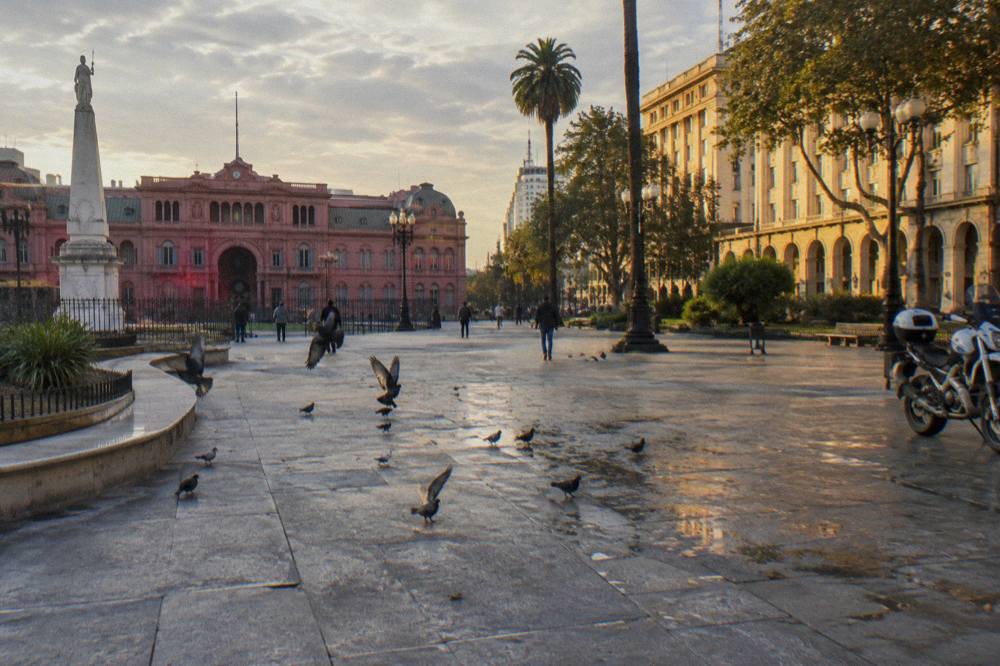
The national museums are the quiet bargain of the trip. The Museo Nacional de Bellas Artes, the Museo Nacional del Cabildo, the Museo Nacional de Arte Decorativo, the Museo Histórico Nacional and the Museo Casa Rosada are free for all, per official sources, and they open Wednesday to Sunday. The Museo Casa Rosada, the museum behind the palace, runs Wednesday to Sunday 11:00 to 18:00. Note the distinction: the free thing is the museum, not the palace interior, which is for institutions and whose individual-visit status is contested between sources, so no promise of walking into the Casa Rosada itself belongs in a plan.
The green list is just as free. The Reserva Ecológica Costanera Sur costs nothing and, in the November to March summer schedule, opens 8:00 to 19:00, Tuesday to Sunday and holidays, closing Mondays. The Bosques de Palermo, its lakes and the Rosedal cost nothing, while the paddle boats on the lakes are paid. The Jardín Botánico Carlos Thays is free and closes Mondays. The Jardín Japonés next door is not on this list: it charges ARS 24,000 for non-residents and ARS 8,000 for residents, so budget for it or skip it knowingly.
Then there are the fairs. The Feria de San Pedro Telmo fills Plaza Dorrego on Sundays, free to browse. The Feria de Mataderos, further out, is free entry per its official page. On Plaza Dorrego the city also runs a Patio de Tango every Sunday, free to watch while performers take tips, which answers the tango question cheaply: you can watch open-air tango for nothing, and the paid show is a separate purchase. The open-air milonga at La Glorieta in the Barrancas de Belgrano runs on Sundays too, a la gorra, run by community organisers rather than the city, so check the organisers' pages before going.
What Do You Still Have To Pay For?
The paid list for tourists is specific: Teatro Colón guided tours (ARS 37,000 general), MALBA outside its Wednesday half-price day (ARS 14,000), MAMBA outside Wednesday and the last Sunday (ARS 16,000 for foreign visitors), the Jardín Japonés (ARS 24,000 non-residents), Cementerio de la Recoleta entry for foreign visitors through Entradas BA with no official figure published, Palacio Barolo, Café Tortoni, the Boca museum and stadium experience, and the Tigre delta boats.
Free to do
- Walk guiding (tip only)
- Plazas and street art
- Outside views of landmarks
Paid separately
- Food on food walks
- Show tickets
- Museums that charge
The Wednesday rules deserve their own arithmetic, because they are the cheapest legal way into the paid museums. MALBA on Wednesday is half price, never free for general visitors: ARS 7,000 general instead of ARS 14,000, the same rate for tourists and residents, and only students, teachers and retirees enter free, and only on Wednesday. MAMBA is free on Wednesday and on the last Sunday of the month for all visitors. PROA in La Boca is free on Wednesday for all, and ARS 7,000 Thursday to Sunday, open Wednesday to Sunday only. The city museums, a group that includes the Museo de la Ciudad, Casa Museo Carlos Gardel, Museo Quinquela Martín, Museo Sivori, Museo Larreta, Museo Fernández Blanco and Museo del Cine, are free on Wednesday for Argentine residents with DNI only; tourists pay, and the Museo de la Ciudad's fetched figures, ARS 10,000 for tourists and ARS 2,000 for residents, show the size of that gap.
Teatro Colón is straight paid: guided tours at ARS 37,000 general, ARS 18,000 residents, ARS 8,000 resident retirees and students, and never called free, and no free walking walk goes inside it. The Jardín Japonés figures are above. Palacio Barolo is paid, on a medium-confidence source with no figure published. Café Tortoni is a paid café, a business rather than an attraction. Museo Xul Solar is paid. The Museo de la Pasión Boquense and the stadium experience in La Boca are paid, sitting right next to the free Caminito: free outside, paid inside, always two facts.
Tigre, the delta day trip, splits the same way. The Puerto de Frutos market is free to browse, with official hours of 10:00 to 18:00 on weekdays and 10:00 to 20:00 on weekends and holidays, closed 25 December and 1 January. The train and the delta boats are paid, with fares on SUBE and no figure published here. One caution before planning the trip: the official Tigre page notes the direct Retiro to Tigre service is interrupted, so the route runs on the Mitre line to Maipú plus the Tren de la Costa connection, or on colectivos; check the current operator notice before travelling. The city's own tourism pages, at turismo.buenosaires.gob.ar, carry the current attraction information.
One annual exception flips the whole paid list: Noche de los Museos, the November night when museums across the city open free of charge, from the evening into the early hours. It is free, it is annual, and it is the one night the two-tier pricing collapses. Do not plan around a specific date or a venue list; check the city's page in November.
When Is The Free Option Available?
The free option is available almost every day of the week, with Monday and Tuesday the pinch points. Mondays close the Cabildo, the Reserva Ecológica Costanera Sur and the Jardín Botánico. Tuesdays close MALBA, MAMBA and the city museums. PROA and the national museums open Wednesday to Sunday only. Wednesday is the day the paid museums discount or open free, and Sunday is the day the fairs and the Patio de Tango run.
Build the week around the closures rather than around the paid doors. Monday is the day for Plaza de Mayo, Galerías Pacífico, El Ateneo Grand Splendid and Puerto Madero, all open public or commercial space with no closing day to worry about. Tuesday, keep to the same outdoor tier, because the museum tier is shut. Wednesday is the museum day: PROA free for all, MAMBA free for all, MALBA half price for all, and the city museums free for residents with DNI while tourists pay. The half-price MALBA figure, ARS 7,000 on Wednesday against ARS 14,000 other days, is the single best museum deal a foreign visitor can time. The full index of guides sits on Free Things To Do In Buenos Aires.
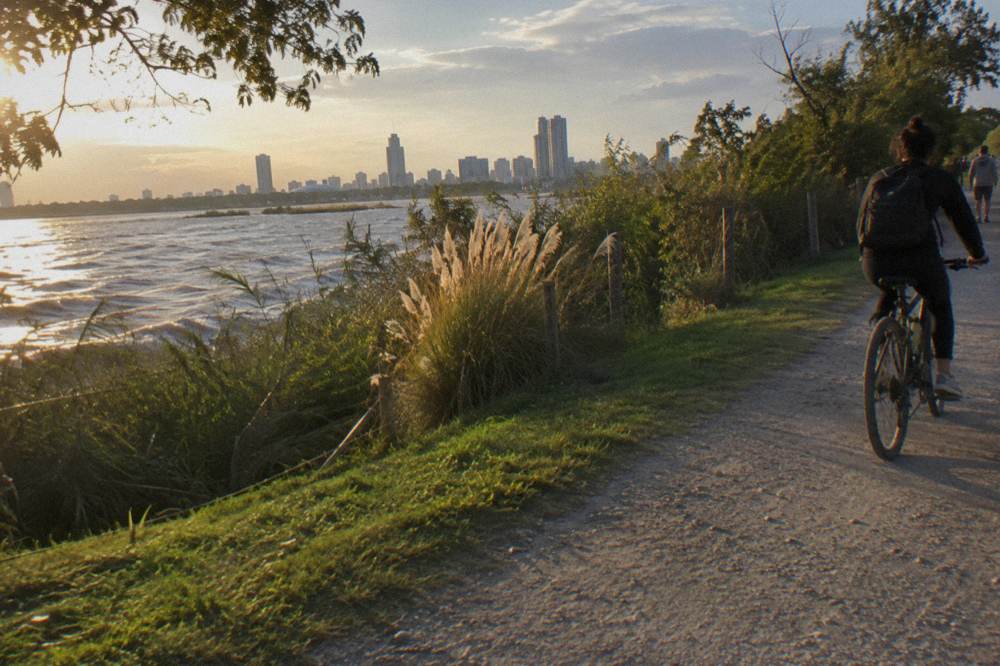
The Reserva Ecológica runs its summer schedule, 8:00 to 19:00, from November through March, and its winter schedule, 8:00 to 18:00, from April through October, Tuesday to Sunday, closed Mondays except holidays, and closed 1 May, 24 and 25 December, 31 December and 1 January, plus in bad weather. The municipal parks, the Bosques de Palermo and the Rosedal among them, are open public space. The fairs are Sunday things: the Feria de San Pedro Telmo and the Patio de Tango on Plaza Dorrego both run Sundays, and the Feria de Mataderos is a Sunday fair too. La Glorieta's milonga in the Barrancas de Belgrano runs Sundays, a la gorra, organised by the community rather than the city.
For walking tours, availability is a booking question rather than a calendar one: the walks run on their published schedules on each guide's page, and the meeting points are fixed per walk. Nothing in the free-outdoor tier needs a ticket, a reservation or a DNI.
Where Does The Free Visit Start?
The free visit starts at a meeting point, and each walk publishes its own. The Heart of the City tour meets at the Biblioteca del Congreso, Av. Hipólito Yrigoyen 1750. The first-timer Welcome walk meets at the Casa Rosada in Plaza de Mayo. The Max 6 People walk meets at the Obelisco, and the Retiro and Recoleta walks meet at the San Martín Monument in Plaza San Martín.
GuruWalk
Most walks here, run by independent guides
Pay what you want
freetour.com
A smaller set, mostly Spanish-led
Pay what you want
For the attraction-side free visit, the natural starting points are the plazas themselves, because they are the fixed points of the city. Plaza de Mayo is the anchor for the historic centre: Casa Rosada, Cabildo and Catedral Metropolitana stand on its edges, and the Museo Casa Rosada sits behind the palace. Plaza del Congreso anchors the other end of the historic axis, and it is where the City Center history walk meets, at the Congress Monument. Plaza Dorrego anchors San Telmo on fair days, and Plaza Serrano anchors Palermo Soho's street-art wanderings.
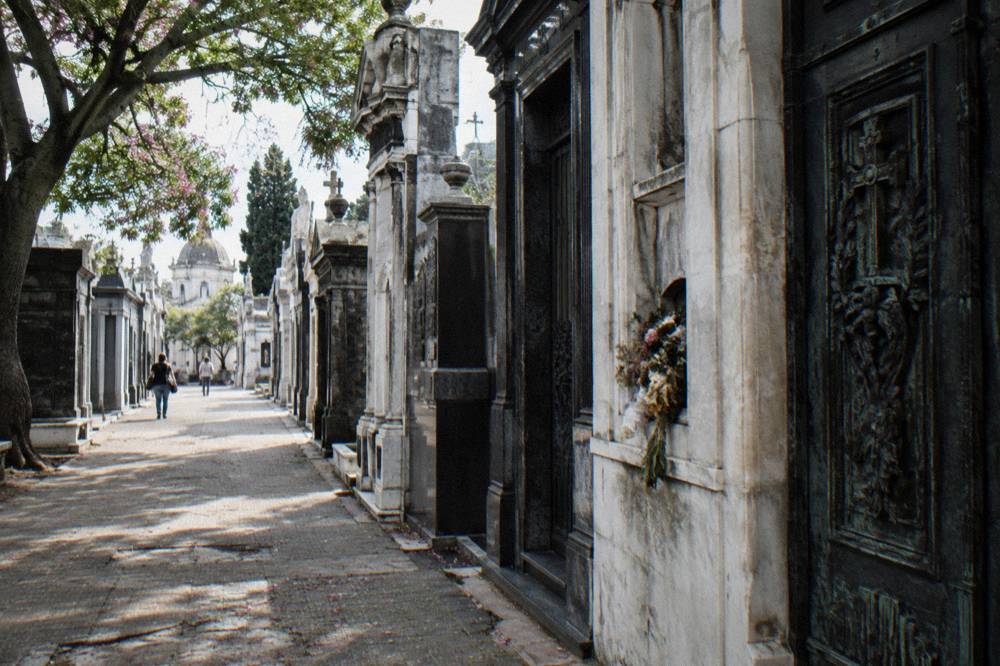
The Recoleta cluster starts at its own landmarks: the Cementerio de la Recoleta gate on Junín, the Plaza Estado del Vaticano where one of the freetour.com Recoleta walks meets, and the Museo Nacional de Bellas Artes, free for all and open Wednesday to Sunday, which anchors the museum end of the neighbourhood. In Retiro, Plaza San Martín is the hub, where two GuruWalk walks meet at the San Martín Monument. Foreign visitors should remember the cemetery split before arriving: free for Argentine residents with DNI, paid for foreign visitors via Entradas BA, no official figure published, so arriving without that expectation is how the surprise cost happens.
For the Tigre day, the free visit starts at the Puerto de Frutos market, and the planning caution about the interrupted direct rail service belongs at the start of that plan, not the end. Every walk page on this site carries its own meeting point exactly as the guide publishes it, and that is where each free visit begins.
Which Free Walking Tours Cover This?
The free walking tours cover every major tourist barrio: downtown and Plaza de Mayo, Congreso and the theatres, Recoleta and Retiro, San Telmo and La Boca, and Palermo's parks and street art. All are pay what you want, on GuruWalk and freetour.com. The flagship is Free Tour of Buenos Aires: Heart of the City by Vive Buenos Aires, 3 hours, 4.84 out of 5 across 1,332 GuruWalk reviews, meeting at the Biblioteca del Congreso.
Downtown, the choice runs from the 3-hour Heart of the City walk to the 1-hour-45-minute City Center Walking Tour by WalkBa Tours, 4.91 out of 5 across 621 GuruWalk reviews, meeting at the Congress Monument in Plaza del Congreso. The first-timer option, Welcome to Buenos Aires by Buenos Aires Horizon Tours, is trilingual, English, Spanish and Portuguese, 2 hours 30 minutes, 4.92 out of 5 across 743 reviews, meeting at the Casa Rosada. Andreas runs a max-6-people small-group walk, 3 hours 30 minutes, 4.97 out of 5 across 551 reviews, meeting at the Obelisco, and Hernán's themed walks meet at the Teatro Colón.
In Recoleta and Retiro, the walk by WalkBa Tours, 4.87 out of 5 across 385 reviews, meets at the San Martín Monument; guiding is pay what you want while extras on that listing are bought separately, so it is not a fully free walk in the strict sense. Vive Buenos Aires runs a longer Retiro and Recoleta walk, 4.87 out of 5 across 212 reviews, from the same monument. The Recoleta-only walks on freetour.com, run by Free Walks Buenos Aires, carry ratings of 9.5 and 9.3 out of 10 across the reviews shown on their freetour.com listings, meeting at Plaza Estado del Vaticano and at the corner of Viamonte and Libertad beside the Teatro Colón.
In San Telmo and La Boca, the English option is the San Telmo essentials walk, 4.87 out of 5 across 209 GuruWalk reviews, meeting at the Mercado de San Telmo. La Boca's walk, the Tango, Art and Football walk by Almafuerte, is 2 hours 30 minutes in English, Spanish and French, 4.81 out of 5 across 1,469 GuruWalk reviews, the most reviewed walk in this directory. The freetour.com La Boca and San Telmo walks are Spanish-only but carry enormous review pools on their own platform, and their counts are never added to GuruWalk's. In Palermo, the street-art walk from Plaza Serrano, 4.91 out of 5 across 161 reviews, and the parks walk from the Jardín Botánico, 4.91 out of 5 across 53 reviews, cover the green side.
The walking tours are how the "expensive city" question dissolves. A visitor who takes one walk a day, tips honestly, and spends the rest of the day in the free tier has built a rich itinerary whose only fixed costs are the paid doors they chose to open. GuruWalk's own pages for these walks carry the current schedules, and every walk here is run by an independent local guide: this site neither operates nor is affiliated with GuruWalk, it only shares what the guides publish.
For the broader framing of a low-spend trip, the budget guide to the city and the guide to free walking tours carry the full picture; this page owns the one question of what expensive means here. The short version: expensive is a choice in Buenos Aires, and the free layer is large enough that the choice is real.
Mistakes That Trip People Up At Buenos Aires Prices
The costly mistakes are all about assuming one free rule fits every door. Treating a resident-only Wednesday as open to tourists, treating MALBA's half-price Wednesday as free, expecting free entry to the Recoleta Cemetery as a foreigner, and walking to a museum on its closing day are the classic errors. Each one is avoidable with one check before you set out.
The first mistake is merging the Wednesday regimes. The city museums are free on Wednesday for Argentine residents with DNI only, tourists pay. MAMBA and PROA are free on Wednesday for everyone. MALBA on Wednesday is half price for everyone, never free. A tourist who plans a "free Wednesday museum day" without naming the museums will either pay more than expected or stand at a door expecting a discount that does not exist there.
The second is the Cementerio de la Recoleta. It is free for Argentine residents with DNI and paid for foreign visitors through Entradas BA, and no official figure is published, so it should sit in the budget as an unknown rather than a zero. The Recoleta Cemetery free walks are guided walks in the neighbourhood; a walk never covers the foreign visitor's entry fee.
The third is closing days. Monday closes the Cabildo, the Reserva Ecológica and the Jardín Botánico. Tuesday closes MALBA, MAMBA and the city museums. PROA and the national museums open Wednesday to Sunday only. The fourth is the palace: the free thing behind the Casa Rosada is the Museo Casa Rosada, Wednesday to Sunday 11:00 to 18:00, and no plan should promise a walk into the palace itself. The fifth is La Boca: Caminito is free to walk, the museum and stadium experience are paid, and the UK and Canadian governments' travel advice both say to stay on the main tourist streets there, including by day. Petty theft such as pickpocketing is common in busy tourist areas, per the US State Department's advice on Argentina, so the same caution applies to the free plazas as to anywhere else crowded.
Common Questions On This Topic
Is Buenos Aires Expensive For Tourists?
Not inherently. The outdoor icons, the national museums, the big parks and the Sunday fairs cost nothing for anyone, and the 55 free walking tours listed in this directory run on a pay-what-you-want basis. The expense comes from the paid museum tier, where foreign visitors pay resident-versus-foreigner rates at MALBA, MAMBA outside free days, Teatro Colón and the Jardín Japonés, and from the Recoleta Cemetery entry fee for non-residents.
Which museums in Buenos Aires are free for tourists?
The national museums are free for all: the Museo Nacional de Bellas Artes, the Museo Nacional del Cabildo, the Museo Nacional de Arte Decorativo, the Museo Histórico Nacional and the Museo Casa Rosada, open Wednesday to Sunday. MAMBA is free for all on Wednesday and the last Sunday of the month. PROA is free for all on Wednesday. The city museums' Wednesday free entry is for Argentine residents with DNI only.
Is Recoleta Cemetery free to visit?
It is free for Argentine residents with DNI, and paid for foreign visitors through the city's Entradas BA system. No official price figure is published, so budget it as an unknown cost. The free Recoleta walks on GuruWalk and freetour.com are guided walks and do not cover the foreign visitor's entry.
Do free walking tours really cost nothing?
Yes, in the sense that there is no ticket. Every walk on this site, 55 in total across GuruWalk and freetour.com, is free to reserve and join, and you pay the guide what you want at the end. A few walks carry extras bought separately, such as cemetery entry or food on food-themed walks, and those are stated on each walk's listing.
What day should I visit museums to pay less?
Wednesday. MALBA is half price that day for everyone, ARS 7,000 against ARS 14,000, and MAMBA and PROA are free for all. The city museums are also free on Wednesday, but only for Argentine residents with DNI, so tourists do not get that tier. Remember MALBA, MAMBA and the city museums all close on Tuesdays.
Is Tigre worth it on a budget?
Partly. The Puerto de Frutos market is free to browse, open 10:00 to 18:00 on weekdays and 10:00 to 20:00 on weekends and holidays. The train and the delta boats are paid, with fares on SUBE and no figure published here, and the direct Retiro to Tigre rail service is currently interrupted, so check the operator notice and route via the Mitre line to Maipú before travelling.