Buenos Aires On A Budget: The Free Side Of The City
Buenos Aires can be walked almost entirely for nothing, if you know which sights are free for everyone, which free days belong to residents only, and where the paid headline sights quietly charge.
In Short
A budget trip to Buenos Aires works because the city's core sights, Plaza de Mayo, Caminito, the Obelisco, the Reserva Ecológica Costanera Sur and the national museums, cost nothing to see. Free, pay-what-you-want walking tours run across the city on GuruWalk and freetour.com, 55 of them listed on this site. The traps are real: some museum free days apply only to Argentine residents with DNI, and Recoleta Cemetery now charges foreign visitors.
Part of the Free Things To Do In Buenos Aires guides.
Quick Facts
| Question | Answer |
|---|---|
| What is free for everyone | Plaza de Mayo, Caminito, the Obelisco exterior, the Reserva Ecológica Costanera Sur, the Jardín Botánico, national museums including the Museo Nacional de Bellas Artes |
| What is free only for residents | Wednesday entry to the city museums and Cementerio de la Recoleta, for Argentine residents with DNI |
| What costs money | Teatro Colón tours from ARS 37,000 general, Jardín Japonés ARS 24,000 for non-residents, MALBA ARS 14,000 outside Wednesday |
| Closing days to plan around | Mondays: Museo Casa Rosada, Cabildo, Reserva Ecológica, Jardín Botánico. Tuesdays: MALBA, MAMBA, city museums |
| Free guided walks | 55 pay-what-you-want walks listed on this site, on GuruWalk and freetour.com |
What Can You Do In Buenos Aires For Nothing?
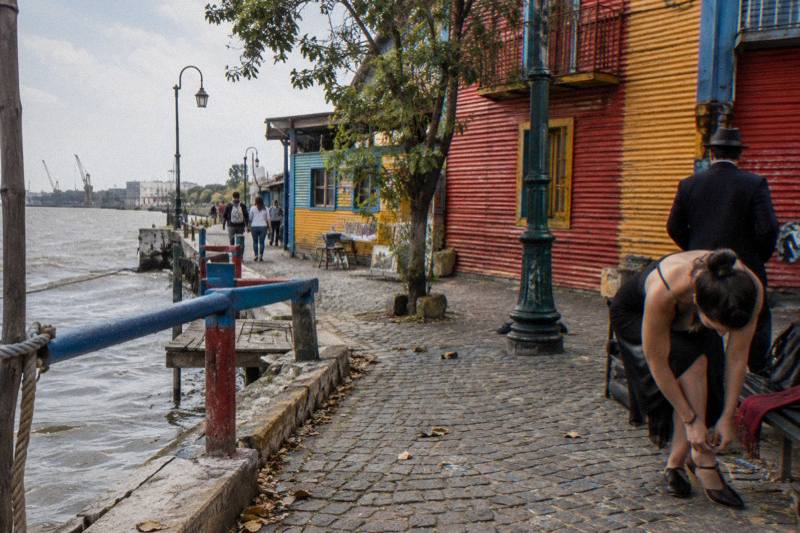
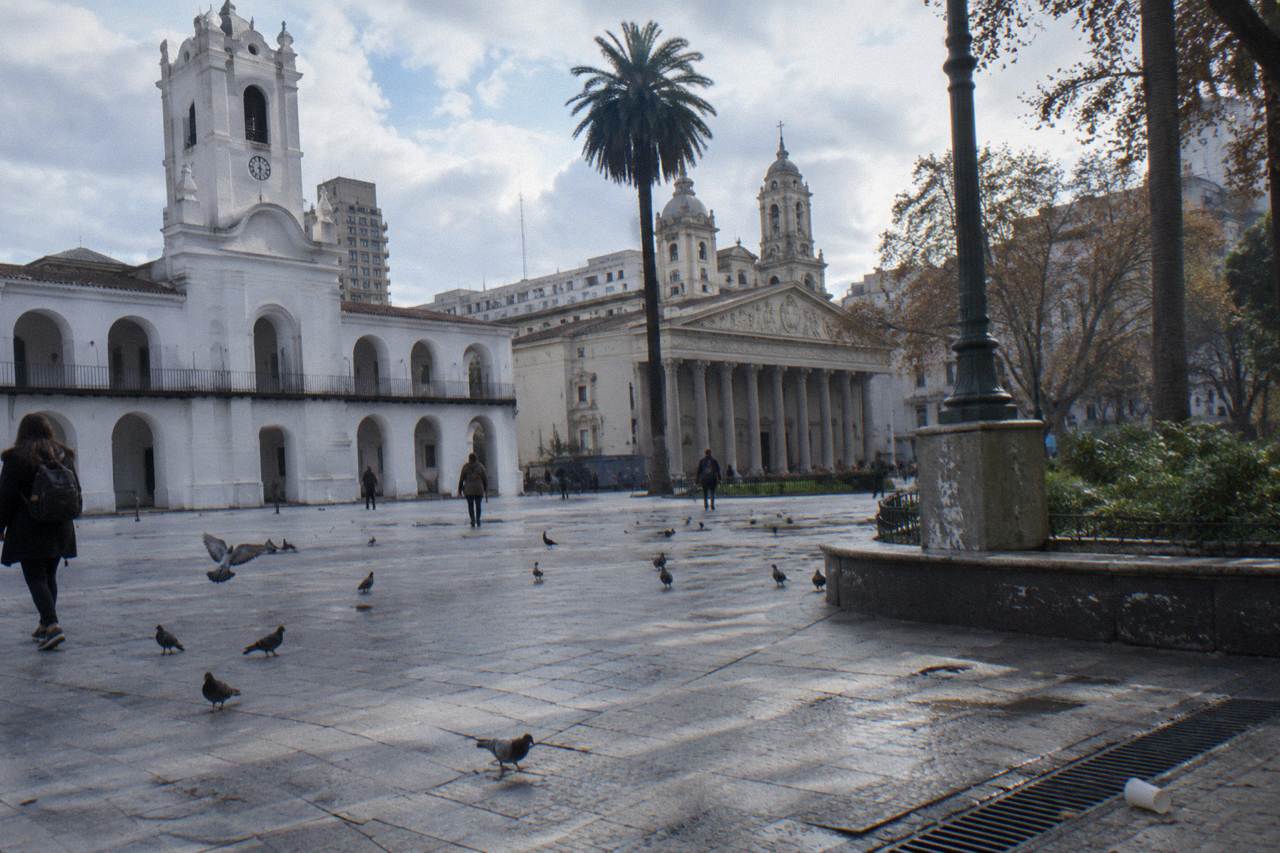
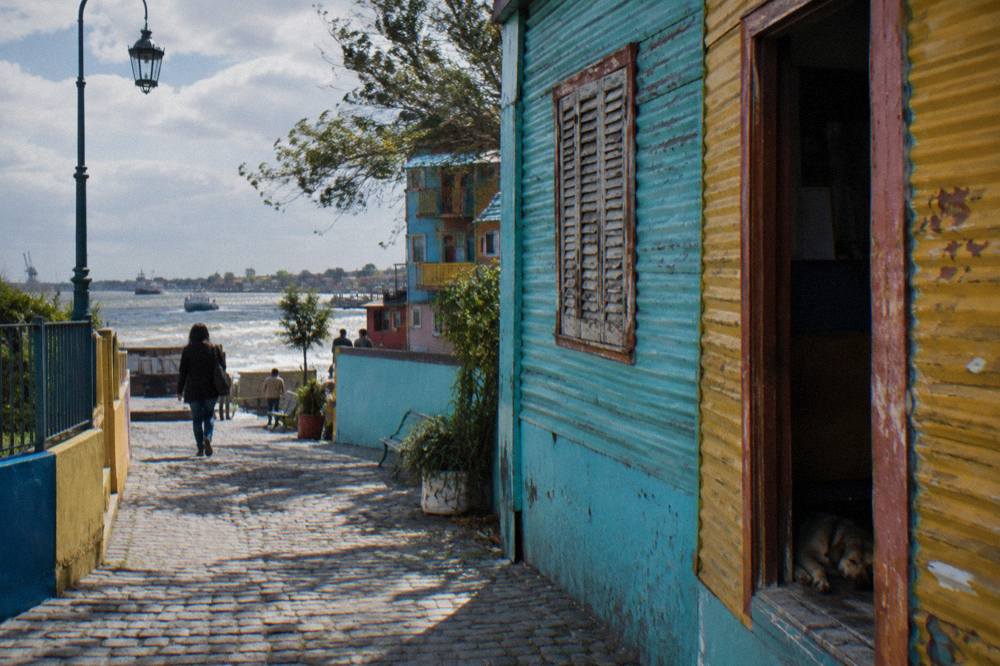
The honest answer is: most of the sightseeing. Plaza de Mayo, the Catedral Metropolitana, Caminito, the Obelisco from the outside, Floralis Genérica, the Reserva Ecológica Costanera Sur, the Jardín Botánico Carlos Thays, the Bosques de Palermo and every one of the national museums cost nothing to enter or to see, and the city's headline neighbourhoods, Recoleta, Retiro, San Telmo, La Boca and Palermo, are themselves the attraction and free to walk.
GuruWalk
Most walks here, run by independent guides
Pay what you want
freetour.com
A smaller set, mostly Spanish-led
Pay what you want
That last point matters more than any single museum. Buenos Aires is a city where the street scene carries the visit: the Feria de San Pedro Telmo on Plaza Dorrego, the Sunday fair at Mataderos, the street art around Palermo, thePuente de la Mujer in Puerto Madero. None of that has a ticket booth. A traveller who spends nothing beyond food and transport still sees the essence of the city.
The free list splits cleanly into groups. Open public space first: plazas, the riverfront at Puerto Madero, the ecological reserve on the Costanera Sur, the parks of Palermo, Caminito's painted street in La Boca. Then the free-entry institutions: the national museums, which include the Museo Nacional de Bellas Artes, the Museo Nacional del Cabildo, the Museo Nacional de Arte Decorativo and the Museo Histórico Nacional, all free for everyone and open Wednesday to Sunday. Then the walk-through interiors that cost nothing to enter, Galerías Pacífico with its painted dome and El Ateneo Grand Splendid, the theatre turned bookshop, where browsing is free and only the books and the café cost money.
On top of all that sits the guided layer. Free walking tours, pay-what-you-want walks run by independent local guides, cover the centre, Recoleta and Retiro, San Telmo and La Boca. This site lists 55 of them, the majority on GuruWalk and the rest listed on freetour.com. A visitor could structure an entire trip around these walks and the free public spaces and pay for little besides meals.
One annual event deserves its own line in any budget plan. Noche de los Museos is the annual November night when museums across the city open free of charge, from the evening into the early hours. The city's tourism authority publishes the programme on its official events page, and it is the single best free night of the year to be in Buenos Aires, though individual venues may stop admitting before the official close.
Which Free Things Are Free Only For Residents?
Free only for Argentine residents with DNI are the Wednesday city museum entries at Museo de la Ciudad, Casa Museo Carlos Gardel, Museo Quinquela Martín, Museo Sivori, Museo Larreta, Museo Fernández Blanco and Museo del Cine, plus Cementerio de la Recoleta; tourists pay at all of them. By contrast, MAMBA and PROA are free for everyone on Wednesdays, and MALBA is never free for general visitors, only half price.
This is why the phrase "free Wednesday" should never be trusted without a museum named next to it. The city runs three entirely different Wednesday regimes, and mixing them up either costs money you did not plan for or sends you to a museum on its closed day. The city museums close on Tuesdays and charge tourists: at Museo de la Ciudad, the one city museum whose published figures may be quoted, tourists pay ARS 10,000 and residents with DNI pay ARS 2,000. The others follow the same pattern.
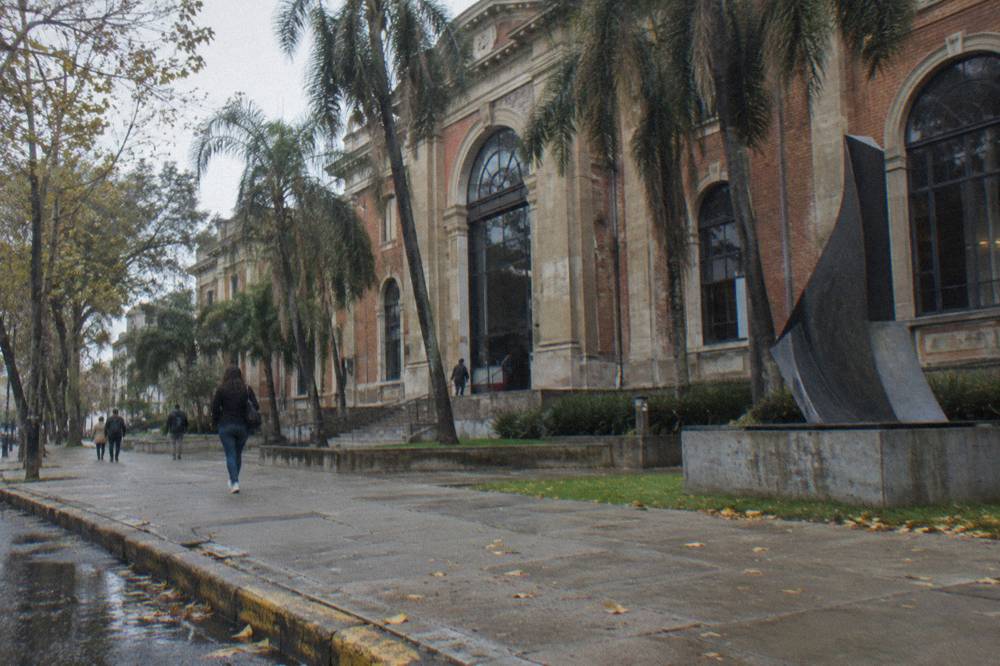
MAMBA, the modern art museum in San Telmo, is the exception that works in a tourist's favour: free for all visitors on Wednesdays and on the last Sunday of the month, ARS 16,000 for foreign visitors and ARS 5,000 for residents on other days, closed Tuesdays. PROA down in La Boca is also free for everyone on Wednesdays, ARS 7,000 Thursday to Sunday, and open Wednesday to Sunday only.
MALBA is the museum people most often get wrong. Wednesday is half-price day, not a free day: ARS 7,000 general on Wednesday against ARS 14,000 other days, the same rate for tourists and residents. Only students, teachers and retirees enter free, and only on Wednesdays. It also closes Tuesdays. The full breakdown, museum by museum, is in the guide to free museums, and the Wednesday question specifically is answered in which day museums are free.
| Museum | Wednesday rule | Who pays otherwise | Closed |
|---|---|---|---|
| City museums (Ciudad, Gardel, Quinquela Martín, Sivori, Larreta, Fernández Blanco, Cine) | Free for Argentine residents with DNI only | Tourists pay; ARS 10,000 at Museo de la Ciudad | Tuesday |
| MAMBA | Free for everyone, also last Sunday of the month | ARS 16,000 foreign visitors, ARS 5,000 residents | Tuesday |
| PROA | Free for everyone | ARS 7,000 Thursday to Sunday | Monday, Tuesday |
| MALBA | Half price for everyone, ARS 7,000; free only for students, teachers, retirees | ARS 14,000 other days | Tuesday |
| National museums (Bellas Artes, Cabildo, Arte Decorativo, Histórico Nacional, Museo Casa Rosada) | Free for everyone every day they open | Nobody pays | Monday, Tuesday |
The national museums are the pleasant surprise in this table: free for all visitors, no residency test, open Wednesday to Sunday. The Museo Casa Rosada, the museum behind the presidential palace, runs Wednesday to Sunday 11:00 to 18:00 and costs nothing. Note that the free thing there is the museum, not the palace interior, which serves institutional functions and whose visiting rules for individuals are contested between sources.
What Do The Paid Headline Sights Charge?
Teatro Colón guided tours run ARS 37,000 general, ARS 18,000 for residents, and ARS 8,000 for resident retirees and students, while the Jardín Japonés charges ARS 24,000 for non-residents and ARS 8,000 for residents. Recoleta Cemetery bills foreign visitors an unpublished amount via Entradas BA, Palacio Barolo and Café Tortoni are paid without published figures, and the Obelisco, Caminito, Plaza de Mayo, and Puerto Madero stay free to view from outside.
Free to do
- Walk guiding (tip only)
- Plazas and street art
- Outside views of landmarks
Paid separately
- Food on food walks
- Show tickets
- Museums that charge
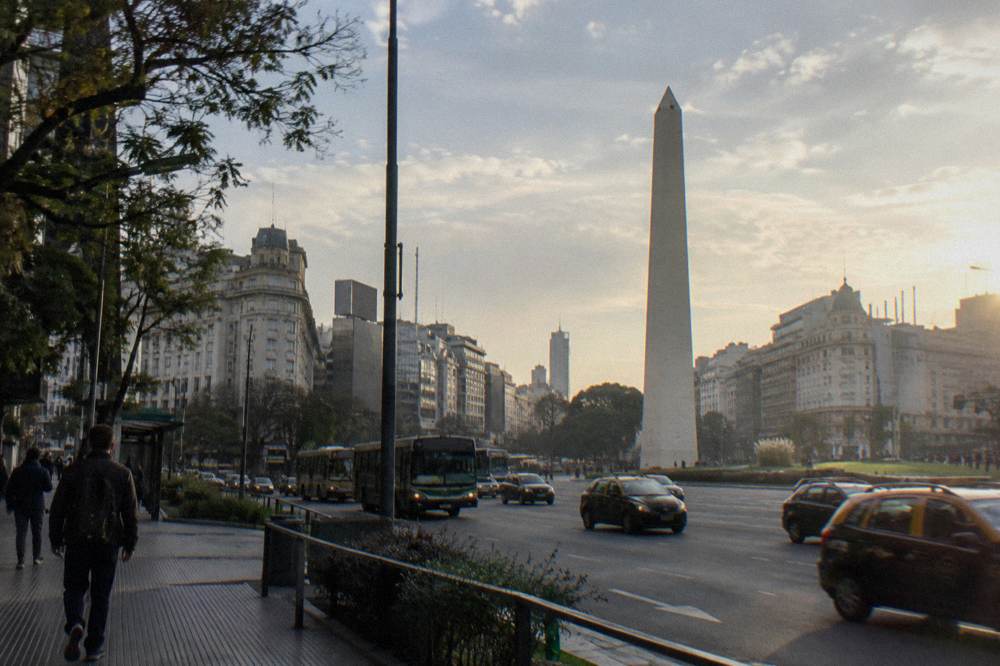
The pattern across the paid sights is that the outside is free and the inside costs money. The Obelisco is free to see from the street and no public mirador entry has been found, so nobody should plan on going up it. Caminito in La Boca is a free open street, while the Boca museum and the stadium experience in the same barrio are paid. Tigre's Puerto de Frutos market is free to browse while the train and the delta boats are paid.
Teatro Colón deserves its budget line because so many visitors assume otherwise, and the question comes up often enough that this site keeps a dedicated page on whether Teatro Colón is free. It is not, at any time, in any published regime. The figures above are the tour prices, and they are the only Colón numbers worth writing down.
Recoleta Cemetery is the newest paid item on the list. For years it was the classic free sight of Buenos Aires. Now Argentine residents with DNI enter free and foreign visitors pay through the city's Entradas BA platform, with no official figure published. The cemetery walk guides on GuruWalk and freetour.com are guided walks of the neighbourhood and the cemetery, and a free walk never covers the foreign visitor's entry charge. The Recoleta Cemetery guide covers the change in full.
| Sight | Free part | Paid part |
|---|---|---|
| Teatro Colón | Seeing the building outside | Guided tours ARS 37,000 general |
| Jardín Japonés | None | ARS 24,000 non-residents, ARS 8,000 residents |
| Cementerio de la Recoleta | Entry for residents with DNI | Foreign visitors pay via Entradas BA, amount unpublished |
| Caminito | Walking the street | Boca museum and stadium experience |
| Obelisco | Viewing from outside | No public mirador found |
| El Ateneo Grand Splendid | Entering and browsing | Books and the café |
| Tigre, Puerto de Frutos | Browsing the market | Train and delta boats |
How Do You Build A Free Day In Buenos Aires?
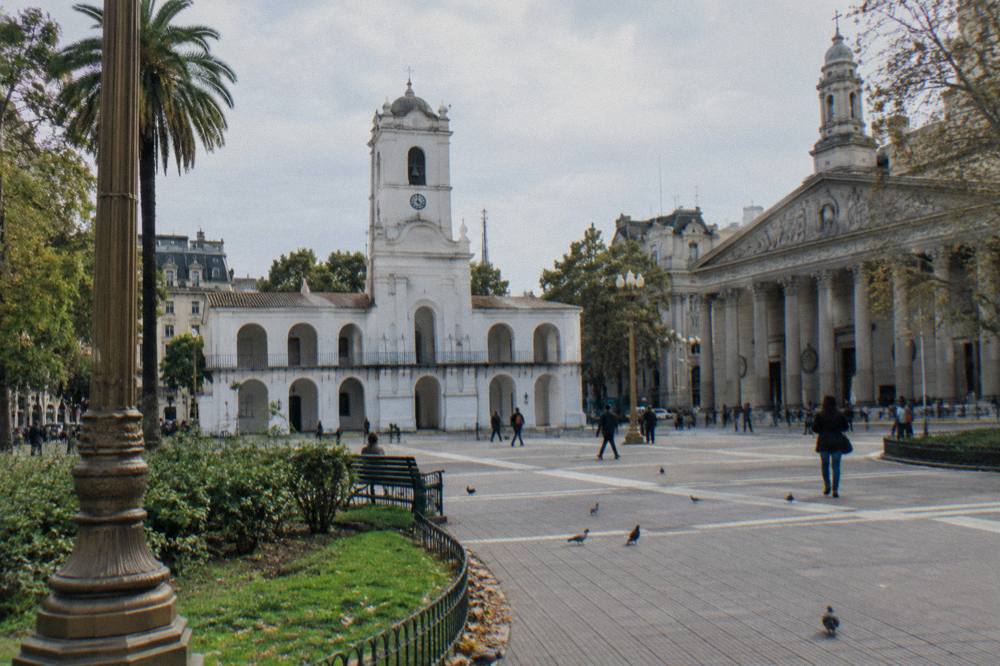
Start at Plaza de Mayo, where the Cabildo, Catedral Metropolitana and Museo Casa Rosada are all free, then walk Avenida de Mayo toward Congress, cross to Puerto Madero and the Puente de la Mujer in the afternoon, and finish at the Reserva Ecológica Costanera Sur before its 19:00 summer close; anchor the day with a pay-what-you-want walking tour, so your only costs are food and a subte fare.
The centre is dense enough that a free day builds itself. Plaza de Mayo alone holds the Cabildo, free for everyone and open Wednesday to Sunday, the cathedral, also free, and the Museo Casa Rosada behind the palace, free Wednesday to Sunday 11:00 to 18:00 and closed Monday. From the plaza, Avenida de Mayo runs to the Congreso de la Nación, whose guided tours exist as a conditional listing and should be confirmed rather than assumed.
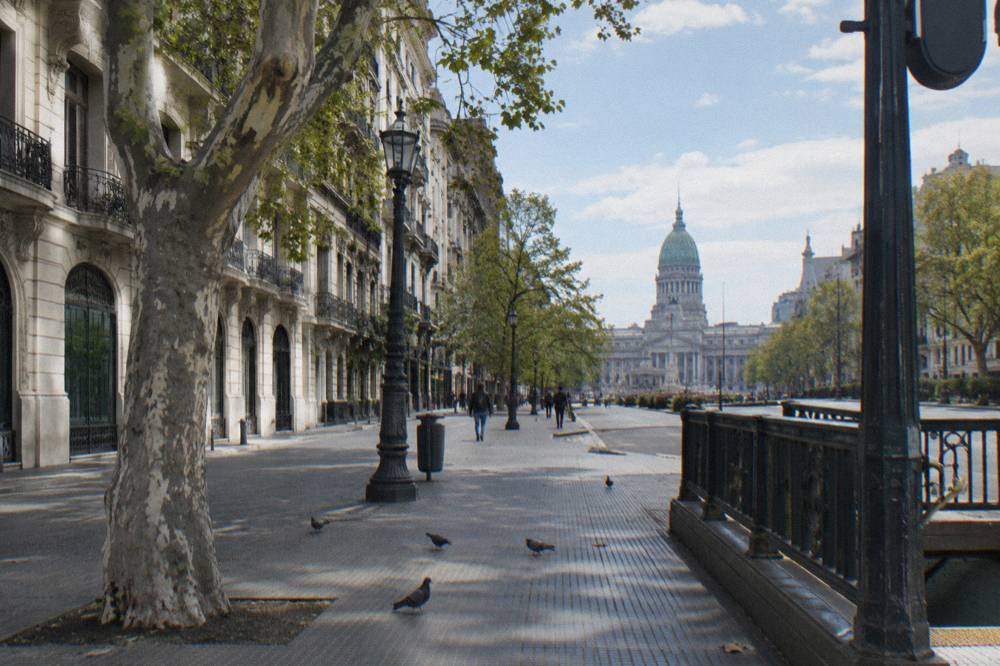
The strongest single anchor for this day is the Downtown Intro, 3 Hours walk by Vive Buenos Aires, a GuruWalk walk rated 4.84 out of 5 across 1,332 GuruWalk reviews, running in English and Spanish, meeting at the Biblioteca del Congreso on Av. Hipólito Yrigoyen. Three hours with a local guide, pay what you want at the end, and the centre is explained rather than just walked past. It is the walk this site points first-time budget visitors toward, and there is more on the format in how free walking tours work.
For a shorter or differently angled centre walk, the Short City Center History Walk by WalkBa Tours runs just 1 hour 45 minutes in English, rated 4.91 out of 5 across 621 GuruWalk reviews, meeting at the Congress Monument in Plaza del Congreso. A compact option like this pairs well with a museum afternoon: walk the avenue in the morning, then use the freed hours for the Museo Nacional de Bellas Artes, free for everyone, or a Wednesday at MAMBA or PROA if the days line up.
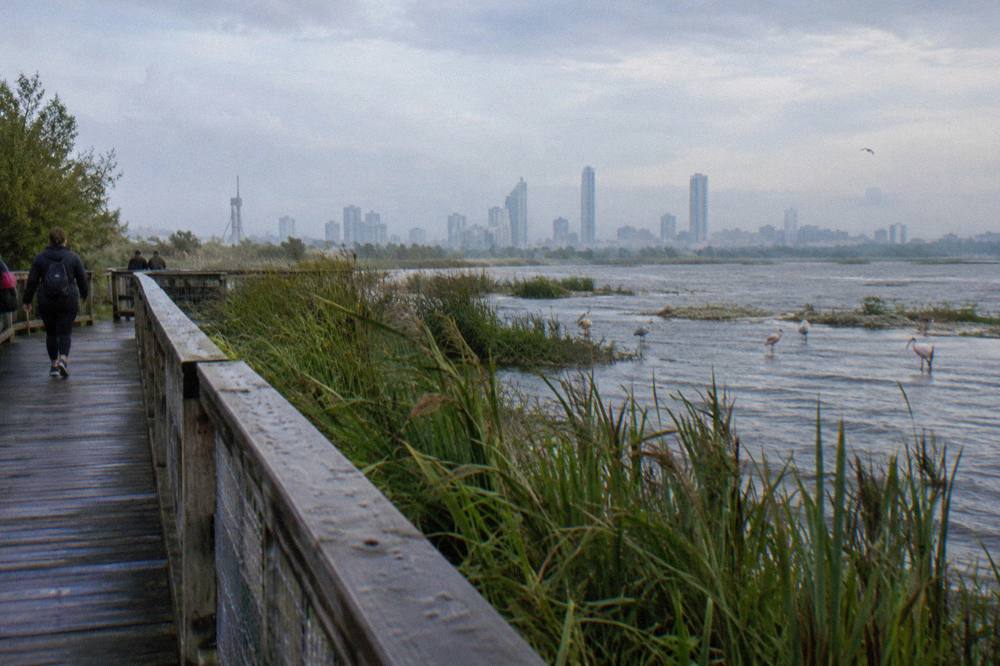
The afternoon half of the free day heads east. Puerto Madero's docks and the Puente de la Mujer cost nothing, and the Reserva Ecológica Costanera Sur sits at the end of it, free for all visitors, open Tuesday to Sunday, 8:00 to 19:00 on the summer schedule that runs November to March, closed Mondays and in bad weather. The Costanera Sur reserve guide covers it in detail. Budget walkers should note the Monday closure early, because a Monday plan needs the parks of Palermo instead, where the Jardín Botánico Carlos Thays is also closed Monday but the Bosques de Palermo and Parque Tres de Febrero are open public space every day, free to enter, with only the paddle boats on the lakes charged.
How Many Days Do Free Things Fill In Buenos Aires?
Four days fills comfortably, which is convenient because that is exactly the trip length most budget searches ask about. Day one takes the centre and Plaza de Mayo, day two Recoleta and Retiro, day three San Telmo with the Sunday fair if the dates allow, day four La Boca and Caminito plus PROA on a free Wednesday, and a fifth day can go to Palermo's parks and street art or the Tigre delta without spending on entry anywhere.
The neighbourhood logic is what stretches the free side so far. Each barrio holds a walk, a set of free public space and usually a museum with some entry condition attached, so a day per neighbourhood never runs dry. Recoleta and Retiro hold the cemetery, Plaza San Martín, the Floralis Genérica and the Museo Nacional de Bellas Artes, plus an unusually deep bench of pay-what-you-want walks. San Telmo holds the Mercado de San Telmo, Plaza Dorrego and the Feria de San Pedro Telmo on Sundays. La Boca holds Caminito, free to walk, and the PROA foundation, free on Wednesdays.

The fair calendar extends the days further. The Feria de Mataderos, out where the city meets the pampas, is a free gaucho market and folklore fair confirmed on the city's official tourism pages, and it is covered in this site's Feria de Mataderos guide. Combined with the Sunday San Telmo fair and the Sunday milonga at La Glorieta in Barrancas de Belgrano, a Sunday in Buenos Aires can be the cheapest full day of the trip.
Tigre is the natural fifth or sixth day for a longer budget stay. The Puerto de Frutos market is free to browse, while the train and the delta boat rides are paid, and the official Tigre tourism site notes that the direct Retiro to Tigre rail service is currently interrupted, with the Mitre line to Maipú plus the Tren de la Costa connection or colectivos as the described alternatives, so the operator's current notice should be checked before travelling. The full picture is in whether Tigre is free to visit.
Which Free Walking Tours Anchor A Free Day?
The day is anchored by Vive Buenos Aires' Downtown Intro, 3 Hours at 4.84 out of 5 across 1,332 GuruWalk reviews, Andreas' Max 6 People Small Group walk at 4.97 out of 5 across 551 reviews with its Obelisco meeting point, the Short Retiro and Recoleta Walk (4.87), San Telmo Essentials in English (4.87, 209 reviews), and La Boca's Tango, Art, Football Walk (4.81, 1,469 reviews), all listed on GuruWalk.
Every figure there carries its pool with it, which is the honest way to read ratings. The Max 6 People Small Group walk deserves its own word: Andreas caps the group at six, runs 3 hours 30 minutes in English and Spanish from the Obelisco at Plaza de la República, and holds the highest rating of any centre walk on the site. For a traveller who wants depth over group size, it is the premium experience at a pay-what-you-want price.
Not every walk on the walk list is in English, and budget planning should check the language before reserving. A large share of the 55 walks run in Spanish, including the biggest Recoleta and San Telmo listings on freetour.com, where the Free City Center Walk by Free Walks Buenos Aires shows 9.6 out of 10 across 10,227 reviews shown on its freetour.com listing, and the La Boca free walk shows 9.4 out of 10 across 10,096 such reviews. Those freetour.com counts aggregate other sources and are never comparable with GuruWalk review pools. English speakers have a smaller but strong bench across every neighbourhood, and this site's free walking tours guide sorts them by language and meeting point.
| Walk | Platform and guide | Rating and reviews | Meets at |
|---|---|---|---|
| Downtown Intro, 3 Hours | GuruWalk, Vive Buenos Aires | 4.84 out of 5, 1,332 reviews | Biblioteca del Congreso |
| Max 6 People Small Group | GuruWalk, Andreas | 4.97 out of 5, 551 reviews | Obelisco, Plaza de la República |
| Short City Center History Walk | GuruWalk, WalkBa Tours | 4.91 out of 5, 621 reviews | Congress Monument, Plaza del Congreso |
| First-Timer Welcome, Trilingual | GuruWalk, Buenos Aires Horizon Tours | 4.92 out of 5, 743 reviews | Casa Rosada, Plaza de Mayo |
| Tango, Art, Football Walk | GuruWalk, Almafuerte | 4.81 out of 5, 1,469 reviews | Av. Martín García 270, by Parque Lezama |
| San Telmo Essentials in English | GuruWalk, Magdalena | 4.87 out of 5, 209 reviews | Mercado de San Telmo |
A few walks carry extra costs beyond the tip, and the listing says so. The Short Retiro and Recoleta Walk by WalkBa Tours, the Recoleta Cemetery walks and the Chacarita Cemetery walk all have entry-related extras bought separately, since the Recoleta Cemetery now charges foreign visitors. Guiding itself stays pay what you want. How much to tip is its own question, answered with real figures in how much to tip on a free walking tour.
This site is part of Free Things To Do In Buenos Aires, and it is not affiliated with GuruWalk or any guide: every walk listed is run by an independent local operator on the platform.
Mistakes That Trip People Up When Visiting Buenos Aires On A Budget
The mistakes that cost real money are assuming "free Wednesday" means everyone, assuming Recoleta Cemetery is still free, showing up at MALBA expecting a free day, planning museums on Mondays or Tuesdays, and trusting that a free walking tour covers a paid entry. Each of these comes from a rule that changed or a rule that was never uniform, and each is avoidable with one sentence of planning.
The Wednesday mistake is the most expensive. Someone who hears "museums are free on Wednesday" and walks into a city museum pays tourist rates, because that scheme is for Argentine residents with DNI only. The museums that are actually free for everyone on Wednesdays are MAMBA and PROA, and MALBA is half price, never free. Planning a Wednesday around MAMBA, PROA and MALBA in that order is the single best free-museum day available to a foreign visitor.
The Recoleta Cemetery change catches returning visitors especially. The cemetery charged nothing for years, and many older guidebooks still say free. Foreign visitors now pay through Entradas BA, an amount no official page publishes, so the honest phrasing is simply paid for foreign visitors. The cemetery's free guided walks do not absorb that charge.
The closing-day mistake wastes whole mornings. Mondays close the Museo Casa Rosada, the Cabildo, the Reserva Ecológica Costanera Sur and the Jardín Botánico. Tuesdays close MALBA, MAMBA and every city museum. PROA and the national museums open Wednesday to Sunday only. A budget itinerary that ignores this pattern burns transport money on shut doors; the free Sunday activities guide shows what stays open when the museums do not.
Finally, treat the Obelisco as a view-from-outside sight, since no public ascent has been found, and never book a walk expecting it to include Teatro Colón's interior, which is a paid tour at ARS 37,000 general. Free, pay what you want covers the guiding, not the attractions that charge everyone alike.
Common Questions About A Free Day In Buenos Aires
Is Buenos Aires cheap for a budget traveller?
The sightseeing side is unusually cheap: plazas, Caminito, the parks of Palermo, the Reserva Ecológica Costanera Sur and the national museums are free, and the 55 pay-what-you-want walks listed here cover the neighbourhoods. The paid headline sights, Teatro Colón at ARS 37,000 for tours and the Jardín Japonés at ARS 24,000, are the main exceptions, along with food and transport.
Is 4 days enough in Buenos Aires?
Yes, and four days maps neatly onto the free side: the centre and Plaza de Mayo, Recoleta and Retiro, San Telmo, and La Boca with a free Wednesday at PROA. A fifth day can go to Palermo's parks and street art or out to Tigre's free Puerto de Frutos market, with only the train and boats charged.
What is actually free for tourists in Buenos Aires?
Plaza de Mayo, the Catedral Metropolitana, the Cabildo and all national museums including the Museo Nacional de Bellas Artes, the Obelisco from outside, Caminito, Floralis Genérica, the Bosques de Palermo, the Jardín Botánico, the Reserva Ecológica Costanera Sur, Galerías Pacífico and El Ateneo Grand Splendid as walk-throughs, plus MAMBA and PROA on their free days.
Which museums are free on Wednesday in Buenos Aires?
Only MAMBA and PROA are free for everyone on Wednesdays; MAMBA is also free on the last Sunday of the month. The city museums are free on Wednesdays for Argentine residents with DNI only, and tourists pay. MALBA is half price on Wednesdays, ARS 7,000, never free, except for students, teachers and retirees.
Do you tip on free walking tours in Buenos Aires?
Yes, the entire model is pay what you want: the walk itself costs nothing to book and the guide is paid by tip. There is no fixed amount and this site publishes no figure for tips, but every walk on GuruWalk and freetour.com operates on voluntary payment at the end.
Is Recoleta Cemetery free to visit?
Not any more, for foreign visitors. Argentine residents with DNI enter free; foreign visitors pay through the city's Entradas BA system, and no official figure has been published. The free Recoleta Cemetery walks on GuruWalk and freetour.com do not cover that entry charge.