Centro Cultural Kirchner And Usina Del Arte: What Is Free And What Costs Money
Two of Buenos Aires's grandest cultural buildings sit a short distance apart, and both run on conditions rather than a simple ticket. Here is what official sources actually say about free entry, event access and the paid parts around them.
In Short
The Centro Cultural Kirchner and the Usina del Arte are both cultural venues rather than ticketed attractions, and both are recorded as conditional: entry terms depend on the building and the event. The surrounding sights, Plaza de Mayo, Puerto Madero's Puente de la Mujer and the Catedral Metropolitana, are free to everyone. This guide separates the two venues' conditions from what genuinely costs nothing nearby.
Part of the Free Things To Do In Buenos Aires guides.
Quick Facts
| Question | Answer |
|---|---|
| Are the CCK and Usina del Arte free? | Both are recorded as conditional venues: access depends on the building and the event |
| Is anything around them free? | Yes: Plaza de Mayo, the Obelisco exterior, Puente de la Mujer and the Catedral Metropolitana are free for everyone |
| What costs money nearby? | Teatro Colón guided tours, the Jardín Japonés and the museum entries listed below carry ARS prices |
| Which museums nearby are free for all? | The national museums, including the Museo Nacional de Bellas Artes and the Cabildo, are free for all visitors |
| Which are free only for residents? | The city museums on Wednesday, free only for Argentine residents with DNI; MAMBA and PROA are the free-for-all Wednesday exceptions |
| Nearest free walk platforms | GuruWalk and freetour.com both list walks meeting downtown; the Free City Center Walk on freetour.com meets at the Congreso gate |
Is The Centro Cultural Kirchner And Usina Del Arte Free To Visit?
The honest answer is that neither building is recorded as simply free or simply paid. Both sit in the conditional category: the Centro Cultural Kirchner is a cultural centre whose access depends on its programme, and the Usina del Arte is likewise recorded as conditional, with entry terms that vary by event. No fixed admission price is published for either in official sources, so treat each visit as event-dependent rather than ticket-free.
Start with what the buildings are, because that explains the conditions. The Centro Cultural Kirchner is the former central post office palace turned cultural centre, and the name itself carries a caveat worth knowing: the current agenda on the national culture ministry's site, cultura.gob.ar, still uses Centro Cultural Kirchner, while some more recent sources use a different name for the building. Official sources flag this as contested, so this guide keeps the name the official agenda uses. The centre's own site did not respond when checked, which is exactly why its entry terms stay conditional rather than being promoted to a free or paid listing.
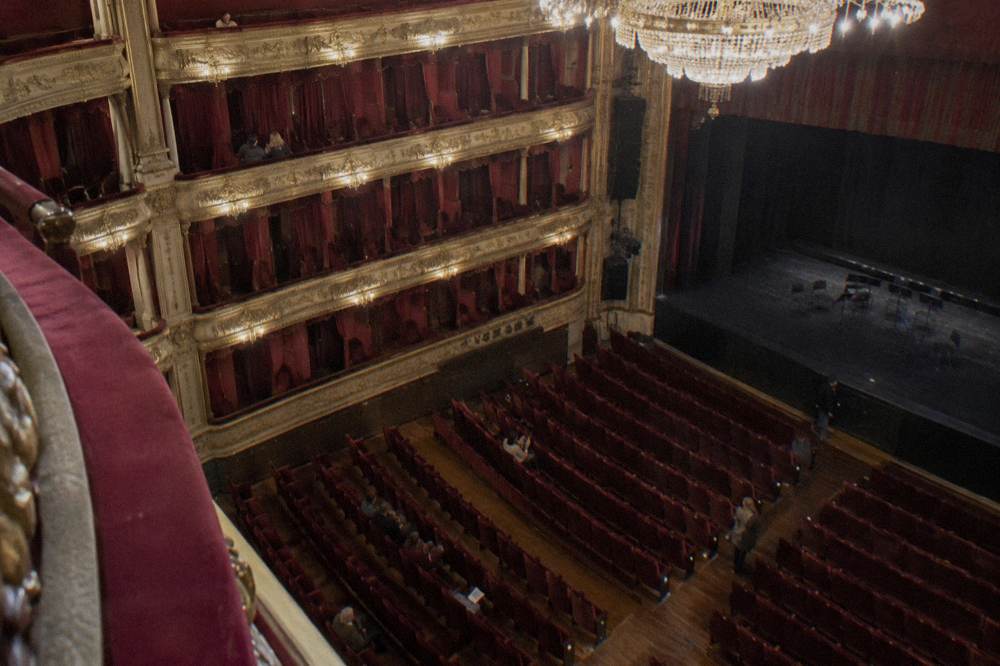
The Usina del Arte is a different kind of building in a different setting: a converted power station in La Boca that serves as a concert and event venue for the city. It is recorded with low confidence, the same category as the CCK, and for the same reason. A venue that hosts ticketed concerts one night and open programming the next cannot honestly be labelled either way without checking what is on. The practical advice follows from official sources: look at the venue's own current programme before you plan a visit, and treat anything you find there as the live answer rather than a standing rule.
What trips many visitors up is assuming that a "cultural centre" in Buenos Aires works like a public gallery with a lobby you can wander into. Some days that may be true, and some events are open access, but official sources do not support a blanket claim either way. The conditional label is not hedging for its own sake; it is the accurate description of two venues whose doors open and close with their calendars. Everything genuinely free in this guide therefore lives either outdoors around them or in the museums with published rules.
For context on how Buenos Aires handles cultural access generally, the pattern is consistent across the city: outdoor space is free, national museums are free for all, and city-run venues carry resident-versus-visitor distinctions. The Wednesday regimes are the clearest example, and they are worth understanding before you plan any museum day, because three different rules share one weekday. The details are laid out in What Days Are Museums Free In Buenos Aires, which separates the resident-only city museums from the genuinely free-for-all options.
What Is Free Around The Centro Cultural Kirchner And Usina Del Arte?
Both venues sit inside walking distance of genuinely free sights. Around the CCK: Plaza de Mayo, the Pirámide de Mayo, the Cabildo's exterior, the Catedral Metropolitana and the Obelisco's exterior all cost nothing. Around the Usina del Arte: Caminito is free to walk, and the Puerto Madero waterfront with Puente de la Mujer is free to everyone. None of these carry conditions in official sources.
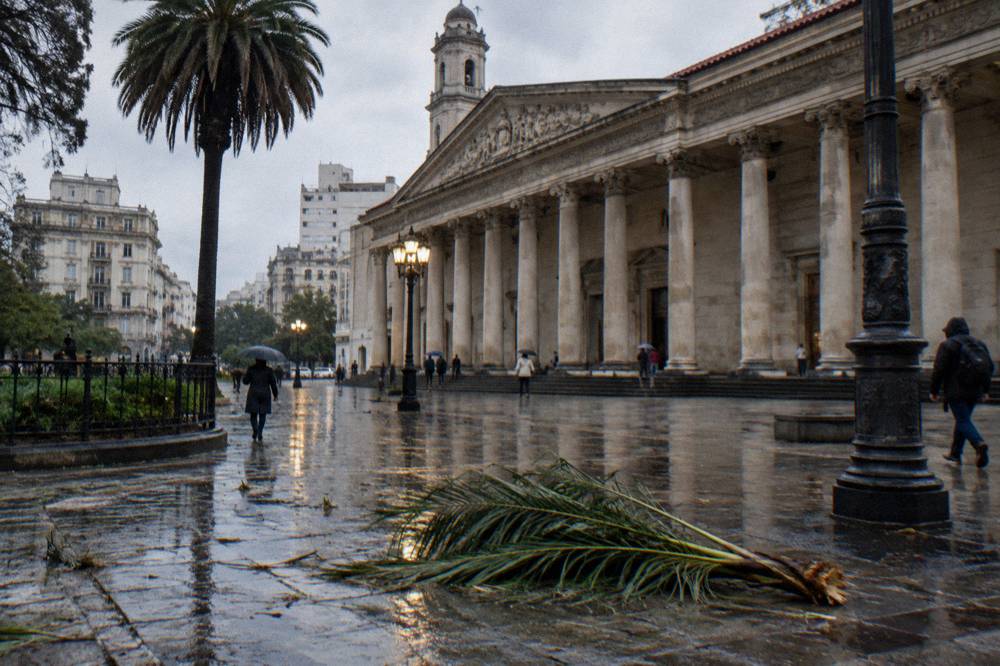
The CCK stands in the San Nicolás area, steps from the spine of downtown landmarks that make up the classic free walk of the city. Plaza de Mayo is the open square that has served as the city's political stage, free to enter at any time as public space. The Catedral Metropolitana, the Metropolitan Cathedral, is recorded as free, and the Museo Casa Rosada behind the Casa Rosada is free Wednesday to Sunday, 11:00 to 18:00, closing Mondays. The free thing there is the museum, not the palace interior: the palace itself is used by institutions, and official sources flag individual interior visits as contested, so no visit to the palace should be promised. The full picture is in the Plaza de Mayo and Casa Rosada guide.
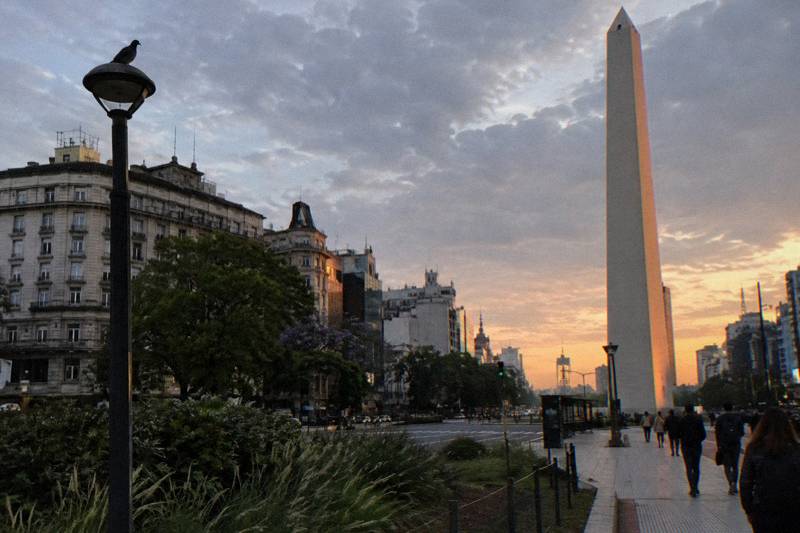
The Obelisco is the other anchor. It is free to see from the outside, and no mirador entry was found, so official sources are firm that you cannot go up it. Galerías Pacífico and El Ateneo Grand Splendid round out the indoor-free category nearby: both are free to enter and walk through, with the shops and books inside costing money as shopping always does. This free-versus-paid split, exterior free and interior commerce, repeats across the city and is the single most useful habit for a budget visitor to adopt.
The Usina del Arte sits in La Boca, which flips the geography: the free draw there is the street itself. Caminito is free to walk, an open-air stretch of painted houses, while the Boca museum and the stadium experience in the same barrio are paid. The Caminito case is the classic two-fact pairing: free outside, paid inside. Tango appears on the street too; it may be described as the subject of the La Boca walks whose titles carry it, and any show beyond that is a paid product. Practical guidance from the foreign advisories paraphrased in the research says to stay on the main tourist streets in La Boca, including during the day.
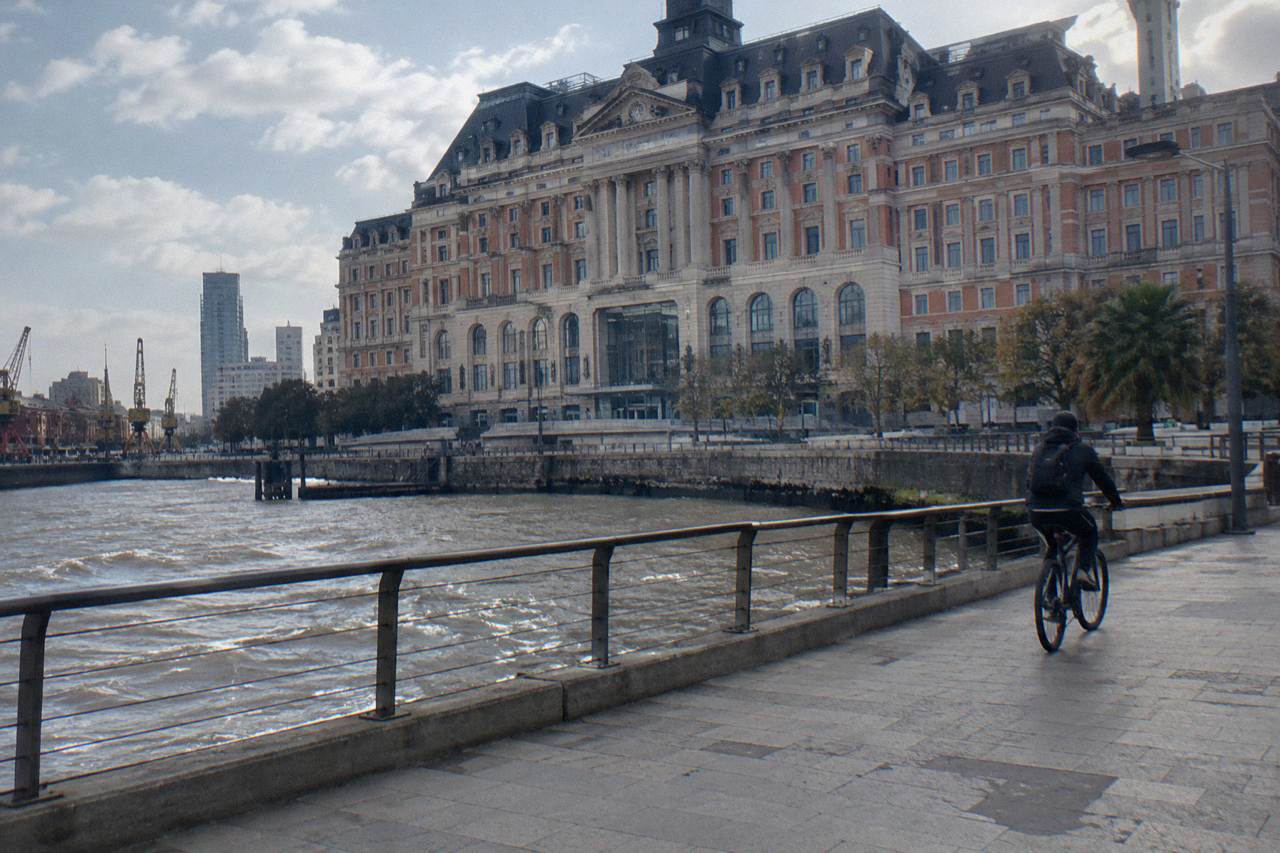
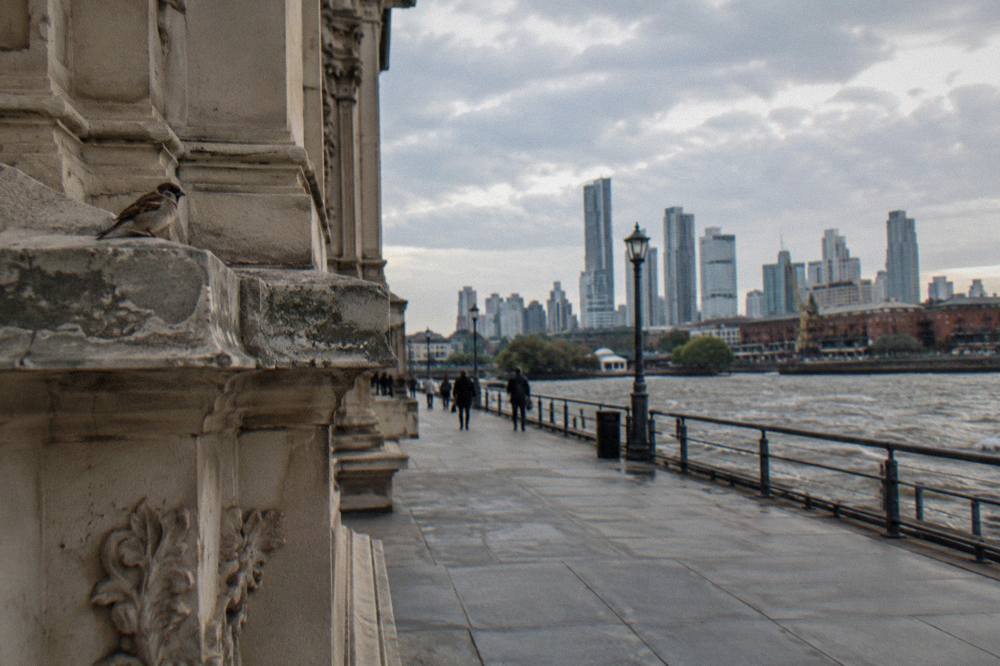
Between the two venues lies Puerto Madero, the modern dockside district whose waterfront and Puente de la Mujer are free public space. It makes a natural free corridor: from the CCK you can walk the docks south, cross the bridge, and continue toward La Boca's edges. The Puerto Madero and Puente de la Mujer guide covers that stretch in full.
The city's tourism portal, buenosaires.gob.ar, is the authority that backs several of these details, including the Feria de Mataderos listing and the Reserva Ecológica schedule, and it is the right place to check current CCK-adjacent programming. The national culture agenda at cultura.gob.ar is the equivalent authority for the CCK's own events.
What Costs Money At The Centro Cultural Kirchner And Usina Del Arte?
Neither venue has a published standing admission in official sources, but paid elements surround both: ticketed events inside the venues when the programme charges, and the paid attractions of the surrounding blocks. Teatro Colón guided tours cost ARS 37,000 general, ARS 18,000 residents, ARS 8,000 resident retirees and students, and the Jardín Japonés costs ARS 24,000 for non-residents, ARS 8,000 residents.
The Teatro Colón sits closest to the CCK and is the clearest paid item in the neighbourhood. Its guided tours are firmly paid, and no free walk enters it, so budget for the tour if you want the interior. The figures above come from the official pages fetched in November 2026, and Argentine prices move often, so treat them as the current prices rather than permanent ones. The full entry breakdown is in the site's Teatro Colón guide.
Around the CCK, the museum Wednesday regimes produce the paid surprises. MALBA on Wednesday is half price, never free for general visitors: ARS 7,000 general on Wednesday against ARS 14,000 other days, one rate for tourists and residents alike, with free Wednesday entry only for students, teachers and retirees, and a Tuesday closure. The city museums, including the Museo de la Ciudad, are free on Wednesday for Argentine residents with DNI only; tourists pay, and the Museo de la Ciudad's figures are ARS 10,000 for tourists and ARS 2,000 for residents with DNI, the only city museum whose numbers may be printed. MAMBA breaks the pattern in the visitor's favour: free on Wednesday and on the last Sunday of the month for all visitors, ARS 16,000 for foreign visitors and ARS 5,000 for residents on other days, closed Tuesdays. PROA is free on Wednesday for all and ARS 7,000 Thursday to Sunday, open Wednesday to Sunday only.
| Venue or part | Price in November 2026 | Who pays |
|---|---|---|
| Teatro Colón guided tour | ARS 37,000 general, ARS 18,000 residents, ARS 8,000 resident retirees and students | Everyone touring |
| Jardín Japonés | ARS 24,000 non-residents, ARS 8,000 residents | Non-residents pay the higher rate |
| MALBA | ARS 14,000 general, ARS 7,000 Wednesday (half price); free Wednesday for students, teachers and retirees | One rate for tourists and residents |
| MAMBA | Free Wednesday and last Sunday for all; other days ARS 16,000 foreign visitors, ARS 5,000 residents | All visitors get the free days |
| PROA | Free Wednesday for all; ARS 7,000 Thursday to Sunday | All visitors |
| Museo de la Ciudad | ARS 10,000 tourists, ARS 2,000 residents with DNI; Wednesday free for residents with DNI only | Tourists always pay |
| Cementerio de la Recoleta | Free for Argentine residents with DNI; paid for foreign visitors via Entradas BA | Foreign visitors pay, no figure published |
In La Boca, the paid items cluster around the stadium: the Boca museum and the stadium experience are both paid, with figures only where official sources carry them. The Centro Cultural Kirchner and the Usina del Arte themselves stay in the conditional column: any ticketing depends on the event, and official sources do not publish a standing price for either. The right move is to check the venue's own current programme, then build the day around the free exterior sights that carry no conditions at all.
When Should You Go To The Centro Cultural Kirchner And Usina Del Arte?
Time your visit around three things: the event calendar, the closing days of the museums you want nearby, and daylight for the outdoor stretches. November brings Noche de los Museos, the annual November night when museums open free of charge, and the Reserva Ecológica Costanera Sur runs its summer schedule, 8:00 to 19:00, from November to March, closed Mondays except holidays.
Because both venues are event-driven, the calendar comes first. A concert evening at the Usina del Arte and an afternoon exhibition at the CCK are different trips with different access rules, so the programme decides the day. What official sources can add is the surrounding rhythm: the free Museo Casa Rosada runs Wednesday to Sunday, 11:00 to 18:00; the Cabildo, the Reserva Ecológica Costanera Sur and the Jardín Botánico Carlos Thays close Mondays; MALBA, MAMBA and the city museums close Tuesdays; PROA and the national museums open Wednesday to Sunday only. A Monday or Tuesday downtown trip therefore leans naturally toward the outdoor sights and the always-free national museums on their open days.
Seasonally, the November-to-March window matters for two reasons. The Reserva Ecológica shifts to its summer hours, 8:00 to 19:00, giving long evenings for the waterfront walk between the CCK area and La Boca. And November carries Noche de los Museos, the annual night when museums across the city open free of charge, running from the evening into the early hours. It is the single biggest free-culture event on the calendar; individual venues may stop admitting earlier than the published end, and participation varies, so check what is open rather than assuming every museum joins. The site's guide to the night covers what to expect.
Weather is the other practical factor, again from official sources rather than guesswork: the Reserva Ecológica closes in bad weather, so a stormy day removes the reserve but not the indoor conditional venues, whose indoor events proceed regardless. For walking the corridor between the two venues, daylight simply makes the dockside and the Caminito stretch easier to enjoy, and the advisories' La Boca guidance, stay on the main tourist streets, applies by day as much as after dark.
How Do You Combine The Centro Cultural Kirchner And Usina Del Arte With Other Free Sights?
The workable free day runs the downtown spine in the morning, Puerto Madero at midday, and La Boca in the afternoon: Plaza de Mayo, the Catedral Metropolitana and the Obelisco exterior, then the Puente de la Mujer and the waterfront, then Caminito, with the CCK and the Usina del Arte slotted in around their event times. Every named outdoor stop in that chain is free for everyone.
Build the downtown half first. Plaza de Mayo gives you the Pirámide de Mayo, the Cabildo and the Casa Rosada in one square, with the free Museo Casa Rosada behind the palace on its open days. A short walk north puts you at the Obelisco and, if the budget allows, the paid Teatro Colón tour; if not, the exterior and Galerías Pacífico's free-to-enter interior fill the same block. El Ateneo Grand Splendid, the former theatre turned bookshop, is free to walk through and is one of the city's genuinely free indoor wonders, caf� and books aside.
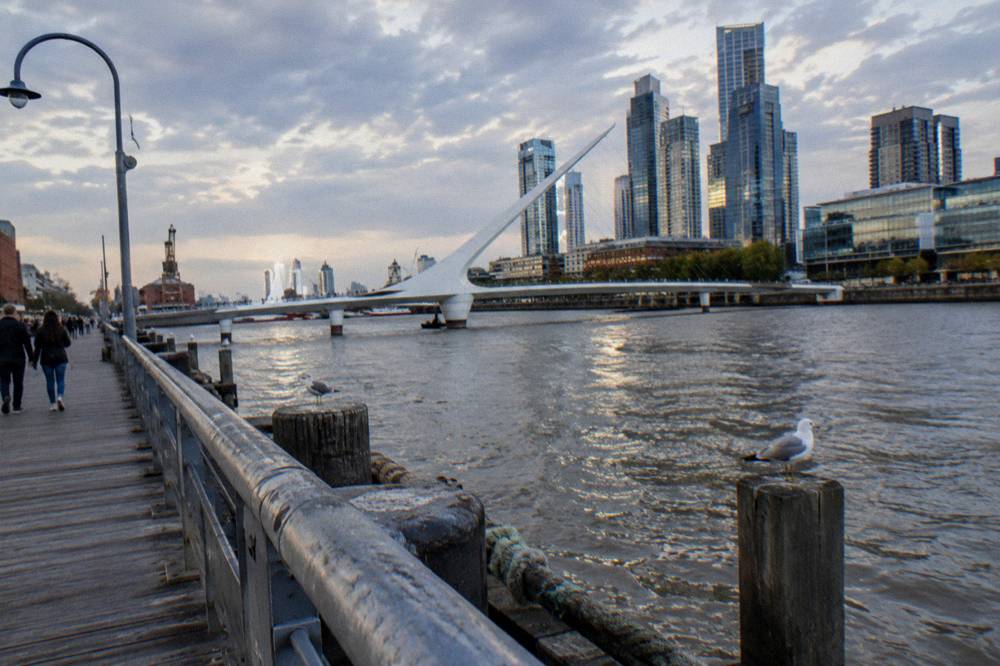
The corridor south through Puerto Madero is the link between the two halves. The docks and the Puente de la Mujer are free public space, and the Reserva Ecológica Costanera Sur sits at the southern end if you want the nature option, on its Tuesday-to-Sunday schedule. Continuing to La Boca brings you to Caminito, free to walk, with the Usina del Arte as the event-driven stop in the same barrio. The pairing rule from official sources repeats: free street, paid museum and stadium. Anyone planning a full Sunday should also look at the San Telmo market and Sunday fair guide, since the Feria de San Pedro Telmo makes that day the richest free-programming day of the week.
For a wider look at how these pieces fit, the round-up at Free Things To Do In Buenos Aires collects the free sights by barrio, and the free walking tours guide explains how the pay-what-you-want system works across the city's 55 listed walks. Both are useful before committing a day to this corridor, because the walks below can replace a paid guide entirely.
A note on scope: this corridor stays inside the city. Tigre, with its free-to-browse Puerto de Frutos market and paid train and boat rides, is a separate day trip, and the direct Retiro to Tigre train service is currently shown as interrupted on the operator's page, so check the current notice before travelling there.
Which Free Walking Tours Meet Near The Centro Cultural Kirchner And Usina Del Arte?
Free walking tours near both venues cluster downtown, meeting at the Biblioteca del Congreso, the Obelisco, the Teatro Colón, Plaza de Mayo and the Congreso gate. The Downtown Intro walk on GuruWalk, rated 4.84 out of 5 across 1,332 reviews, runs 3 hours from Av. Hipólito Yrigoyen 1750 and, like all of these walks, is pay-what-you-want, with the guide paid by tip at the end.
GuruWalk
Most walks here, run by independent guides
Pay what you want
freetour.com
A smaller set, mostly Spanish-led
Pay what you want
The Downtown Intro walk is the natural fit for this article's ground: it starts at the Biblioteca del Congreso and covers the heart of the city over three hours in English and Spanish. It is run by an independent local guide on GuruWalk, and this site neither operates nor is affiliated with GuruWalk; the listing is simply the strongest-rated long introduction to the downtown that surrounds the CCK. Reading the Downtown Intro walk page gives the meeting point and current schedule.
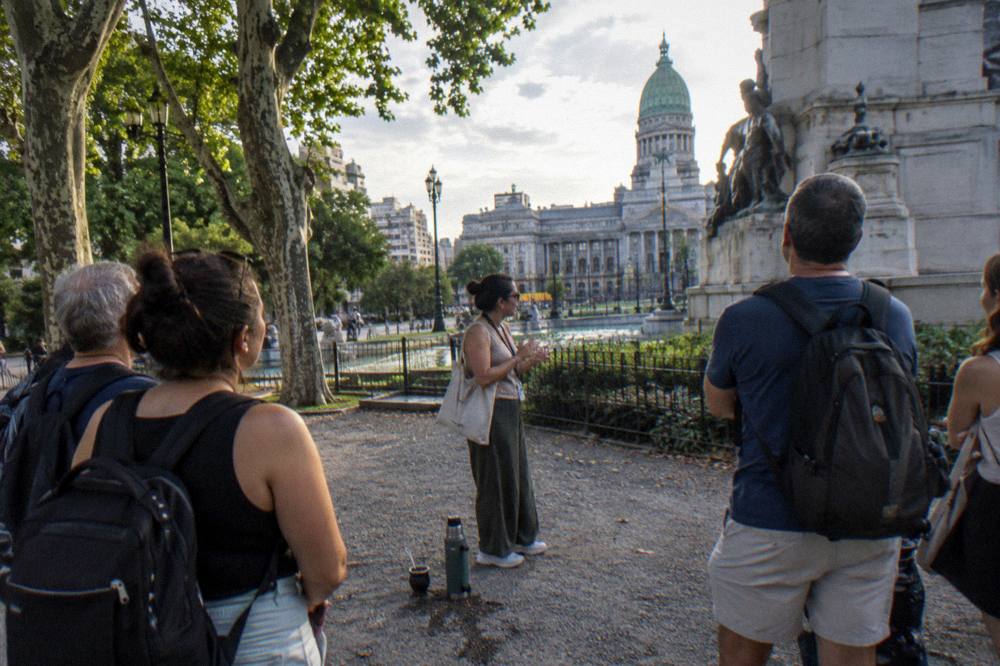
Shorter and tighter, the Short City Center History Walk, 4.91 out of 5 across 621 GuruWalk reviews, runs 1 hour 45 minutes in English from the Congress Monument at Plaza del Congreso. For anyone whose day is already full of the corridor above, it compresses the downtown history into a single morning block. It also runs on GuruWalk, by WalkBa Tours, and its listing notes an additional-costs chip on some of that operator's walks, so read the listing page for what is included.
The Obelisco meeting point belongs to the Max 6 People Small Group walk, 4.97 out of 5 across 551 GuruWalk reviews, 3 hours 30 minutes in English and Spanish, capped at six participants. The small-group cap is the differentiator: it trades the big-crowd format for a conversation, which suits visitors who want to ask questions about the buildings rather than follow a flag. It meets at the Obelisco, Plaza de la República, squarely inside this article's ground, on GuruWalk.
Beyond those, the evening format suits the venues' event schedule: the Never Sleep Theme Walk, 4.76 out of 5 across 269 GuruWalk reviews, meets at the Teatro Colón, and the Paris of Latin America Theme Walk, 4.69 out of 5 across 155 GuruWalk reviews, meets at the same spot. Both run in English and Spanish on GuruWalk. On freetour.com, the Free City Center Walk, 9.6 out of 10 across 10,227 reviews shown on its freetour.com listing, meets at the Gate of the National Congress and runs in English and Spanish. That platform's review counts aggregate other sources and are never compared with GuruWalk's figures, so read each rating on its own scale. La Boca ground is covered by the Tango, Art, Football Walk, 4.81 out of 5 across 1,469 GuruWalk reviews, meeting at Av. Martin Garcia 270 by Parque Lezama, a short walk from the Usina del Arte.
| Walk | Platform | Rating | Duration | Language | Meets at |
|---|---|---|---|---|---|
| Downtown Intro | GuruWalk | 4.84 out of 5, 1,332 reviews | 3 hours | English and Spanish | Biblioteca del Congreso, Av. Hipólito Yrigoyen 1750 |
| Short City Center History Walk | GuruWalk | 4.91 out of 5, 621 reviews | 1 hour 45 minutes | English | Congress Monument, Plaza del Congreso |
| Max 6 People Small Group | GuruWalk | 4.97 out of 5, 551 reviews | 3 hours 30 minutes | English and Spanish | Obelisco, Plaza de la República |
| Never Sleep Theme Walk | GuruWalk | 4.76 out of 5, 269 reviews | 2 hours 15 minutes | English and Spanish | Teatro Colón |
| Free City Center Walk | freetour.com | 9.6 out of 10, 10,227 reviews on its freetour.com listing | 2 hours 30 minutes | English and Spanish | Gate of the National Congress |
| Tango, Art, Football Walk | GuruWalk | 4.81 out of 5, 1,469 reviews | 2 hours 30 minutes | English, Spanish and French | Av. Martin Garcia 270, by Parque Lezama |
Mistakes That Trip People Up At The Centro Cultural Kirchner And Usina Del Arte
The common mistakes all come from flattening conditions into rules: assuming the venues are free because they are cultural centres, assuming Wednesday is a citywide free day, and assuming Recoleta Cemetery or the Obelisco still cost nothing to everyone. Each of those collapses a real distinction that official sources keep separate, and each can cost a visitor money or a wasted trip.
The first mistake is treating "cultural centre" as "free lobby". The CCK and the Usina del Arte are event venues, and their access moves with their programmes. Check the current event listing before travelling to either, and plan the free exterior sights as the backbone of the day so the visit works whether or not a venue is open. The second mistake is the merged Wednesday: writing or assuming "free Wednesday" without naming the museum. The city museums are free on Wednesday for Argentine residents with DNI only and tourists pay; MAMBA is free for all on Wednesday and the last Sunday; PROA is free for all on Wednesday; MALBA is half price on Wednesday, never free. A visitor who plans a Wednesday museum crawl on the wrong assumption can end up paying for two of the four.
The third is Recoleta Cemetery, long written up as a free highlight: it is now free for Argentine residents with DNI, and foreign visitors pay through Entradas BA, with no official figure published, so it should never be budgeted at zero. The fourth is the Obelisco: free to see from outside, but no mirador entry exists in official sources, so no downtown plan should include going up it. The fifth is the Teatro Colón, firmly paid for tours at ARS 37,000 general in November 2026, and no free walk goes inside it. The sixth is Tigre logistics: the market is free to browse, but the direct train is currently interrupted, so check the operator's notice before committing. Each of these is a single fact stated once, and each saves a planning error that no amount of walking fixes.
Common Questions About The Centro Cultural Kirchner And Usina Del Arte
Is The Centro Cultural Kirchner And Usina Del Arte Free To Visit?
Both venues are recorded as conditional rather than free or paid. Access depends on each building's event programme, and neither has a published standing admission in official sources. Check the venue's own current programme for the event you want, and build your day around the surrounding sights, which are free without conditions.
What Is Free Around The Centro Cultural Kirchner?
Plaza de Mayo, the Pirámide de Mayo, the Catedral Metropolitana, the Obelisco's exterior, Galerías Pacífico and El Ateneo Grand Splendid are all free to enter or view. The Museo Casa Rosada is free Wednesday to Sunday, 11:00 to 18:00, closing Mondays. The palace interior itself is not the free thing and should not be promised.
What Is Free Around The Usina Del Arte?
Caminito is free to walk, and the Puerto Madero waterfront with Puente de la Mujer is free public space on the way there. Tango on the street can be watched freely. The Boca museum and the stadium experience in the same barrio are paid, so the free-versus-paid split is the street against the interiors.
Which Free Walking Tours Meet Near The Centro Cultural Kirchner?
Several meet within blocks: the Downtown Intro on GuruWalk, 4.84 out of 5 across 1,332 reviews, at the Biblioteca del Congreso; the Max 6 People Small Group walk, 4.97 out of 5 across 551 reviews, at the Obelisco; and the Never Sleep Theme Walk at the Teatro Colón. The Free City Center Walk on freetour.com, 9.6 out of 10, meets at the Congreso gate. All are free, pay what you want.
Are Museums Near The Centro Cultural Kirchner Free On Wednesday?
Only some, and the rules differ by museum. MAMBA and PROA are free for all visitors on Wednesday. MALBA is half price, ARS 7,000, not free. The city museums are free on Wednesday only for Argentine residents with DNI, with tourists paying. The national museums, including the Museo Nacional de Bellas Artes, are free for all on any open day.
When Is The Best Time To Visit This Area?
Weekday afternoons suit the outdoor spine and the venue calendars, while Sundays add the Feria de San Pedro Telmo in nearby San Telmo. November brings Noche de los Museos, the annual night of free museum entry, and the Reserva Ecológica runs summer hours, 8:00 to 19:00, from November to March. Avoid Mondays for the Cabildo, the Jardín Botánico and the Reserva Ecológica, which all close that day.