Buenos Aires Street Art And Murals: What To See Free
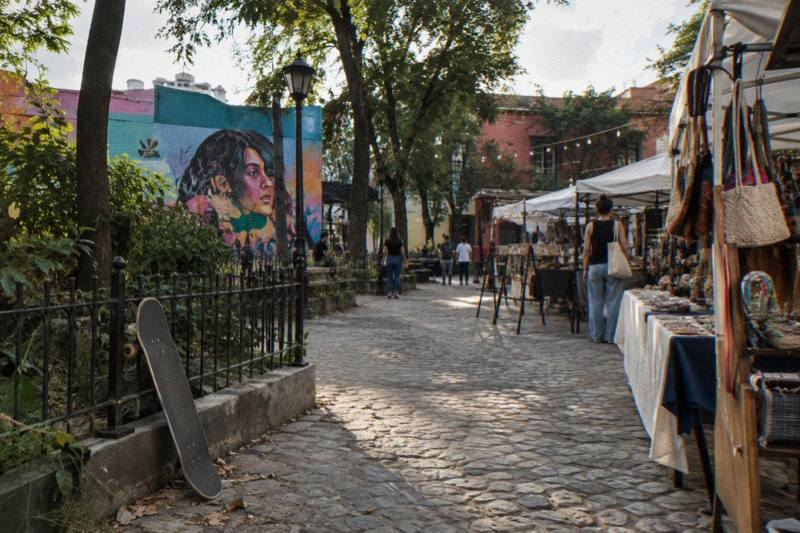
Buenos Aires treats its murals as part of the street itself: you walk past them, photograph them and read them without paying anyone. This guide covers what is genuinely free, what is not, and how the pay-what-you-want walks connect the best walls.
In Short
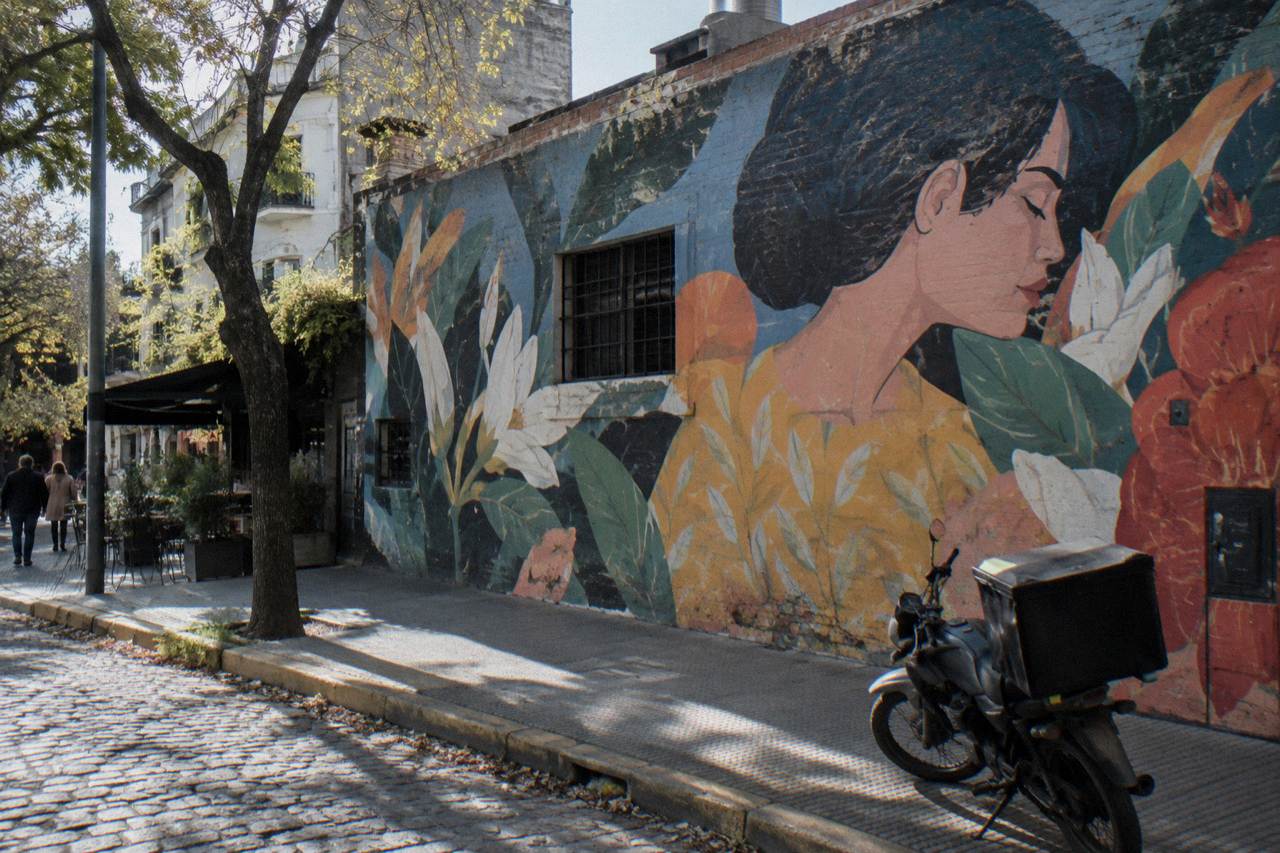
Street art in Buenos Aires is free to see. The murals of Palermo, the painted walls of Caminito in La Boca and the open-air walls across San Telmo and Colegiales cost nothing to walk and photograph. The Palermo Soho Street Art Tour on GuruWalk, 4.91 out of 5 across 161 reviews, is pay what you want, meeting at Plaza Serrano. What costs money is everything around the walls: food, shops and any paid museum or stadium entry.
Part of the Buenos Aires free guides series.
Quick Facts
| Question | Answer |
|---|---|
| Is street art free to visit? | Yes. Murals in Palermo, La Boca, San Telmo and Colegiales are on public streets, free to see |
| Is Caminito free? | Caminito is free to walk; the Boca museum and the stadium tour in La Boca are paid |
| Free guided option | Palermo Soho Street Art Tour on GuruWalk, pay what you want, meets at Plaza Serrano |
| Rating for that walk | 4.91 out of 5 across 161 GuruWalk reviews |
| What costs money nearby | Food, shops, the Jardín Japonés (ARS 24,000 non-residents) and paid museums |
| Closed days to know | Jardín Botánico and the Reserva Ecológica close Mondays |
Is Buenos Aires Street Art Free To Visit?
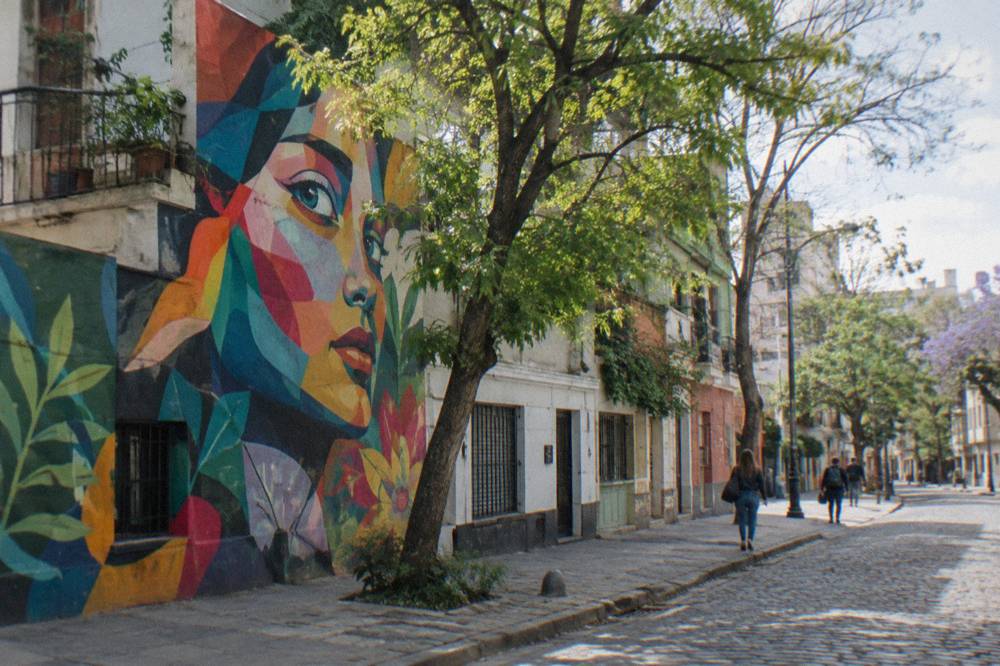
Yes, street art in Buenos Aires is free to visit, with no ticket, gate or viewing fee anywhere in official sources. The murals live on exterior walls in Palermo, Colegiales, San Telmo and La Boca, and the streets themselves are public. The free thing is the wall; anything you buy along the way, from food to museum entry, is separate. A free walk meets in this neighbourhood: Palermo Soho Street Art.
The clearest way to understand the city's street art is that it was never packaged as an attraction. The GuruWalk listing for street art in Palermo and Colegiales lists it as an open public space, which is the same category the city's plazas and markets sit in. There is no entrance, no queue and no suggested donation. You walk the blocks and the paintings are simply there, on party walls, shutters and the sides of apartment buildings.
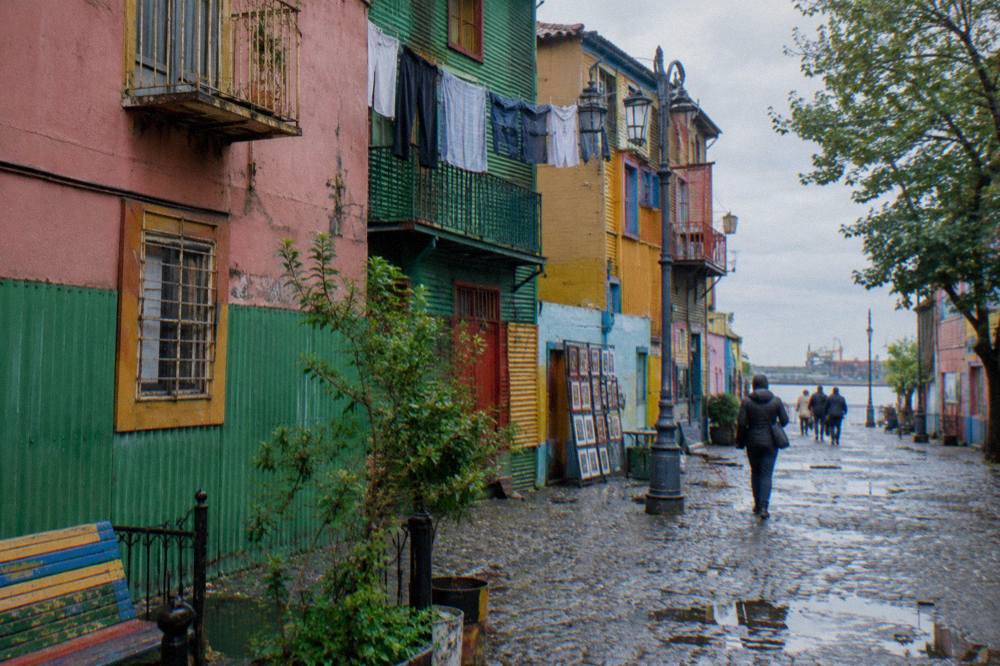
Caminito in La Boca holds the same status. The famous painted street is free to walk, and the tango and football imagery that covers it is part of what the GuruWalk listing calls an open public space. The paid things in La Boca sit around it: the Boca museum and the stadium experience are both paid attractions, recorded separately, and the distinction matters. A visitor can spend a full afternoon with the colour and the murals and pay nothing, or step inside a paid attraction and pay for that alone.
What the free status does not include is interpretation. The walls do not come with captions, and the city does not run an official street art museum. That gap is exactly what the pay-what-you-want walking tours fill. The Palermo Soho Street Art Tour, run on GuruWalk by an independent local guide, is free to book and paid by tip at the end. It meets at Plaza Serrano and runs about two and a half hours in English and Spanish.
A useful frame for planning: the murals are the free layer of neighbourhoods that also contain paid layers. Palermo Soho has the walls and the shops. La Boca has Caminito and the stadium. San Telmo has its street scene and its market. Reading each neighbourhood as a free outdoor gallery with paid indoor extras keeps the budget honest and the day flexible, and it is the same split this site applies across its Free Things To Do In Buenos Aires guides.
What Is Free Around Buenos Aires Street Art?
Around the murals, the free list is long: the streets of Palermo Soho and Colegiales, Caminito, the open-air walls of San Telmo, Plaza Serrano, the Feria de San Pedro Telmo on Sundays, the Floralis Genérica and the Parque Tres de Febrero lakes. All are recorded as free public space, and several sit within walking distance of the murals people come to photograph.
GuruWalk
Most walks here, run by independent guides
Pay what you want
freetour.com
A smaller set, mostly Spanish-led
Pay what you want
Palermo is the anchor. The GuruWalk listing names Palermo and Colegiales as the street art areas, and Plaza Serrano is the meeting point of the Palermo Soho Street Art Tour, which tells you where the densest walls are: within the blocks that surround that plaza. The Jardín Botánico Carlos Thays borders the same neighbourhood and is free, open except Mondays. Further into the Bosques de Palermo, Parque Tres de Febrero and its lakes are free to walk, with paddle boats as the paid extra, and the Floralis Genérica, the great steel flower, stands free in its own plaza on the edge of the park.
San Telmo gives the murals a different backdrop. The barrio's walls, the Mercado de San Telmo and Plaza Dorrego are all in the free column, and on Sundays the Feria de San Pedro Telmo fills the streets around the plaza. The city's tourism page also confirms a Patio de Tango on Plaza Dorrego every Sunday, free to watch, with performers taking tips. The San Telmo Essentials walk in English, on GuruWalk at 4.87 out of 5 across 209 reviews, meets at the Mercado de San Telmo and is pay what you want. A free walk meets in this neighbourhood: Palermo Soho Street Art.
La Boca completes the picture. Caminito itself is the free centrepiece, a painted street rather than a museum, and the La Boca walk on freetour.com, listed on its freetour.com listing with a 9.4 out of 10 from reviews shown there, runs in Spanish and meets at Caminito and Magallanes. The Tango, Art, Football Walk on GuruWalk, 4.81 out of 5 across 1,469 reviews, is the English-capable card for the barrio and covers a walk in La Boca, meeting at Av. Martin Garcia 270 by Parque Lezama.
A practical note on combining: the free outdoor pieces cluster by neighbourhood, so a day of street art in Palermo naturally picks up the Botánico and the park, and a day in San Telmo naturally picks up the market and the Sunday fair. The walls are the thread; everything else free in the neighbourhood hangs off the same streets. For the wider picture of the Recoleta side of the city, the free things to do in Recoleta guide covers the cemetery's entry split and the plazas.
What Costs Money At Buenos Aires Street Art?
The walls cost nothing; the money sits in the paid attractions and businesses around them. The Boca museum and the stadium experience in La Boca are paid, the Jardín Japonés charges ARS 24,000 for non-residents, the shops and cafés of Palermo Soho are businesses, and any spray can, print or souvenir is bought at full price. No paid amount is recorded against any mural or street. A free walk meets close to this area, Palermo Soho Street Art.
Start with La Boca, where the free-versus-paid split is sharpest. Caminito is free to walk while the Boca museum and the stadium tour are paid, and those paid parts have their own prices on their own listings. The rule this site follows, and the rule worth carrying, is that an outdoor free thing and an indoor paid thing can share a street without sharing a budget line. Nothing in official sources puts a figure on walking Caminito, because there is none.
Palermo's paid parts are gentler but real. The Jardín Japonés inside the Bosques de Palermo charges ARS 24,000 for non-residents and ARS 8,000 for residents. The paddle boats on the Parque Tres de Febrero lakes are paid. The Jardín Botánico next door is free. Palermo Soho's shops and galleries are simply retail, and the Ateneo Grand Splendid in nearby Recoleta is free to enter and walk through while the books and the café cost money.
San Telmo's paid parts are mostly food and antiques. The Mercado de San Telmo is free to browse; what you buy inside is paid. On the themed-walk side, the Portena Pizzeria Food Walk on GuruWalk carries an additional-costs chip: guiding is pay what you want while the food is bought separately. It runs in Spanish, and that one-sentence split, free guide plus paid food, is the honest way to read any walk with an extras chip.
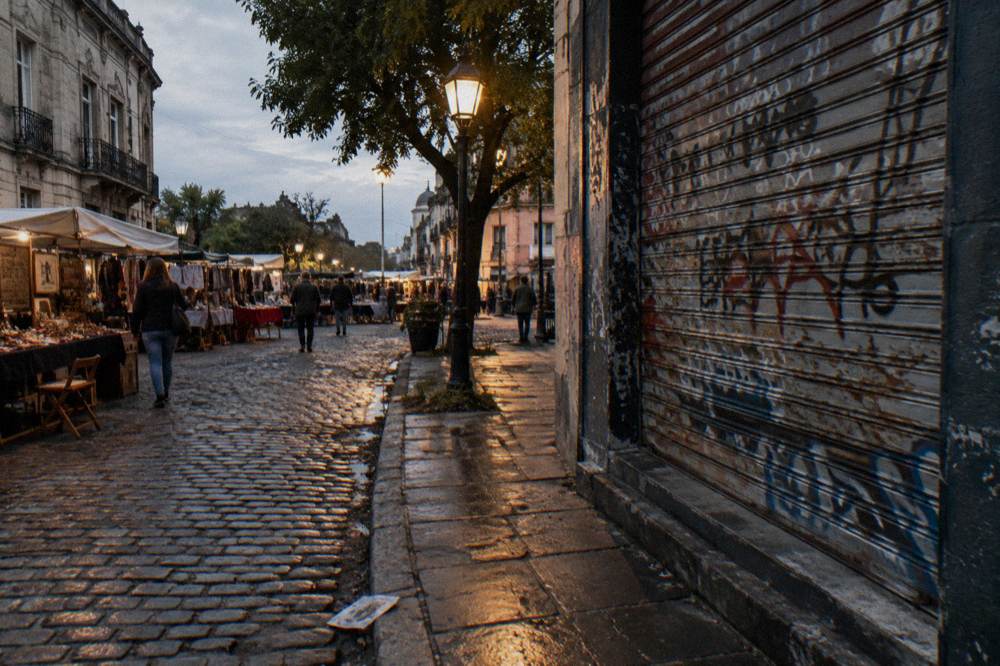
The themed walks downtown follow the same logic. The Never Sleep Theme Walk, rated 4.76 out of 5 across 269 GuruWalk reviews, is pay what you want and meets at the Teatro Colón, though the Teatro Colón itself is a paid attraction, with guided tours at ARS 37,000 general, ARS 18,000 residents and ARS 8,000 for resident retirees and students. The walk and the building are separate purchases, and conflating them is the most common budgeting error on this topic.
| Free part | Paid part in the same place | Figure where published |
|---|---|---|
| Caminito street and murals | Boca museum; stadium experience | On each listing |
| Palermo Soho walls and Plaza Serrano | Shops, cafés, galleries | Retail prices |
| Jardín Botánico Carlos Thays | Jardín Japonés | ARS 24,000 non-residents, ARS 8,000 residents |
| Parque Tres de Febrero and lakes | Paddle boats | On site |
| Mercado de San Telmo browsing | Food and antiques inside | Stall prices |
| Walking with any GuruWalk guide | The tip at the end | You decide |
When Should You Go To Buenos Aires Street Art?
Street art has no opening hours, so the timing question is really about the paid and conditional neighbours. The Jardín Botánico is free but closes Mondays, as do the Reserva Ecológica Costanera Sur; the Feria de San Pedro Telmo and the Patio de Tango run on Sundays; and the Reserva Ecológica runs its summer schedule, 8:00 to 19:00, from November to March. The murals themselves are there every day, at any hour. A free walk meets close to this area, Palermo Soho Street Art.
Sundays are the strongest single choice if you want the street art and the fair together. The Feria de San Pedro Telmo fills the San Telmo streets, the Patio de Tango plays on Plaza Dorrego, and the walk between murals, market stalls and the free plaza becomes a single loop. The trade-off is that Sunday is when everyone else makes the same choice. The GuruWalk listing carries no crowd or quiet-hour claims, so the honest framing is simply that Sunday maximises what is happening, not that it minimises company.
Weekdays flip the logic. With no fair and no Patio de Tango, the walls are the whole show, and the paid neighbours run their ordinary schedules. The Wednesday question that comes up across the museum guides on this site barely touches street art: no mural or street has a free day, because no mural or street has a fee. Wednesday only matters if you are folding MAMBA or PROA into the same day, both free on Wednesday for all visitors, or MALBA, which is half price on Wednesday at ARS 7,000 rather than free.
Seasonally, the November to March window puts the Reserva Ecológica on its summer schedule, 8:00 to 19:00, closed Mondays except holidays and in bad weather, which matters if a Palermo street art day stretches toward the ecological reserve on the Costanera Sur side. The annual November night when museums open free of charge, Noche de los Museos, is a separate downtown event rather than a street art one, but it lands in the same window.
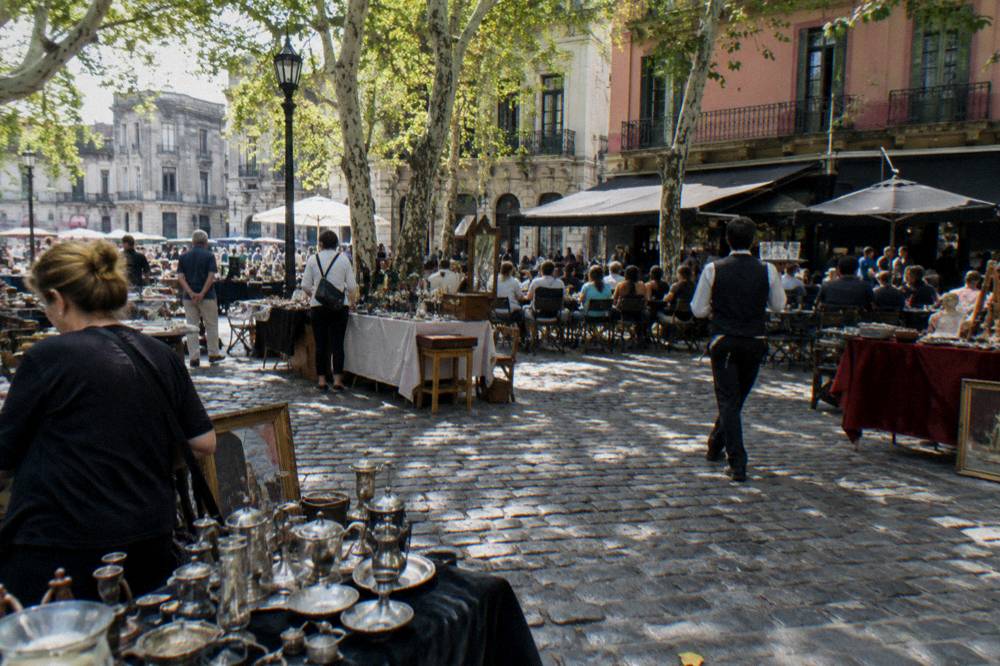
The walks have their own calendars, and the meeting point is the anchor. The San Telmo Essentials walk meets at the Mercado de San Telmo on Adolfo Alsina 400; the Palermo Soho Street Art Tour meets at Plaza Serrano. Booking either through the guide's GuruWalk page shows the available dates and times, and that live listing is the only reliable schedule, since individual guides set their own slots. Nothing in official sources fixes a best hour for photography, so no claim is made here.
How Do You Combine Buenos Aires Street Art With Other Free Sights?
The clean combinations are neighbourhood-shaped: Palermo walls with the Jardín Botánico, the Bosques de Palermo and the Floralis Genérica; San Telmo walls with the Mercado de San Telmo, Plaza Dorrego and the Sunday fair; La Boca with the Caminito loop; and downtown with Plaza de Mayo, the Cabildo, the Catedral Metropolitana and the Obelisco, all free public space. A free walk meets close to this area, Palermo Soho Street Art.
Palermo is the easiest full free day in the city. Start where the Palermo Soho Street Art Tour starts, Plaza Serrano, work the mural blocks, then cross into the Jardín Botánico Carlos Thays, free and closed Mondays, and continue into the Bosques de Palermo, where the lakes and the park are free and only the paddle boats are paid. The Floralis Genérica sits at the park's edge. Every piece of that chain is in the free column, and the whole of it is walkable as one route of the city's own making.
San Telmo works the same way on a smaller footprint. The walls, the Mercado de San Telmo and Plaza Dorrego sit within a few blocks of each other, and the San Telmo and Monserrat walks pick up the colonial layer on top: the Cabildo de Buenos Aires, free as a national museum, is the meeting point of the Origins: San Telmo and Monserrat walk, 4.96 out of 5 across 51 GuruWalk reviews. The free things to do in San Telmo guide lays out the barrio's full free list.
The Downtown Intro, 3 Hours walk on GuruWalk, rated 4.84 out of 5 across 1,332 reviews, is the natural bridge if you want street art and the historic centre in one day. It meets at the Biblioteca del Congreso on Av. Hipólito Yrigoyen 1750, runs 3 hours in English and Spanish, and covers the Congreso-to-Plaza-de-Mayo spine, where the Obelisco, the Plaza de Mayo, the Catedral Metropolitana and the free Museo Casa Rosada cluster. The Plaza de Mayo and Casa Rosada guide details that side.
For a shorter downtown option, the Short City Center History Walk, 4.91 out of 5 across 621 GuruWalk reviews, runs 1 hour 45 minutes in English from the Congress Monument at Plaza del Congreso. It is the same spine in less than two hours, pay what you want, and it pairs well with an afternoon given entirely to Palermo's walls.
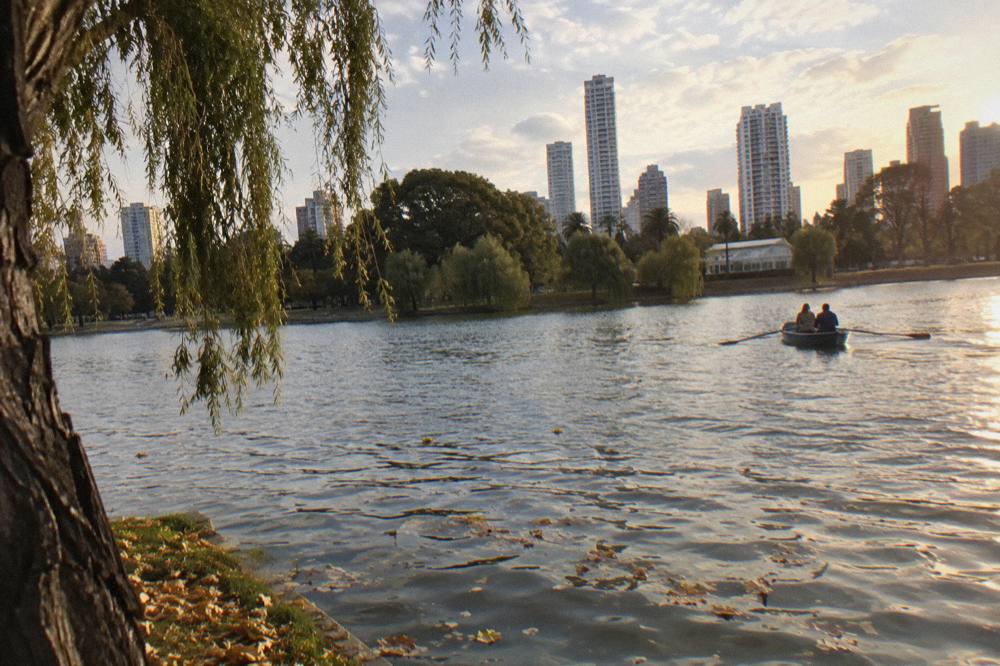
La Boca combines least freely, and knowing that saves money. Caminito is the free core, the Tango, Art, Football Walk is the pay-what-you-want card for the barrio, and the museum and stadium are paid extras you choose or skip. Folding La Boca into a San Telmo morning works on the map; both barrios sit in the south of the city, and the free Caminito-and-market pairing is a classic half day.
Which Free Walking Tours Meet Near Buenos Aires Street Art?
The pay-what-you-want walks cluster around the mural neighbourhoods: the Palermo Soho Street Art Tour meets at Plaza Serrano, the San Telmo Essentials walk meets at the Mercado de San Telmo, the Tango, Art, Football Walk meets by Parque Lezama for La Boca, and the downtown walks meet between Congreso and Plaza de Mayo. Every one is free to book, tipped at the end, and bookable through the guide's GuruWalk page.
GuruWalk is the platform behind the English-capable walks on this site, and every walk here is run by an independent local guide rather than by this site or by GuruWalk itself. The Palermo Soho Street Art Tour, 4.91 out of 5 across 161 GuruWalk reviews, is the only walk whose subject is the murals directly: 2 hours 30 minutes, English and Spanish, Plaza Serrano. In San Telmo, the Essentials walk in English, 4.87 out of 5 across 209 reviews, meets inside the market's own address on Adolfo Alsina 400.
In La Boca the choice is between the English, Spanish and French Tango, Art, Football Walk, 4.81 out of 5 across 1,469 GuruWalk reviews, meeting at Av. Martin Garcia 270 by Parque Lezama, and the Spanish-only options including the freetour.com La Boca walk, which meets at Caminito and Magallanes and is listed on its freetour.com listing. The freetour.com ratings are out of 10 and their review counts are shown on their own listings, never mixed into GuruWalk's totals.
Downtown, the walks bracket the whole corridor. The Max 6 People Small Group walk, 4.97 out of 5 across 551 GuruWalk reviews, is 3 hours 30 minutes from the Obelisco at Plaza de la República, with a six-person cap. The Never Sleep Theme Walk and the Paris of Latin America Theme walk both meet at the Teatro Colón, at 4.76 out of 5 across 269 reviews and 4.69 out of 5 across 155 reviews respectively. The First-Timer Welcome, Trilingual walk, 4.92 out of 5 across 743 reviews, meets at the Casa Rosada in Plaza de Mayo.
The Max 6 People Small Group walk suits visitors who want depth over breadth: three and a half hours, a capped group, English and Spanish, and the strongest rating-to-volume profile among the downtown walks. Reserve through the guide's GuruWalk page, where the live listing shows dates, the meeting point and the languages for each slot.
The Short City Center History Walk, 4.91 out of 5 across 621 GuruWalk reviews, is the compact version: 1 hour 45 minutes, English only, from the Congress Monument. Meeting it early and heading to Palermo after is a pattern that fits a single long day, and the free walking tours in Buenos Aires guide explains how the pay-what-you-want model works in practice.
The Max 6 People Small Group walk is the deep-dive card in that set. For anyone whose day is really about the murals, though, the logic is simple: take one walk in the mural neighbourhood itself, Palermo or La Boca, and use a downtown walk on a different day. The walls reward wandering before and after a walk; the historic centre rewards a guide's timeline.
Mistakes That Trip People Up At Buenos Aires Street Art
The recurring mistakes are calling paid things free, mixing up which Wednesday rule applies, assuming a walk includes entry fees, and treating a Spanish-only walk as an English one. Each error comes from a real split, and each is avoidable with one habit: read the free part, the paid part and the language of any walk before booking. One of the free walks starts in this part of the city: Palermo Soho Street Art.
The first mistake is blurring Caminito with its paid neighbours. Caminito is free to walk while the Boca museum and the stadium experience are paid, and a visitor who budgeted zero for La Boca but bought stadium entry has not been overcharged, they have simply met the paid column. The second is the Jardín Japonés: it sits inside the free park system but is itself paid, ARS 24,000 for non-residents, so folding it into a "free Palermo day" breaks the budget.
The third is Wednesday. MALBA on Wednesday is half price at ARS 7,000, never free for general visitors; MAMBA and PROA are free on Wednesday for all visitors; the city museums are free on Wednesday for Argentine residents with DNI only. None of that applies to street art, which has no fee and therefore no free day, but a combined art day that assumes "museums are free on Wednesday" will hit at least one wrong door.
The fourth is the additional-costs chip. Some walks, including the Retiro and Recoleta walk by WalkBa Tours and the Spanish-only pizzeria walk, carry extras that are bought separately; guiding is pay what you want, entry or food is not. The fifth is language: several strong walks, including the Che-themed walk at 4.93 out of 5 across 1,084 reviews, run in Spanish only, and booking one expecting English is a waste of a slot. Check the language line on the guide's GuruWalk page before reserving.
| Mistake | What the GuruWalk listing actually says |
|---|---|
| Calling the Jardín Japonés free | Paid, ARS 24,000 non-residents, ARS 8,000 residents |
| Calling MALBA free on Wednesday | Half price, ARS 7,000 general, students, teachers and retirees free that day |
| Assuming a walk covers entry fees | Walks are pay what you want; entries and food on additional-costs walks are separate |
| Booking a Spanish-only walk for English | Language is stated on each walk's listing |
| Calling the Obelisco climbable | Free to see from outside; no mirador entry is recorded |
Common Questions About Buenos Aires Street Art
Is Buenos Aires street art free to visit?
Yes. The murals of Palermo, Colegiales, San Telmo and Caminito in La Boca are on public streets with no ticket or viewing fee. The walls are classified as open public space. What costs money is everything around them: shops, food, and paid attractions like the Boca museum or the Jardín Japonés.
Where is the best street art in Buenos Aires?
The GuruWalk listing names Palermo and Colegiales as the street art areas, with Plaza Serrano the meeting point of the dedicated street art walk. San Telmo's walls and La Boca's painted Caminito complete the free set. The Palermo Soho Street Art Tour on GuruWalk, 4.91 out of 5 across 161 reviews, covers a walk in Palermo.
Is there a free street art tour in Buenos Aires?
Yes. The Palermo Soho Street Art Tour on GuruWalk is pay what you want, meeting at Plaza Serrano, running 2 hours 30 minutes in English and Spanish. In La Boca, the Tango, Art, Football Walk, 4.81 out of 5 across 1,469 reviews, is the English-capable option, meeting at Av. Martin Garcia 270 by Parque Lezama.
Is Caminito free to walk?
Yes, Caminito is free to walk, an open public space with no entry fee. The paid parts of La Boca are separate: the Boca museum and the stadium experience are paid attractions with their own listings. A Caminito visit can cost nothing at all if you skip the paid interiors.
What does a free walking tour in Buenos Aires cost?
The walks themselves cost nothing to book. They work on a pay-what-you-want basis: you reserve a spot, walk with the guide, and tip what you choose at the end. No money figure is ever charged against the walk itself. How much people tip is a separate question this site covers in its tipping guide.
Can you see Caminito and the street art in one day?
Yes. Caminito and San Telmo's walls sit in the south of the city and pair naturally as a half day, both free to walk. The Tango, Art, Football Walk covers La Boca and the San Telmo Essentials walk covers San Telmo, each pay what you want on GuruWalk. Palermo's murals are better saved for a separate day.