Palermo Buenos Aires: What Is Free And What Costs Money
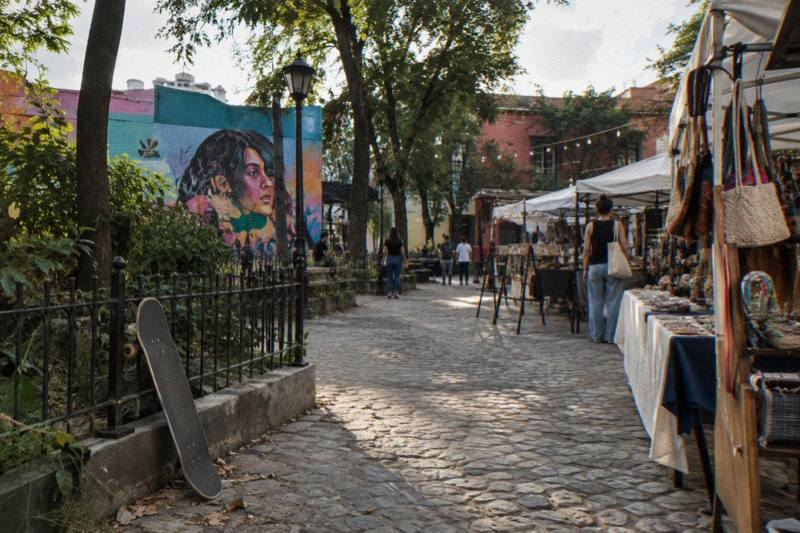
Palermo is the greenest and most walkable barrio in Buenos Aires, and most of its best-known sights cost nothing: the lakes, the Rosedal, the Jardín Botánico Carlos Thays, the Floralis Genérica and whole walls of street art. Here is exactly what is free, what is paid, and how the free walks fit in.
In Short
Yes, Palermo itself is free to visit: Parque Tres de Febrero and its lakes, the Rosedal, the Jardín Botánico Carlos Thays, Plaza Serrano and the street art of Palermo Soho all cost nothing. Paid extras sit inside the free frame: MALBA is half price on Wednesday at ARS 7,000, and the Jardín Japonés charges ARS 24,000 for non-residents. Free GuruWalk walks meet at Plaza Serrano and the Jardín Botánico.
Part of the Free Things To Do In Buenos Aires guides.
Quick Facts
| Question | Answer |
|---|---|
| Is Palermo free to visit? | Yes, the barrio, its parks and its street art are free for everyone |
| Free highlights | Bosques de Palermo, Rosedal, Jardín Botánico Carlos Thays, Floralis Genérica, Plaza Serrano |
| What costs money | Jardín Japonés (ARS 24,000 non-residents), paddle boats on the lakes, MALBA full price |
| MALBA on Wednesday | Half price for everyone, ARS 7,000; free only for students, teachers and retirees |
| Closed days to know | Jardín Botánico closes Mondays; MALBA closes Tuesdays |
| Nearest free walk platform | GuruWalk, with walks meeting at Plaza Serrano and the Jardín Botánico |
Is Palermo Free To Visit?
Yes, Palermo is free to visit. Walking the barrio costs nothing: Parque Tres de Febrero and its lakes, the Rosedal rose garden, the Jardín Botánico Carlos Thays, Plaza Serrano and the painted walls of Palermo Soho are all open public space with no entry charge for anyone. The paid items are specific attractions inside or beside the barrio, mainly the Jardín Japonés and MALBA, and even those have discount regimes worth knowing. One of the free walks starts in this part of the city: Palermo Parks and Green Spaces.
That distinction between the free frame and the paid inner attractions is the single most useful thing to understand about Palermo. The barrio is enormous and mostly outdoor. Its identity comes from its parkland, from low houses turned into cafes and design shops, and from murals that cover entire side walls. None of that has a ticket. A full day of Palermo, from the lakes in the morning to the street walls of Palermo Soho in the afternoon, can genuinely be spent without paying entry to anything.
The traps are few but real. The Jardín Japonés, inside the park area, is paid: ARS 24,000 for non-residents and ARS 8,000 for residents. MALBA, on Avenida Figueroa Alcorta at the edge of Palermo, is a paid museum with a half-price Wednesday rather than a free one. And the paddle boats on the Parque Tres de Febrero lakes are a paid activity sitting inside a free park. Every one of those pairs is a free outside with a paid inside, and this guide keeps the two facts together throughout.
For context on how free things work across the city, the free museums in Buenos Aires guide covers the national museums that are free for all, and the free things to do in Recoleta guide covers the neighbouring barrio you will likely walk through between downtown and Palermo.
What Is Free Around Palermo?
The free list is long: Parque Tres de Febrero with its lakes, the Rosedal, the Jardín Botánico Carlos Thays, the Floralis Genérica sculpture, Plaza Serrano, the street art of Palermo Soho and Colegiales, and MALBA's half-price Wednesday at ARS 7,000, with free entry only for students, teachers and retirees on that day. All of the outdoor items are free for everyone with no conditions attached.
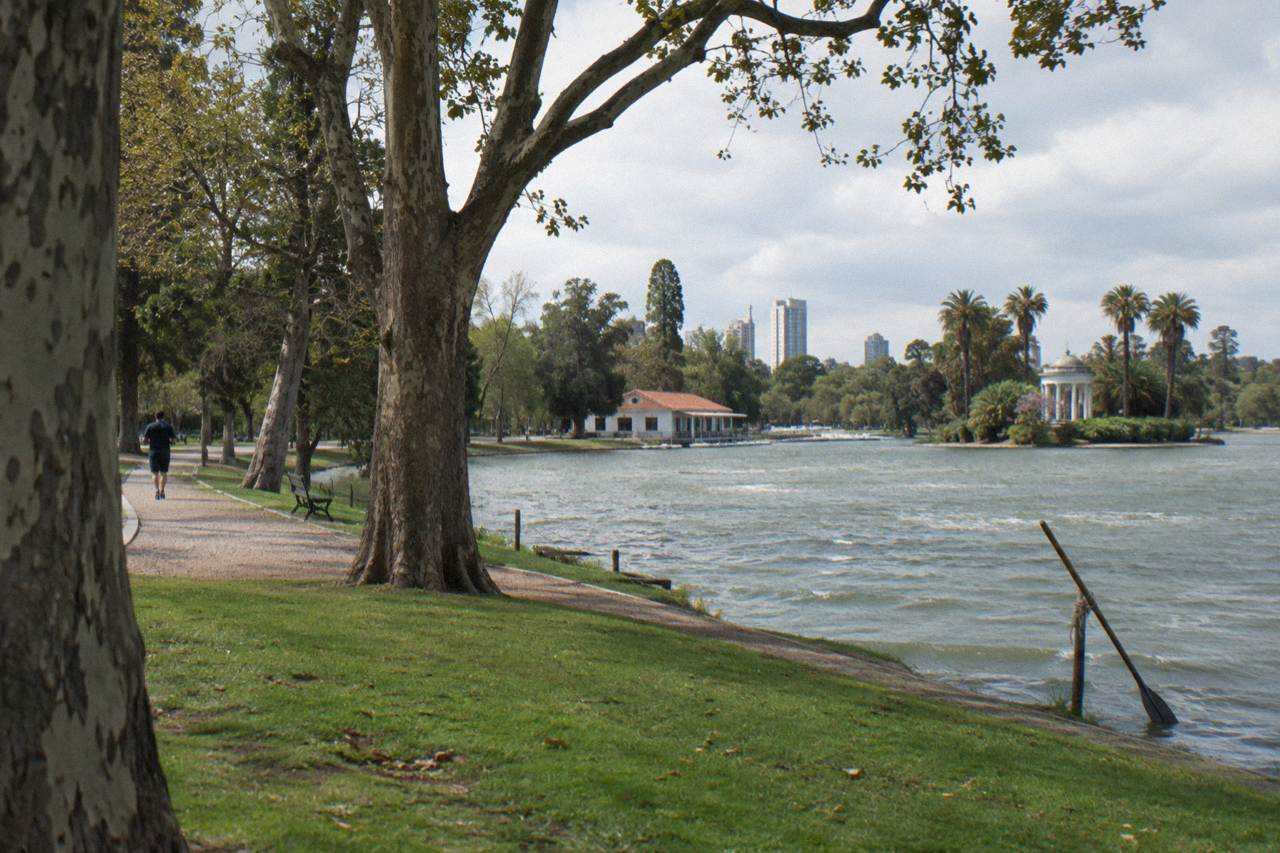
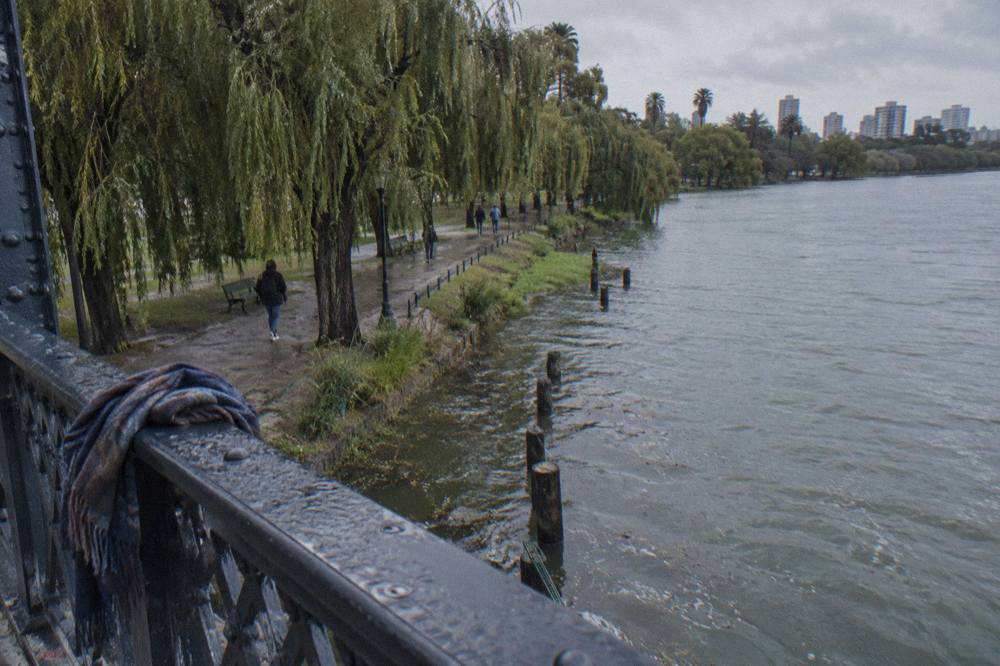
Start with the Bosques de Palermo, the parkland most visitors mean when they say "the parks". It is free open public space, and the lakes of Parque Tres de Febrero inside it are free to walk around. The Rosedal, the rose garden section, is likewise free. The only paid thing here is the paddle boats on the lakes, which are a concession, so if your budget is zero you simply skip the boats and keep the shoreline.
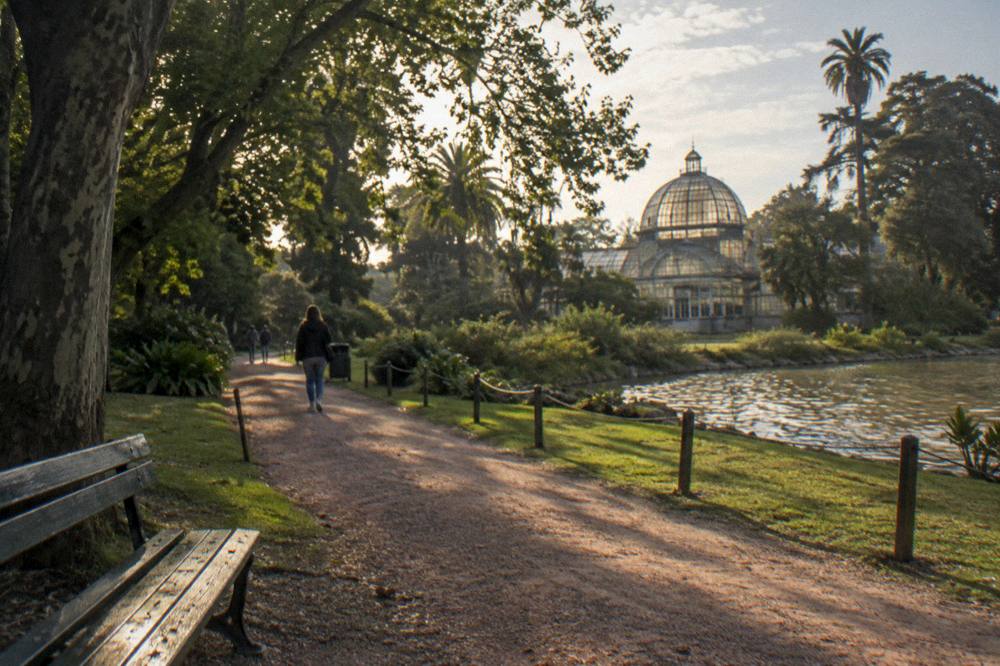
The Jardín Botánico Carlos Thays, on Avenida Santa Fe, is free and officially verified as such. It closes Mondays, so plan around that. Next to the broader park area stands the Floralis Genérica, the great steel flower sculpture that opens and closes with the light; it sits in open plaza space and is free to see at any hour of the day. A free walk meets in this neighbourhood: Palermo Parks and Green Spaces.
Palermo Soho, the low-rise blocks around Plaza Serrano, is where the barrio's street art concentrates. The walls are free to walk and photograph, and the outdoor gallery keeps growing. For a deeper dive, the Buenos Aires street art and murals article covers where else in the city the murals cluster.
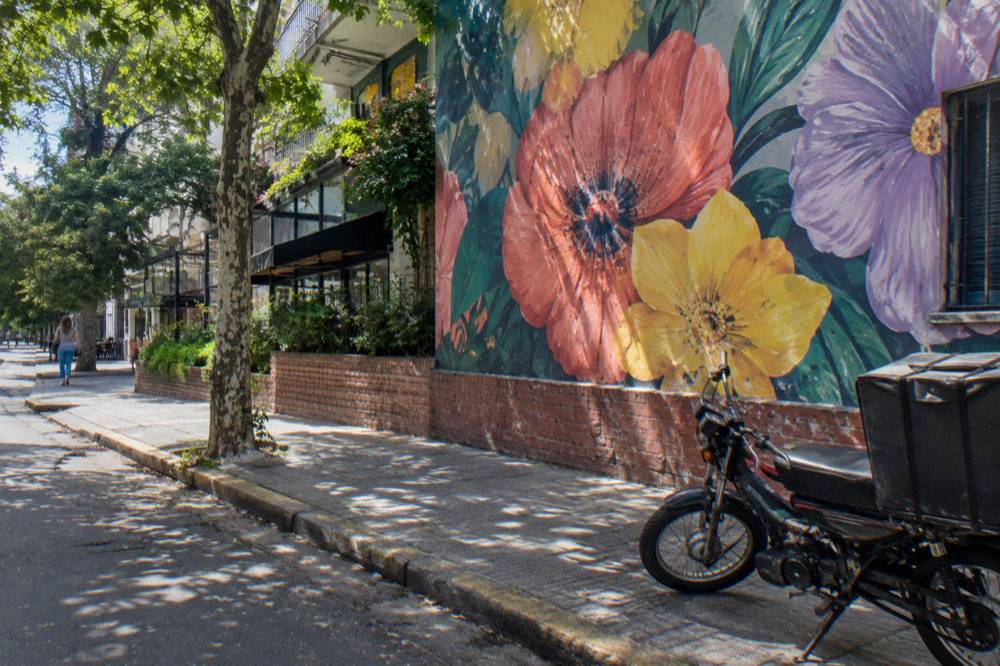
The best way into the walls is with a guide who knows the artists, and the Palermo Soho Street Art walk on GuruWalk does exactly that. It is free, pay what you want, rated 4.91 out of 5 across 161 GuruWalk reviews, meets at Plaza Serrano, and runs about 2 hours 30 minutes in English and Spanish. This site is not affiliated with GuruWalk; it simply lists the walk because it is one of the strongest English-language free walks in the barrio.
The two museums worth naming behave differently. MALBA is paid, closed Tuesdays, and on Wednesday it is half price, never free: ARS 7,000 general on Wednesday against ARS 14,000 other days, the same rate for tourists and residents, with free Wednesday entry only for students, teachers and retirees. That is a discount regime, not a free day, and treating it as free is one of the most common mistakes visitors make in this barrio.
| Sight | Free part | Paid part | Who pays |
|---|---|---|---|
| Parque Tres de Febrero and lakes | The whole park and shoreline | Paddle boats | Anyone who rides |
| Jardín Botánico Carlos Thays | Entry for all | Nothing recorded | Nobody |
| Floralis Genérica | The sculpture and plaza | None | Nobody |
| Palermo Soho street art | All walls, self-guided | None | Nobody |
| MALBA | Nothing free for general visitors | ARS 14,000, half price Wednesday at ARS 7,000 | All general visitors |
| Jardín Japonés | Nothing | ARS 24,000 non-residents, ARS 8,000 residents | Nearly everyone |
What Costs Money At Palermo?
The paid items are the Jardín Japonés at ARS 24,000 for non-residents and ARS 8,000 for residents, MALBA at ARS 14,000 general and ARS 7,000 on Wednesday, the paddle boats on the lakes, and the cafes and shops of Palermo Soho. None of these gates the free experience: the parks, the Botanical Garden, the street walls and the Floralis Genérica stay free regardless. A free walk meets in this neighbourhood: Palermo Parks and Green Spaces.
The Jardín Japonés is the biggest single ticket in the park area. It is a garden, not a public park, and its entry prices were verified on its official page: ARS 24,000 for non-residents and ARS 8,000 for residents, figures that move often in Argentine pesos. If your priority is green space rather than a curated garden, the Botanical Garden next door gives you a comparable botanical experience at no cost at all, and it closes Mondays rather than charging.
MALBA's pricing deserves a second look because it is unusual. Wednesday is half price for everyone, not free. Only students, teachers and retirees enter free, and only on Wednesday. On every other day the general rate is ARS 14,000 for tourists and residents alike. The museum closes Tuesdays. If modern Latin American art is your reason to come to Palermo, Wednesday is simply the cheaper day, and the MALBA and free art days guide breaks down how the city's free and half-price art days stack up across a week.
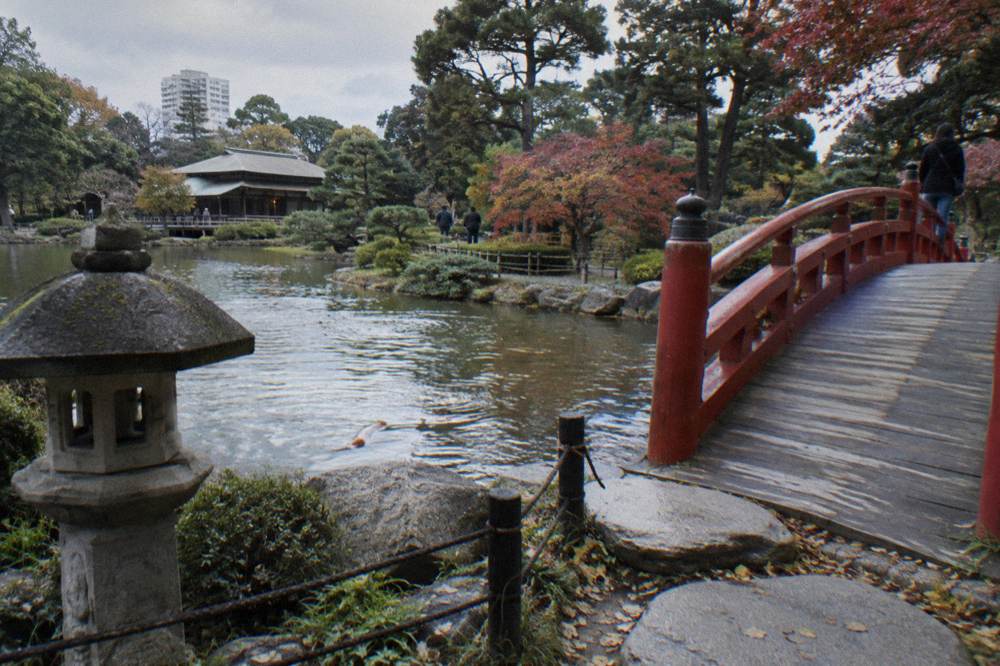
Beyond those two, the paid things in Palermo are ordinary commerce: coffee, shopping, restaurants, the paddle boats. None of it is a hidden cost trap. The barrio is a place where the default is free and the paid layer is opt-in, which is the opposite of Recoleta, where the cemetery itself now charges foreign visitors while the surrounding barrio is free.

When Should You Go To Palermo?
The parks are best in the southern summer, November to March, when the green spaces are in full use and the Reserva Ecológica Costanera Sur runs its summer hours of 8:00 to 19:00; the Botanical Garden closes Mondays year-round and MALBA closes Tuesdays, so Wednesday is the day that combines half-price art with everything open. November also brings the annual Noche de los Museos night of free museum entry.
Season matters less for Palermo than for the riverside reserves, because the parks and street walls are open public space with no hours gate other than daylight and the Botanical Garden's schedule. But a few calendar facts shape a visit. The Noche de los Museos is the annual November night when museums across the city open free of charge into the early hours. The city's tourism office publishes the details at turismo.buenosaires.gob.ar. A free walk meets close to this area, Palermo Parks and Green Spaces.
Tango season sits in the Argentine winter: the Festival y Mundial de Tango typically runs in August or September, with free activities alongside ticketed finals, and the official information lives at tangoba.org. None of that happens in Palermo's parks specifically, but it changes the feel of the whole city for those weeks, and the free tango in Buenos Aires guide covers what you can actually see for nothing.
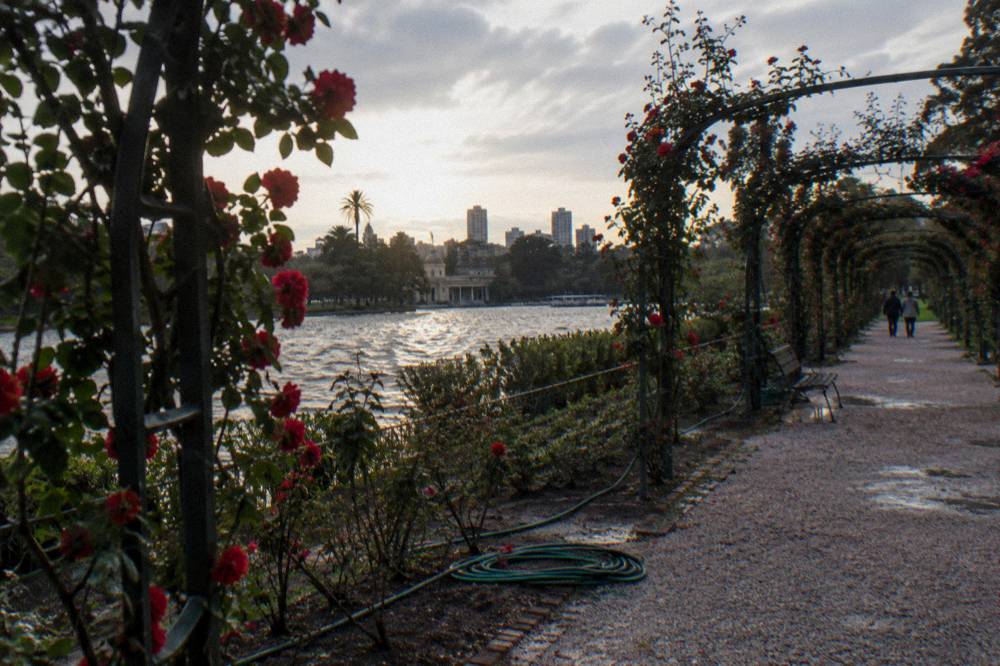
Day of week matters more than month. A Monday visit loses you the Botanical Garden and, if you extend to the riverside, the Reserva Ecológica Costanera Sur, which also closes Mondays. A Tuesday visit loses you MALBA. Wednesday gives you MALBA at half price and every park open. That makes Wednesday the structural best day for a Palermo itinerary built around the free-plus-discount model. More of these guides are collected on Free Things To Do In Buenos Aires.
| Day | What works | What does not |
|---|---|---|
| Monday | Parks, street art, Floralis Genérica | Jardín Botánico and Reserva Ecológica closed |
| Tuesday | Parks, street art | MALBA and the city museums closed |
| Wednesday | MALBA half price, all parks open, city museums free for residents with DNI | Nothing notable |
| Weekends | Ferias and fair atmosphere, all parks | MALBA at full price |
How Do You Combine Palermo With Other Free Sights?
Palermo chains naturally eastward: the parks lead down Avenida del Libertador past the Floralis Genérica toward Recoleta, whose cemetery is free for Argentine residents with DNI and paid for foreign visitors, and the Museo Nacional de Bellas Artes, which is free for all. Downtown and Plaza de Mayo sit a short paid subte ride away, and the hero free walk of the city, the Downtown Intro, covers that end for nothing but your tip. One of the free walks starts in this part of the city: Palermo Parks and Green Spaces.
The classic free chain is green to grand. Start in the Bosques de Palermo in the morning, walk past the Floralis Genérica, and continue into Recoleta, where the Museo Nacional de Bellas Artes charges nothing and the Recoleta Cemetery, once the city's famous free sight, now admits Argentine residents with DNI free while foreign visitors pay through the city's Entradas BA system. The Recoleta Cemetery guide walks through that change in full.
For the downtown end, the free walking tours are the efficient bridge. The hero walk of this site's directory, the Downtown Intro on GuruWalk, is a 3-hour pay-what-you-want walk rated 4.84 out of 5 across 1,332 GuruWalk reviews, meeting at the Biblioteca del Congreso and running in English and Spanish. It covers the downtown core that Palermo's parks sit far away from, and because guiding is tip-based it keeps the whole combined day inside a free-plus-tips budget.
If you would rather start big-picture, a band of central walks pairs well with a Palermo afternoon:
The other natural pairing is riverside. The Reserva Ecológica Costanera Sur, east toward Puerto Madero, is free for all visitors, open Tuesday to Sunday, with summer hours of 8:00 to 19:00 in force from November to March, and it closes Mondays plus a short list of public holidays. The Costanera Sur Ecological Reserve guide covers it in detail. Palermo's parks in the morning and the reserve's wetland paths in the afternoon make a full day whose only cost is transport between them.
Which Free Walking Tours Meet Near Palermo?
Two GuruWalk walks start inside Palermo itself: the Palermo Soho Street Art walk, meeting at Plaza Serrano, and the Palermo Parks and Green Spaces walk, meeting at the Jardín Botánico on Avenida Santa Fe. Both are free, pay what you want, run about 2 to 2 hours 30 minutes in English, and hold ratings of 4.91 out of 5 on GuruWalk. Many more walks across the city meet downtown or in Recoleta.
GuruWalk
Most walks here, run by independent guides
Pay what you want
freetour.com
A smaller set, mostly Spanish-led
Pay what you want
The parks walk is the one that turns the green half of the barrio into a story. Guided by Pablo on GuruWalk, rated 4.91 out of 5 across 53 GuruWalk reviews, it runs about 2 hours in English and meets at the entrance of the Jardín Botánico, Avenida Santa Fe 3951. It is free, pay what you want, and because it starts at the Botanical Garden it makes sense to book it for a day the garden is open, since it closes Mondays.
Beyond the barrio's own walks, Recoleta and Retiro are the nearest ground with a deep free-walk bench, including walks on both GuruWalk and freetour.com. The freetour.com walks there, such as the Recoleta and Retiro Free Walk listed on freetour.com, run about 2 hours 30 minutes in English and Spanish, and their ratings are on a 10-point scale rather than the five-star fill GuruWalk uses, so compare them on their own terms. Across this site's directory, 55 free walks ship with their own pages, split between GuruWalk and freetour.com, every one of them pay what you want.
| Walk | Platform | Rating and reviews | Meets at | Duration |
|---|---|---|---|---|
| Palermo Soho Street Art | GuruWalk | 4.91 out of 5, 161 reviews | Plaza Serrano | 2 h 30 |
| Palermo Parks and Green Spaces | GuruWalk | 4.91 out of 5, 53 reviews | Jardín Botánico, Av. Santa Fe 3951 | 2 h |
| Downtown Intro (hero) | GuruWalk | 4.84 out of 5, 1,332 reviews | Biblioteca del Congreso | 3 h |
| Recoleta and Retiro Free Walk | freetour.com | 9.3 out of 10, reviews shown on its freetour.com listing | Teatro Colón, Viamonte and Libertad | 2 h 30 |
For how the pay-what-you-want model actually works, tipping norms included, the how free walking tours work in Buenos Aires post answers it plainly.
Mistakes That Trip People Up At Palermo
The four mistakes that cost money or a morning: calling MALBA's Wednesday free when it is only half price, turning up at the Jardín Botánico on a Monday when it is closed, paying for the Jardín Japonés expecting a public park, and assuming every green space in the area follows the same rules. Each sight in Palermo carries its own regime. A free walk meets in this neighbourhood: Palermo Parks and Green Spaces.
The MALBA mistake is the most common. Wednesday is a half-price day at ARS 7,000, with free entry only for students, teachers and retirees. Visitors who plan a "free museum Wednesday" around MALBA arrive to a ticket desk. The genuinely free art in the city sits elsewhere, above all at the Museo Nacional de Bellas Artes in Recoleta, free for all and covered in its own guide on this site.
The Monday mistake follows close behind. The Jardín Botánico Carlos Thays and the Reserva Ecológica Costanera Sur both close Mondays. A visitor who saves the gardens and the reserve for a Monday loses both and finds MALBA's Tuesday closure waiting the next day. Wednesday, again, is the day that sidesteps every closure in one move.
The third mistake is softer: expecting the Jardín Japonés to be a public park like its neighbours. It is a paid garden, ARS 24,000 for non-residents, and the free botanical experience in the area is the Jardín Botánico. Choosing between them on purpose, rather than by accident at the gate, is the whole trick.
If your Palermo day is one leg of a longer free itinerary, this trio of central walks covers the rest of the city, all pay what you want:
Common Questions About Palermo
Is Palermo free to visit?
Yes. The parks, lakes, Rosedal, Jardín Botánico Carlos Thays, Floralis Genérica, Plaza Serrano and the street art of Palermo Soho are all free open public space. Paid items are separate attractions: the Jardín Japonés and MALBA, plus optional extras like the paddle boats.
Is the Jardín Japonés free?
No. The Jardín Japonés is paid: ARS 24,000 for non-residents and ARS 8,000 for residents. The free botanical alternative beside it is the Jardín Botánico Carlos Thays, which charges nothing and closes on Mondays.
Is MALBA free on Wednesday?
No, MALBA is half price on Wednesday, never free for general visitors: ARS 7,000 instead of ARS 14,000, the same rate for tourists and residents. Only students, teachers and retirees enter free, and only on Wednesday. The museum closes Tuesdays.
What is free in Palermo Soho?
The streets themselves. Plaza Serrano and the mural-covered blocks around it are free open public space, and the street art of Palermo and Colegiales is an outdoor gallery with no gate. A free, pay-what-you-want street art walk on GuruWalk meets at Plaza Serrano.
Which free walking tours meet in Palermo?
The Palermo Soho Street Art walk meets at Plaza Serrano and the Palermo Parks and Green Spaces walk meets at the Jardín Botánico, both on GuruWalk, both free and pay what you want, rated 4.91 and 4.91 out of 5 on GuruWalk respectively.
When is the best day of the week for Palermo?
Wednesday. Every park is open, MALBA runs its half-price day at ARS 7,000, and the city's museum free-day schemes, which apply to Argentine residents with DNI at the city museums, also fall on Wednesday. Monday loses you the Botanical Garden and the Reserva Ecológica; Tuesday loses you MALBA.