Bosques De Palermo And The Free Parks And Gardens Of Buenos Aires
The Bosques de Palermo, the Jardín Botánico Carlos Thays, the Rosedal and the Floralis Genérica cost nothing to enter, while the Jardín Japonés charges non-residents ARS 24,000 and the lakes' paddle boats are a separate paid service. Here is the full free-versus-paid split, the closing days that catch visitors out, and the free walking tours that meet closest to the green.
In Short
The big Palermo green spaces are free: the Bosques de Palermo, the Rosedal, the lakes of Parque Tres de Febrero and the Jardín Botánico Carlos Thays cost nothing to walk in, and the Floralis Genérica is a free open-air monument. The Jardín Japonés is paid, ARS 24,000 for non-residents in November 2026, and paddle boats on the lakes are paid too. The Botánico and the Reserva Ecológica Costanera Sur close on Mondays.
Part of the Free Things To Do In Buenos Aires guides, this one covers the city's green spaces: what genuinely costs nothing, what quietly charges, and how the park mornings fit with the rest of a free day.
Quick Facts
| Question | Answer |
|---|---|
| What is free | Bosques de Palermo, Rosedal, Parque Tres de Febrero lakes, Jardín Botánico Carlos Thays, Floralis Genérica, Reserva Ecológica Costanera Sur, La Glorieta de Barrancas de Belgrano |
| For whom | Everyone, no resident condition on any of the free green spaces |
| What costs money | Jardín Japonés (ARS 24,000 non-residents, ARS 8,000 residents), paddle boats on the Palermo lakes, the Tigre boat rides |
| Closing days | Jardín Botánico and Reserva Ecológica close Mondays; the Botánico grounds are the only park listed here with a fixed weekly closure in Palermo itself |
| Nearest free walk platform | Palermo walks run on GuruWalk; the San Telmo and Centro walks also run on GuruWalk, with some listed on freetour.com |
Is Buenos Aires Parks And Gardens Free To Visit?
Yes, Buenos Aires' headline parks and gardens are free for everyone, with no resident conditions: the Bosques de Palermo, the Rosedal, the lakes of Parque Tres de Febrero, the Jardín Botánico Carlos Thays, and the Floralis Genérica all charge nothing. The one famous exception is the Jardín Japonés, which costs ARS 24,000 for non-residents and ARS 8,000 for residents.
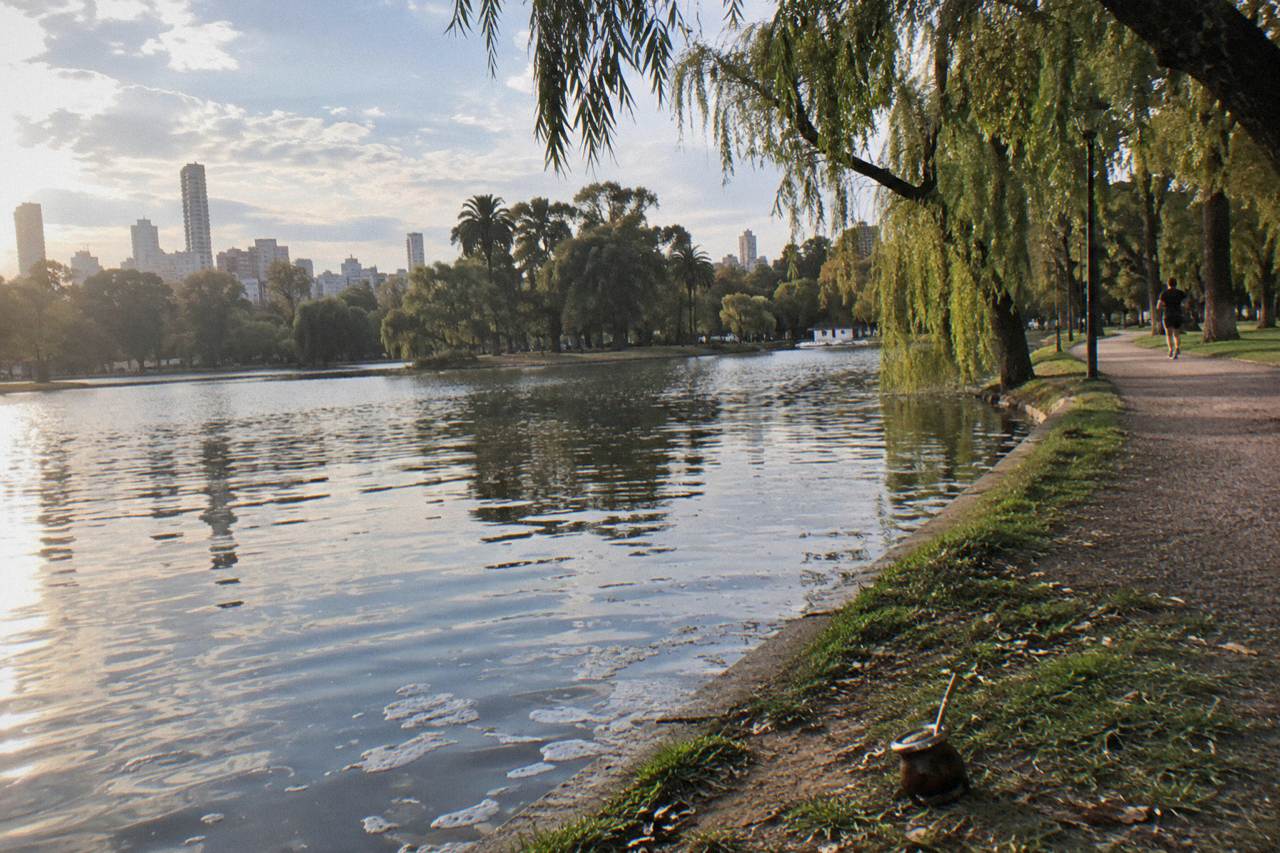
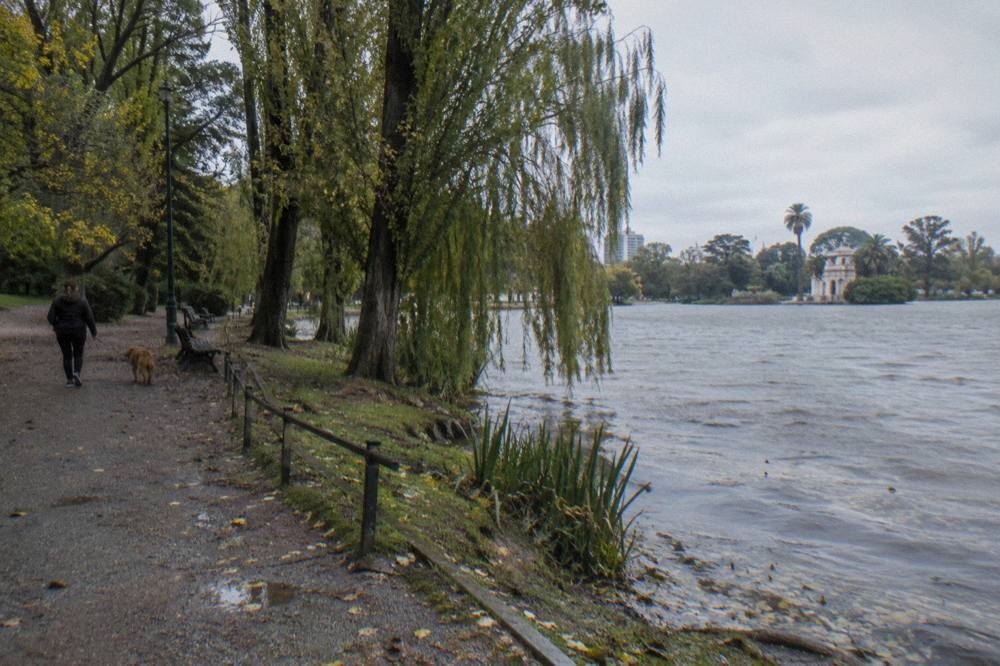
That split, free ground underfoot with one paid garden inside it, is the single most useful thing to understand before a Palermo park day. The Bosques de Palermo is the name visitors use for the whole wooded stretch of Parque Tres de Febrero: the lakes, the Rosedal rose garden, the broad lawns and the tree-lined drives. None of it has a gate, a ticket or a residents-only rule. You walk in from any side, and the free part is the part most people actually come for: the lakeside paths, the picnickers, the scenery around the water.
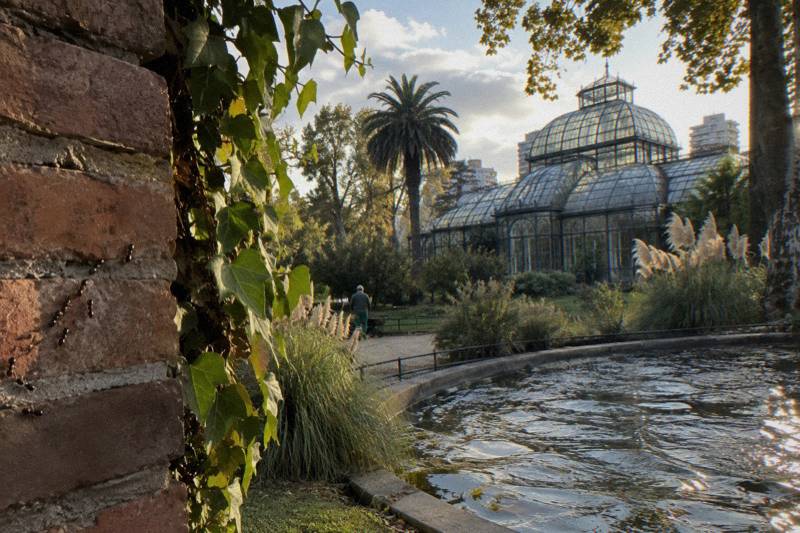
The Jardín Botánico Carlos Thays, which sits just across Avenida Santa Fe from the Bosques, is also free for all visitors. It is a designed botanical garden rather than an open park: themed sections, greenhouses, a botanical library, and a layout meant for slow wandering rather than ball games. It is one of the few green spaces in this guide with a fixed weekly closure, so it earns its own entry in the closing-days table further down.
Two more free entries complete the Palermo set. The Floralis Genérica, the giant moving metal flower on the United Nations plaza, is a free open-air monument you simply walk up to, and it is one of the most photographed free things in the city. And La Glorieta de Barrancas de Belgrano, the bandstand in the Barrancas de Belgrano park, is free to visit, with a Sunday tango angle covered in the timing section below.
The trap is assuming the whole green cluster behaves the same way. It does not. The Jardín Japonés, inside the same park area, charges; the paddle boats on the lakes are a commercial concession; and if you extend a park day out to Tigre, the Puerto de Frutos market is free to browse while the delta boats are paid. Free outside, paid inside, is the pattern to watch for, and the costs section names every paid piece.
What Is Free Around Buenos Aires Parks And Gardens?
The free list is long: the Bosques de Palermo lawns and lakes, the Rosedal, the Jardín Botánico Carlos Thays, the Floralis Genérica, the Reserva Ecológica Costanera Sur, La Glorieta de Barrancas de Belgrano, the Parque de la Memoria, and street art across Palermo, all open to everyone with no entry charge and no resident condition. Free walking tours of the Palermo parks also run on GuruWalk, pay what you want.
GuruWalk
Most walks here, run by independent guides
Pay what you want
freetour.com
A smaller set, mostly Spanish-led
Pay what you want
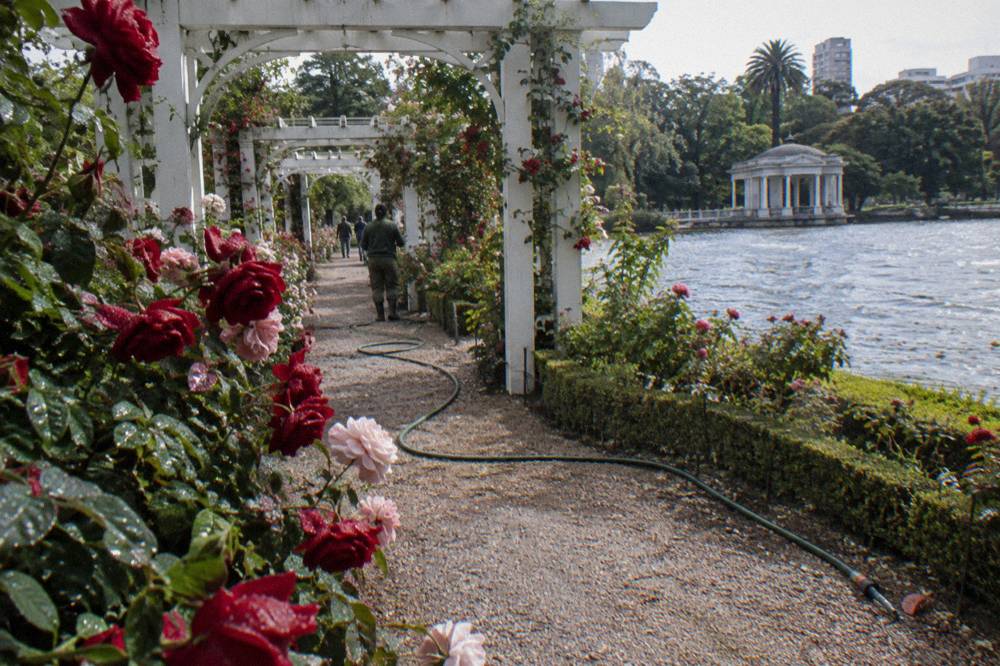
Start with the Palermo cluster, because it is the biggest single free area in the city. Parque Tres de Febrero and its lakes cost nothing: the lawns, the water views, the drive-lined avenues and the people-watching are all free. The Rosedal, the rose garden on the lake's edge, is free to walk through, and it reads as the deliberately pretty heart of the park. Around the edges, the street art of Palermo Soho and Palermo Hollywood is free open-air viewing, the subject of a dedicated Palermo free things guide elsewhere on this site.
East of Palermo, the Reserva Ecológica Costanera Sur is free for all visitors, a nature reserve on the riverfront with walking and cycling trails. It runs a seasonal schedule: in the November to March summer window the reserve opens 8:00 to 19:00, and it closes on Mondays except holidays, plus 1 May, 24 and 25 December, 31 December and 1 January, and in bad weather. The city's tourism pages carry the current notice, worth a glance at turismo.buenosaires.gob.ar before you set out. Further up the riverbank, the Parque de la Memoria, the riverside sculpture and memory park, is also free to walk.
Free guiding covers the parks too. The Palermo Parks and Green Spaces walk on GuruWalk, 4.91 out of 5 across 53 GuruWalk reviews, meets at the Jardín Botánico on Avenida Santa Fe and runs two hours in English, pay what you want. Its full card sits further down this page. Beyond Palermo, the free walk network across the city covers the centre, San Telmo, La Boca and Recoleta, and this directory lists 55 free walks in total, the rest on GuruWalk alongside the walks listed on freetour.com.
What Costs Money At Buenos Aires Parks And Gardens?
The paid items are specific and few: the Jardín Japonés at ARS 24,000 for non-residents and ARS 8,000 for residents, the paddle boats on the Palermo lakes, the Tigre delta boats and the Tren de la Costa, and any food, drink or bike rental you buy inside the parks. Nothing on the free list above carries a charge, and no free walking tour in this directory charges a booking fee.
The Jardín Japonés is the one real ticket inside the Palermo green cluster, ARS 24,000 for non-residents in November 2026, with a reduced ARS 8,000 rate for residents. It sits between the Botánico and the Bosques, which makes it an easy accidental splurge on a route where everything around it is free. Visitors who only want the Japanese-garden look without the ticket can enjoy the free landscaping of the Botánico next door and the lakeside willows of the Bosques instead. A separate article on this site tackles whether the Japanese Garden is free in full.
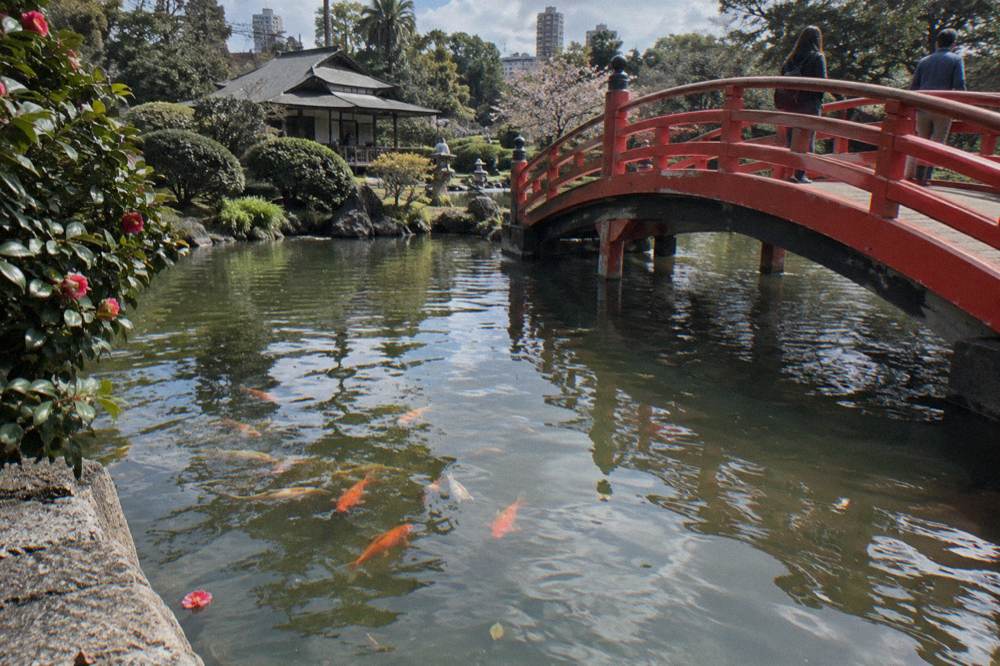
The paddle boats on the Parque Tres de Febrero lakes are the second paid piece: the park and its lakeshores are free, the boats on the water are a concession. The same two-fact pattern repeats across the city's outdoor list. In La Boca, Caminito is free to walk while the Boca museum and stadium experiences are paid. In Tigre, the Puerto de Frutos market is free to browse while the delta boat rides are paid. Free outside, paid inside: name both facts when you plan, and budget for the inside piece only if it matters to you.
| Green space | Free part | Paid part | Who pays |
|---|---|---|---|
| Bosques de Palermo / Parque Tres de Febrero | Lawns, lakes, Rosedal, all paths | Paddle boats on the lakes | Everyone who rents a boat |
| Jardín Botánico Carlos Thays | Whole garden, free entry | None on entry | No one |
| Jardín Japonés | Nothing | Entry, ARS 24,000 | Non-residents; residents ARS 8,000 |
| Floralis Genérica | The monument and plaza | None | No one |
| Reserva Ecológica Costanera Sur | All trails and entry | None | No one |
| Tigre, Puerto de Frutos | Market browsing | Delta boats, Tren de la Costa | Everyone riding |

Walking tours stay on the free side of the ledger. Every walk in this directory is pay what you want: you reserve a place, walk, and tip the guide what you choose at the end. No money figure belongs on any of them, and none appears on this site. The Palermo Soho Street Art tour on GuruWalk, 4.91 out of 5 across 161 GuruWalk reviews, two and a half hours in English and Spanish, meeting at Plaza Serrano, is the nearest walk to the park cluster.
When Should You Go To Buenos Aires Parks And Gardens?
Go on any day but Monday if the Jardín Botánico or the Reserva Ecológica are on your list, because both close Mondays, and go on a Sunday if you want the free open-air tango at La Glorieta in Barrancas de Belgrano. November to March puts the Reserva on its longer 8:00 to 19:00 summer schedule. No time-of-day rule applies to the Bosques themselves, which have no gates or hours.
The Monday closure is the practical anchor of park planning. The Botánico and the Reserva both shut on Mondays (holidays excepted), so a Monday itinerary should lean on the always-open pieces: the Bosques, the Rosedal, the lakes, the Floralis Genérica and La Glorieta. The rest of the week, everything in this guide is available, and the only other fixed closures to note are the seasonal and weather closures at the Reserva, which also shuts on 1 May, 24 and 25 December, 31 December and 1 January, and during bad weather. The wider set of guides lives on Free Things To Do In Buenos Aires.
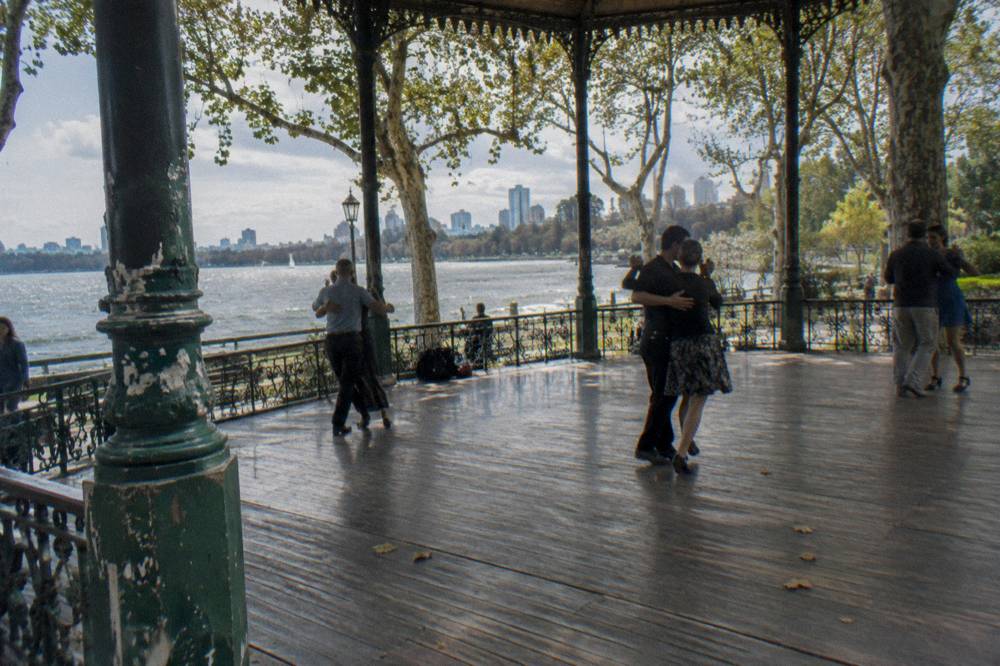
Sundays carry the free culture slot. The open-air milonga at La Glorieta de Barrancas de Belgrano runs on Sundays: community organisers run it a la gorra, meaning voluntary tips, with free watching and dancing. No schedule beyond the day is published in any source this site uses, so check the organisers' pages rather than expecting fixed times. The same day, the Feria de San Pedro Telmo fills Plaza Dorrego in San Telmo, and the Feria de Mataderos runs on its own Sunday rhythm, both free to browse, which makes Sunday the strongest single free day in the city.
Seasonally, the November to March window is park season proper: the Reserva's 8:00 to 19:00 summer hours are in force, the Rosedal is at its most photographed, and November brings Noche de los Museos, the annual November night when museums across the city open free of charge into the early hours, a useful pairing with a park afternoon. Weather moves quickly in this city, and the national weather service at smn.gob.ar is the place to check before committing to a riverfront or open-lawn day.
How Do You Combine Buenos Aires Parks And Gardens With Other Free Sights?
The classic free day strings the Palermo cluster together on foot, Jardín Botánico to Bosques to Rosedal to Floralis Genérica, then moves to a different free anchor in another barrio: the Reserva Ecológica and Puerto Madero's Puente de la Mujer on one afternoon, or San Telmo's market and fair on a Sunday, with a pay-what-you-want GuruWalk walk as the connective tissue in each neighbourhood.
Inside Palermo the combination writes itself, because the Botánico, the Bosques and the Jardín Japonés sit within a short walk of each other along Avenida Santa Fe and the streets south of it. Walk the free Botánico first, cross into the Bosques for the lakes and the Rosedal, and finish at the Floralis Genérica. Add the Jardín Japonés only if the ARS 24,000 non-resident ticket is worth it to you. This site's guide to free things to do in Palermo maps the full neighbourhood list.
For a riverfront day, pair the Reserva Ecológica with Puerto Madero: the reserve's trails run straight off the Puerto Madero waterfront, where the Puente de la Mujer is free to see and walk across, and the Costanera Sur reserve guide covers the trail detail. On Sundays the alternative is San Telmo: the Feria de San Pedro Telmo on Plaza Dorrego, the Mercado de San Telmo, and the free patio de tango that the city's tourism page confirms every Sunday on Plaza Dorrego, free to watch with tips for the performers.
The deeper combinations are themed rather than geographic. Street art pairs with parks, because the murals of Palermo Soho sit a short walk from the Bosques, and the Palermo Soho Street Art walk on GuruWalk, meeting at Plaza Serrano, turns that pairing into a guided two and a half hours. History pairs with green too: the Parque de la Memoria on the riverfront is itself a free open-air sculpture and memory park. And the annual calendar adds Noche de los Museos in November, when a park morning can roll into a night of free museum entry across the city.
Which Free Walking Tours Meet Near Buenos Aires Parks And Gardens?
The Palermo walks are the direct match: the Palermo Parks and Green Spaces tour meets at the Jardín Botánico and the Palermo Soho Street Art tour meets at Plaza Serrano, both on GuruWalk, pay what you want, with ratings of 4.91 out of 5 across 53 and 161 GuruWalk reviews respectively. Beyond Palermo, free walks cover the Costanera Sur reserve, the downtown, San Telmo, La Boca and Recoleta, 55 in total across this directory.
The parks walk is the obvious companion to this article's territory. Palermo Parks and Green Spaces, guided by Pablo on GuruWalk, runs two hours in English, meets at the Jardín Botánico on Avenida Santa Fe, and carries 4.91 out of 5 across 53 GuruWalk reviews. As with every walk here, guiding is pay what you want: no price belongs on it, and the tip is settled with the guide at the end.
The street art walk covers the other Palermo, the painted one. Vive Buenos Aires runs the Palermo Soho Street Art tour on GuruWalk, two and a half hours in English and Spanish from Plaza Serrano, 4.91 out of 5 across 161 GuruWalk reviews. East of Palermo, the Costanera Sur Nature Walk on GuruWalk, 4.82 out of 5 across 44 GuruWalk reviews, meets on Avenida Dr. Tristán Achával Rodríguez and pairs directly with a reserve visit.
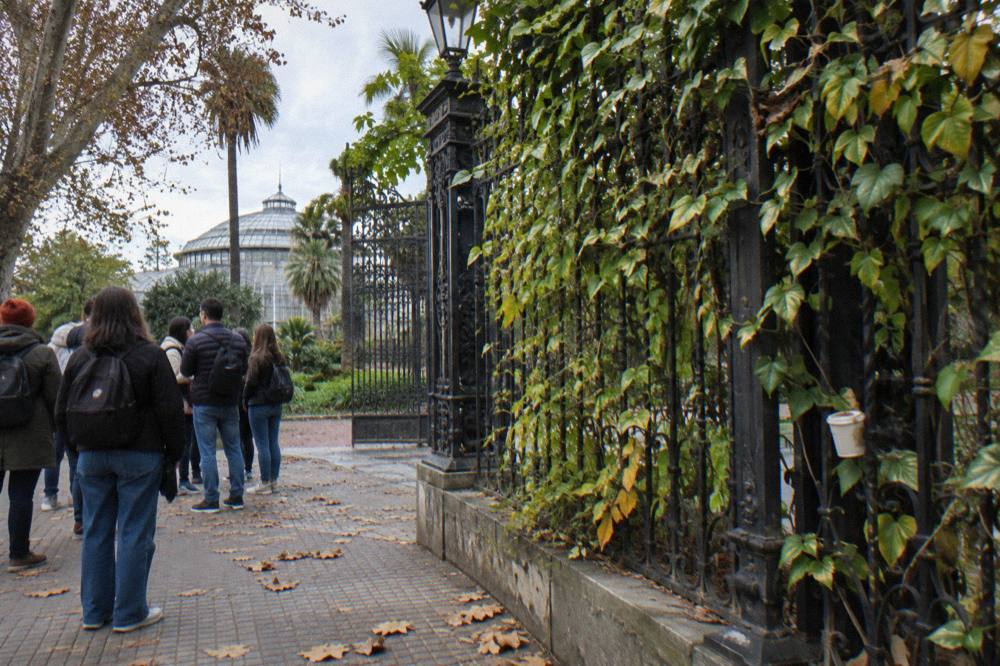
The wider network, when a park day rolls into a city day, is worth knowing in outline. Downtown, the free tour of Buenos Aires: Heart of the City on GuruWalk, 4.84 out of 5 across 1,332 GuruWalk reviews, runs three hours in English and Spanish from the Biblioteca del Congreso. San Telmo, La Boca, Recoleta and Retiro each have their own walk families, on GuruWalk and, for some listings, on freetour.com. How the pay-what-you-want model works in practice, and what people tip, is covered in this site's how free walking tours work in Buenos Aires explainer.
| Walk (all pay what you want) | Platform | Meets at | Duration | Rating and reviews |
|---|---|---|---|---|
| Palermo Parks and Green Spaces | GuruWalk | Jardín Botánico, Avenida Santa Fe | 2 hours | 4.91 out of 5, 53 reviews |
| Palermo Soho Street Art | GuruWalk | Plaza Serrano | 2 hours 30 | 4.91 out of 5, 161 reviews |
| Costanera Sur Nature Walk | GuruWalk | Av. Dr. Tristán Achával Rodríguez | 2 hours 30 | 4.82 out of 5, 44 reviews |
| Free tour of Buenos Aires: Heart of the city | GuruWalk | Biblioteca del Congreso | 3 hours | 4.84 out of 5, 1,332 reviews |
Mistakes That Trip People Up At Buenos Aires Parks And Gardens
The recurring mistakes are paying for the wrong thing and arriving on the wrong day: buying a Jardín Japonés ticket expecting the whole green cluster to need one, turning up at the Botánico or the Reserva on a Monday, assuming the paddle boats are included because the lake is free, and expecting a published schedule for La Glorieta's Sunday tango when only the day itself is confirmed. Each mistake is avoidable with one fact.
The ticket mistake comes from treating Palermo's green spaces as one attraction. They are separate: the Botánico is free for everyone, the Bosques and Rosedal are free, and only the Jardín Japonés charges, ARS 24,000 for non-residents against ARS 8,000 for residents. Decide in advance whether the Japanese garden matters to you, because everything around it costs nothing. This site's free museums guide is the reference for the parallel trap indoors, where free days differ museum by museum.
The Monday mistake is simpler and more common. Two of the headline green spaces, the Jardín Botánico and the Reserva Ecológica, close on Mondays. Visitors who save the parks for a quiet Monday find the two most structured of them shut, while the Bosques themselves, gateless, stay open. Build Monday around the open pieces. The expectations mistake, finally, is about tango: La Glorieta's milonga is confirmed for Sundays, run a la gorra, but no published times exist in any source this site uses, so arrive with a flexible plan and check the organisers' pages rather than a timetable.
Common Questions About Buenos Aires Parks And Gardens
Is the Bosques de Palermo free?
Yes, fully free for everyone. The lawns, lakes, paths and the Rosedal of Parque Tres de Febrero charge no entry and carry no resident condition. The only paid items inside the park are the paddle boats on the lakes, a commercial concession. The nearby Jardín Japonés is separately paid, ARS 24,000 for non-residents.
How much is the Jardín Japonés?
ARS 24,000 for non-residents and ARS 8,000 for residents in November 2026. It is the only paid garden inside the Palermo green cluster; the Jardín Botánico Carlos Thays across Avenida Santa Fe is free for all visitors. Prices move often, so treat the figure as the current price and check the garden's own page.
Is the Jardín Botánico free?
Yes, free for everyone, with no resident condition and no ticket. It closes on Mondays except holidays, one of only two fixed weekly closures among the green spaces in this guide, the other being the Reserva Ecológica Costanera Sur. The Botánico also serves as the meeting point for the Palermo parks free walk on GuruWalk.
When does the Reserva Ecológica Costanera Sur open?
Free entry, Tuesday to Sunday and holidays. In the November to March summer season it runs 8:00 to 19:00; the winter schedule is shorter. It closes Mondays except holidays, plus 1 May, 24 and 25 December, 31 December and 1 January, and during bad weather, so check the city page before a riverfront day.
Can you see tango for free near the parks?
Yes, at La Glorieta de Barrancas de Belgrano, where an open-air milonga runs on Sundays, free to watch or dance and organised a la gorra, meaning performers and organisers work for voluntary tips. Only the Sunday is confirmed; no published schedule exists, so check the organisers' pages. In San Telmo, La Boca-themed walks cover tango history as their subject.
Are there free walking tours of the parks?
Yes. The Palermo Parks and Green Spaces walk on GuruWalk, 4.91 out of 5 across 53 GuruWalk reviews, meets at the Jardín Botánico and runs two hours in English, pay what you want. The Palermo Soho Street Art walk and the Costanera Sur Nature Walk, both also on GuruWalk, cover the neighbourhood's other free angles.